menu
KONKELL CHAINSAW SHARPENER
Page 2 of 5
When to Replace a Chainsaw Chain: Inspect Before Sharpening Maintenance

When to Replace a Chainsaw Chain: Inspect Before Sharpening

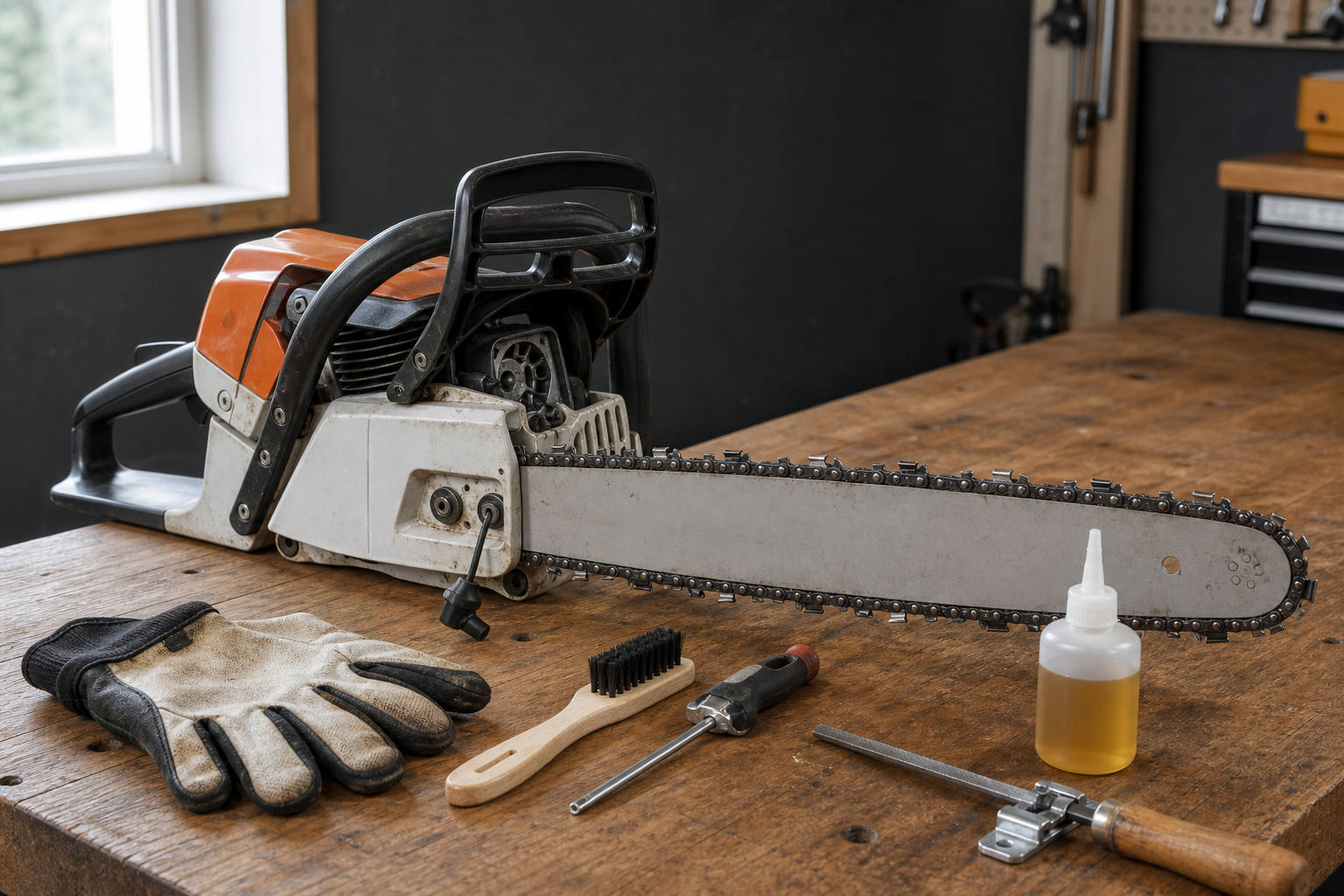
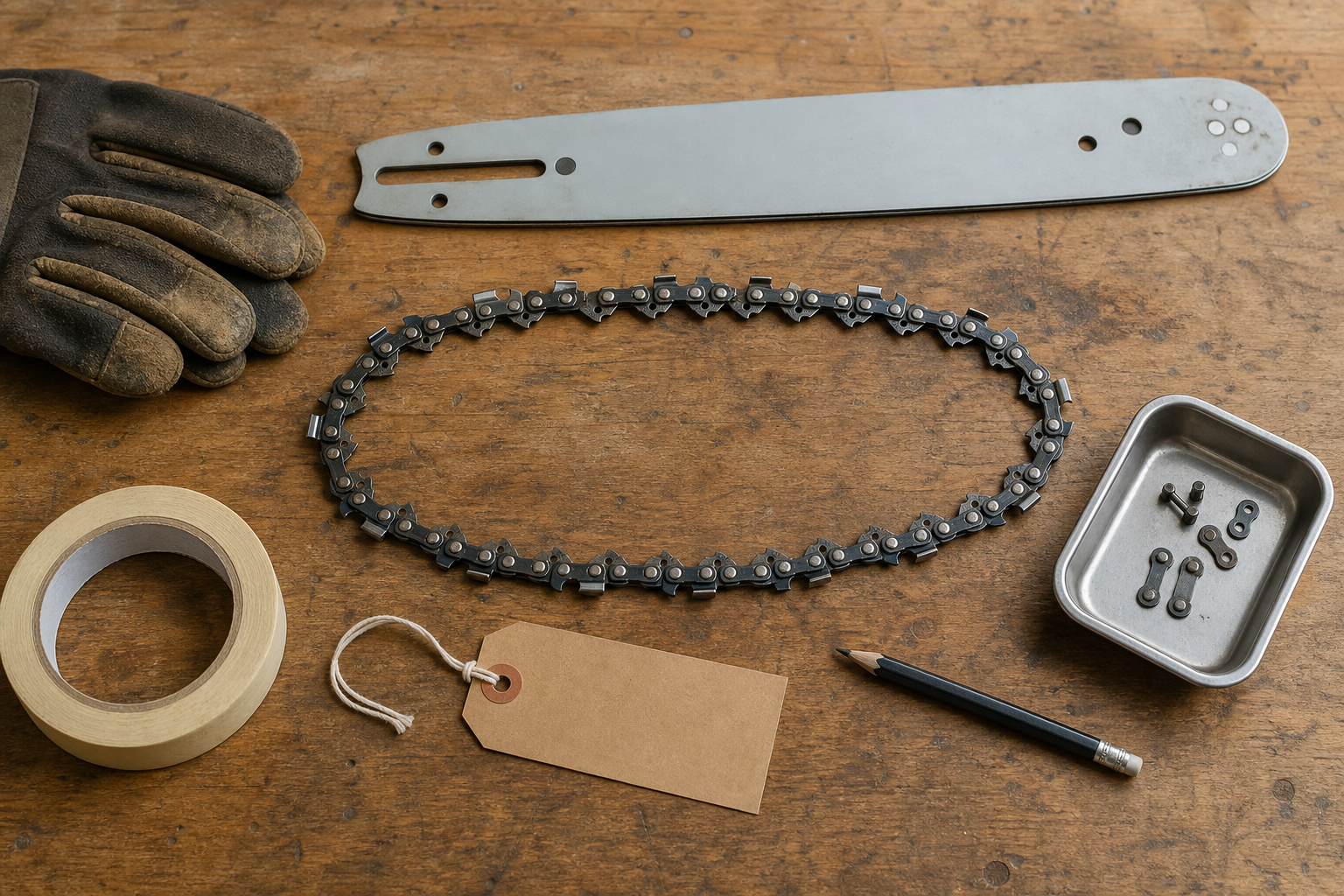
Replace a chainsaw chain when it has a crack, a broken or bent cutter or drive link, missing parts, or wear beyond the chain maker’s service marks. If the loop is intact and the cutters remain serviceable, sharpen it once with the correct equipment, then judge the result before buying a replacement.

Read More arrow_forward
How Tight Should a Chainsaw Chain Be? Check 3 Signs Chainsaw Maintenance

How Tight Should a Chainsaw Chain Be? Check 3 Signs

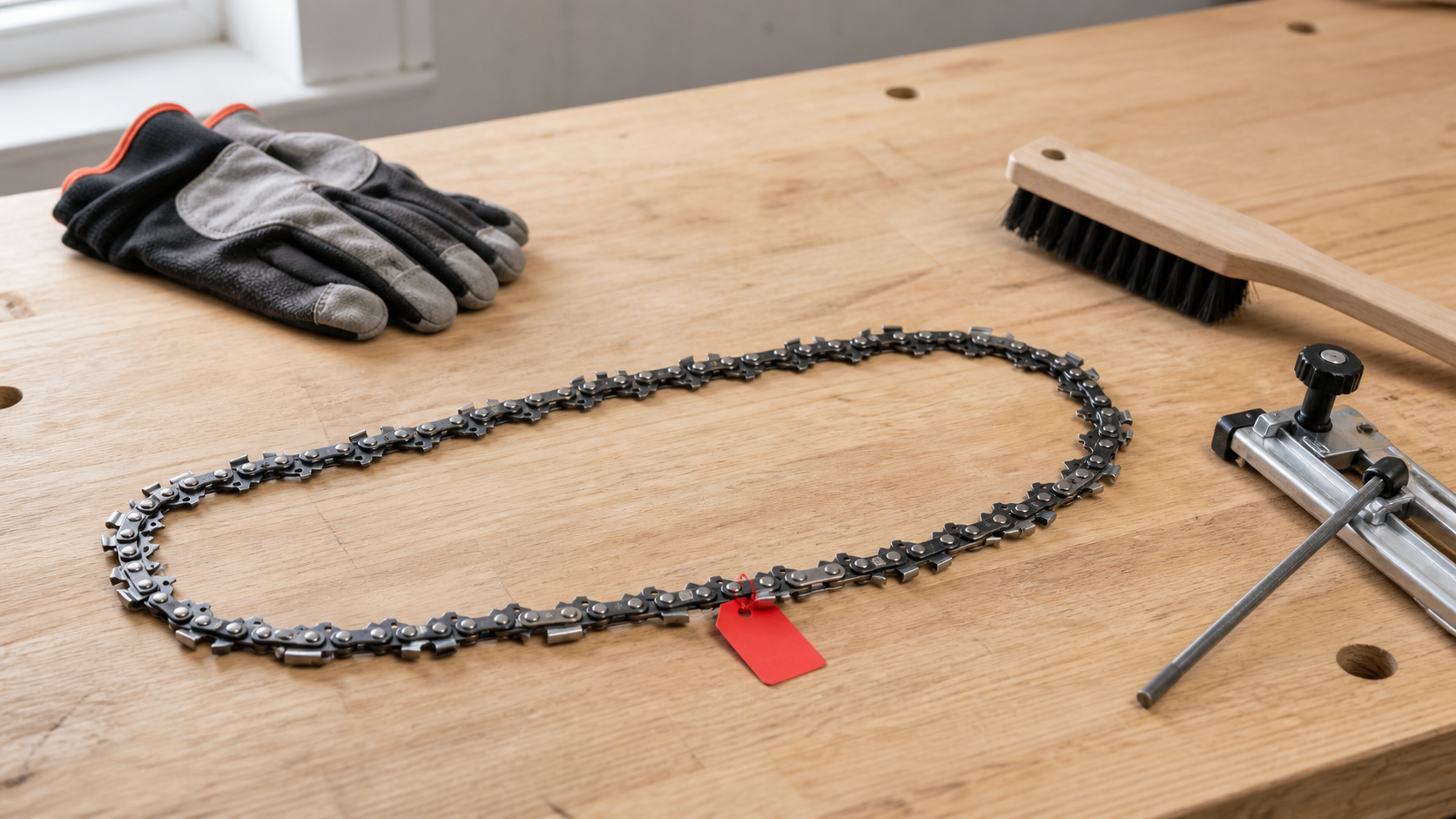
A cold chainsaw chain should sit against the underside of the guide bar without visible sag, move smoothly around the bar when the saw is disabled and the brake is released, and return to the groove after a gentle lift. Those are general checks—not a universal measurement—so use the tensioning sequence and acceptance limits in the manual for your exact saw and cutting attachment.

Read More arrow_forward
Chainsaw Chain Maintenance Checklist: Inspect in Order Maintenance

Chainsaw Chain Maintenance Checklist: Inspect in Order

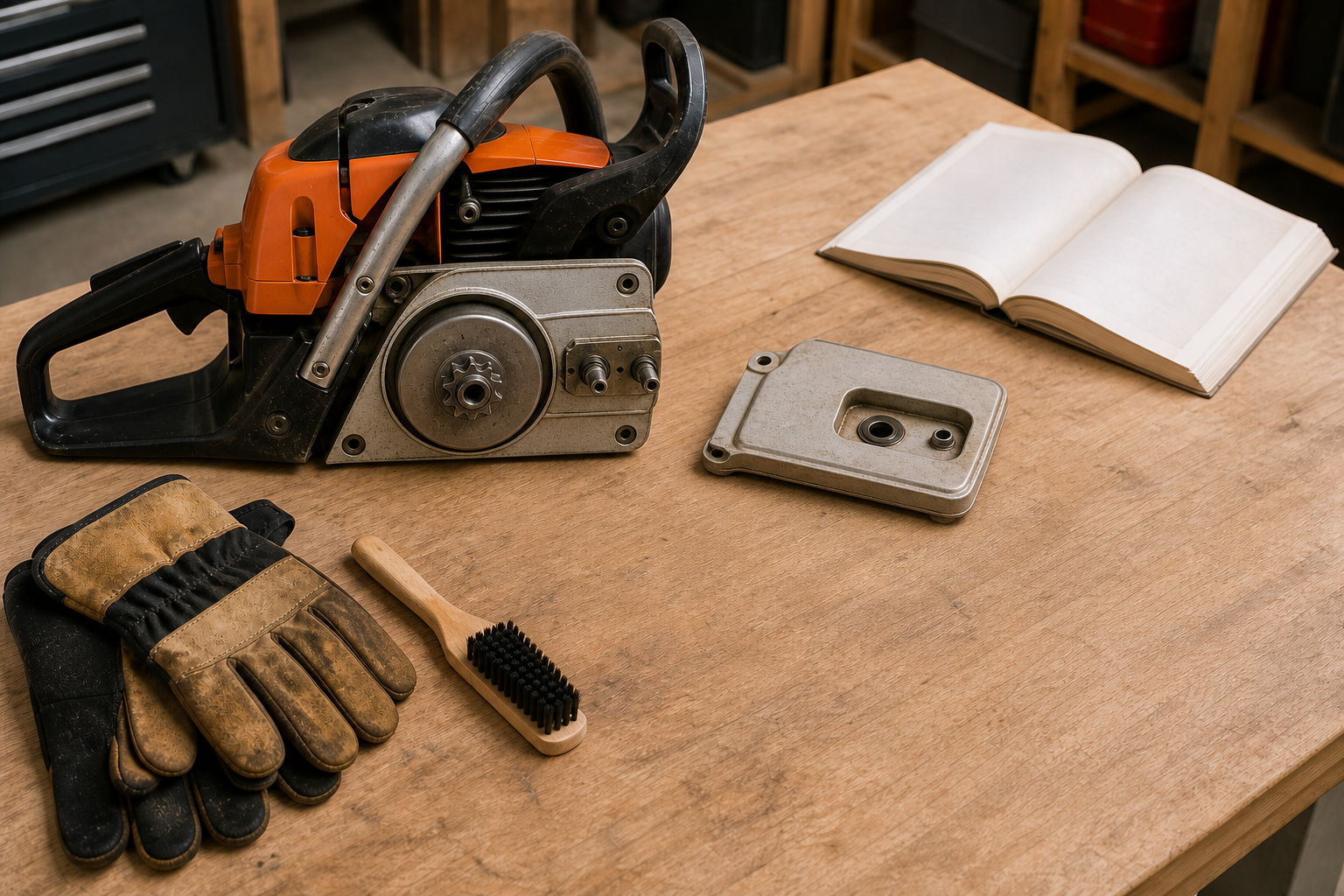
A useful chainsaw chain maintenance checklist starts with damage, then moves through cleaning, lubrication, tension, and sharpness. Do not sharpen first: a cracked component, damaged drive link, blocked oil path, or worn neighboring part needs a different response. Make the saw unable to start Let the saw cool and follow its manual before removing a cover, bar, or chain. Disconnect a corded saw, remove the battery from a battery saw, or use the petrol-saw isolation procedure specified by its manufacturer. Wear suitable gloves when handling the chain.

Read More arrow_forward
Chainsaw Sprocket Wear: Inspect Before Replacing Chainsaw Maintenance

Chainsaw Sprocket Wear: Inspect Before Replacing

Chainsaw sprocket wear is a replacement concern when the cleaned drive surface has excessive grooves, damaged or distorted teeth, or wear beyond the limit in the saw manual. Inspect the chain’s drive links and the rest of the cutting attachment at the same time, because recurring slack or rough travel does not identify the sprocket by itself.

Read More arrow_forward
How to Choose a Chainsaw Sharpener That Fits Your Chain Buyer Guides

How to Choose a Chainsaw Sharpener That Fits Your Chain

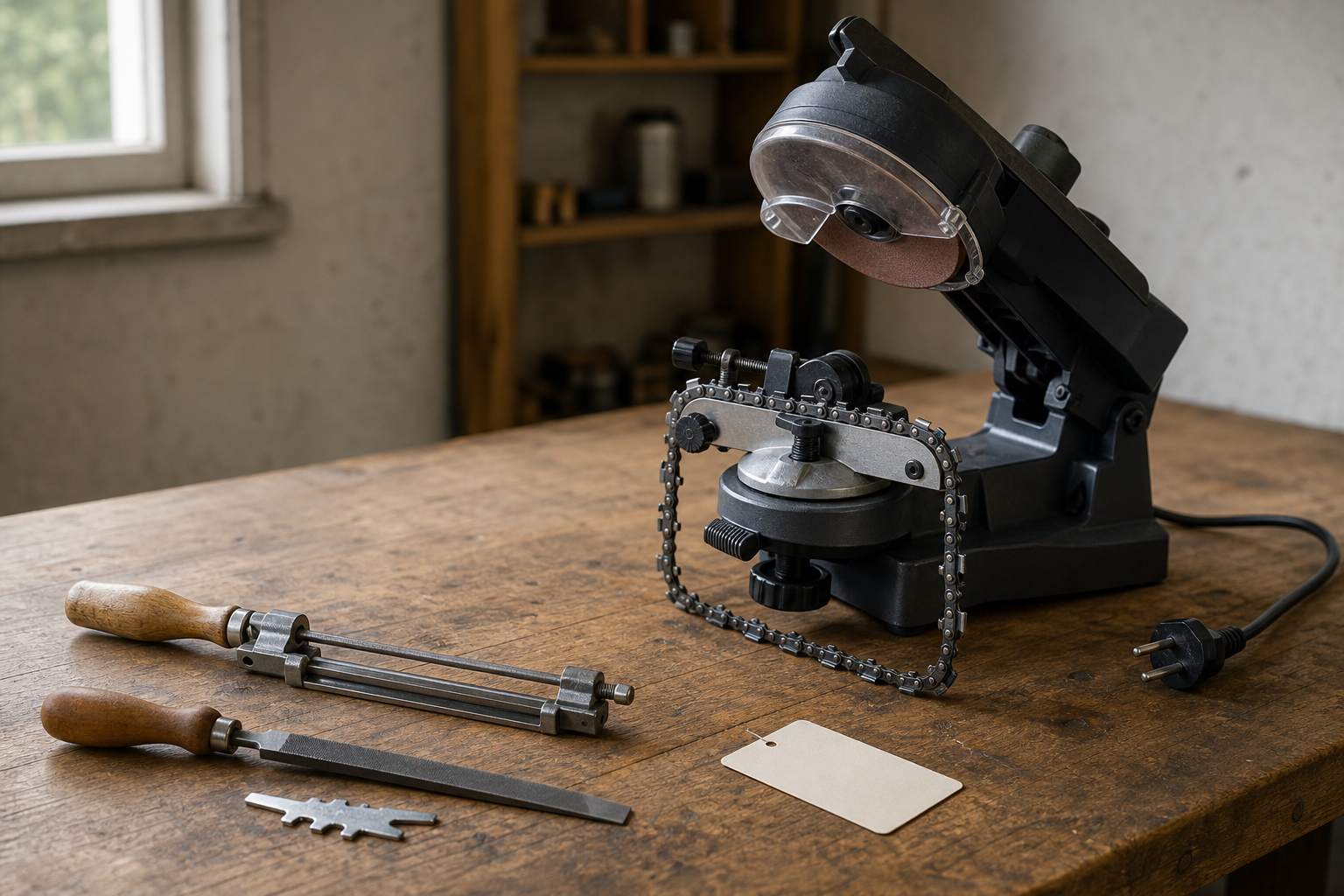
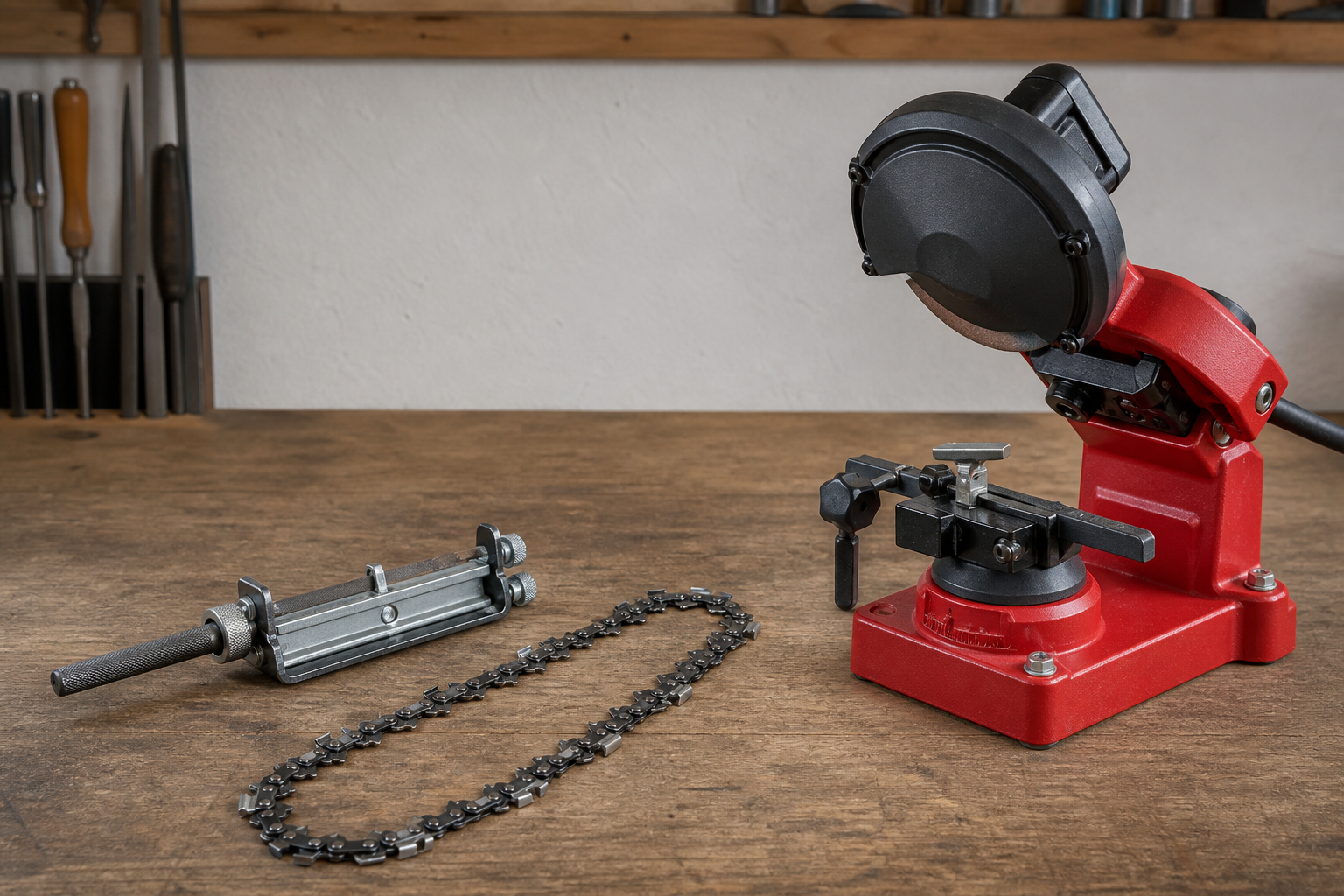
Choose a chainsaw sharpener by matching it to your exact chain first, then to where and how often you sharpen. A guided file suits occasional touch-ups; a mounted electric grinder earns its bench space when you maintain several removable chains or need a repeatable setup after heavier damage. Make a chain card before comparing tools A sharpener listing is not enough to establish a match. Record the evidence you can verify from the chain package, bar markings, saw manual, or chain manufacturer’s lookup:

Read More arrow_forward
Chainsaw Starts Then Dies? Record the Pattern Before Repair Chainsaw Maintenance

Chainsaw Starts Then Dies? Record the Pattern Before Repair

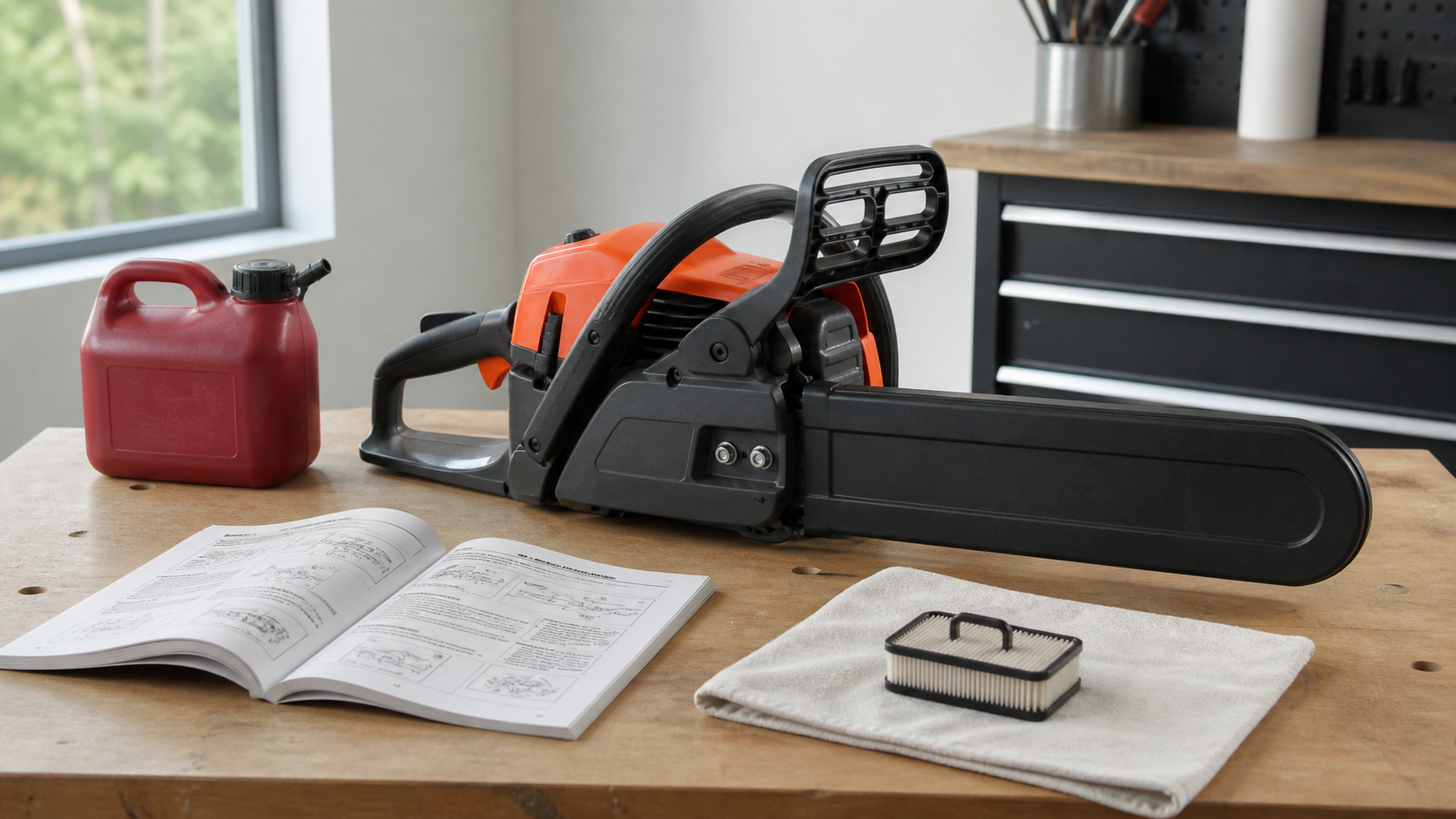
A petrol chainsaw that starts then dies usually needs its fuel, starting procedure, air path, or fuel-delivery system checked—not another round of random carburetor adjustments. Stop repeated starts, use the exact operator manual, and record when the engine stops; that pattern tells you which owner-level check is worth making. First, make the saw safe to inspect Let the engine cool. Engage the chain brake, switch the saw off, and work outdoors or in a well-ventilated place away from ignition sources. Fit the bar cover whenever you are not checking the cutting attachment.

Read More arrow_forward
Chainsaw Spare Chain Checklist: Record the Fit Before You Buy Ownership

Chainsaw Spare Chain Checklist: Record the Fit Before You Buy

Before buying a spare chainsaw chain, record the pitch, drive-link gauge, drive-link count, and the approved chain family for the exact saw-and-bar combination. Bar length or saw model alone is not enough to confirm fit. The useful outcome is not “a chain that looks close.” It is a short record you can take to a dealer, use in a manufacturer parts lookup, and attach to the spare loop after purchase.

Read More arrow_forward
Electric Chainsaw Sharpener vs File: Choose by Workload and Damage Buyer Guides

Electric Chainsaw Sharpener vs File: Choose by Workload and Damage

Choose a hand file for portable touch-ups and a bench electric sharpener when several removable chains or uneven cutters justify a fixed, repeatable setup. Neither method identifies the chain, chooses its specification, checks depth gauges, or decides whether a damaged chain should be replaced for you. Start with the jobs you actually have Don’t compare motor power with the price of one file. Write down the next three likely sharpening jobs: where they will happen, how many chains will be waiting, and whether the cutters need a light edge touch-up or correction after contact with soil or another abrasive material.

Read More arrow_forward
Chainsaw Bar and Chain Maintenance: Clean, Inspect, Decide Chainsaw Maintenance

Chainsaw Bar and Chain Maintenance: Clean, Inspect, Decide

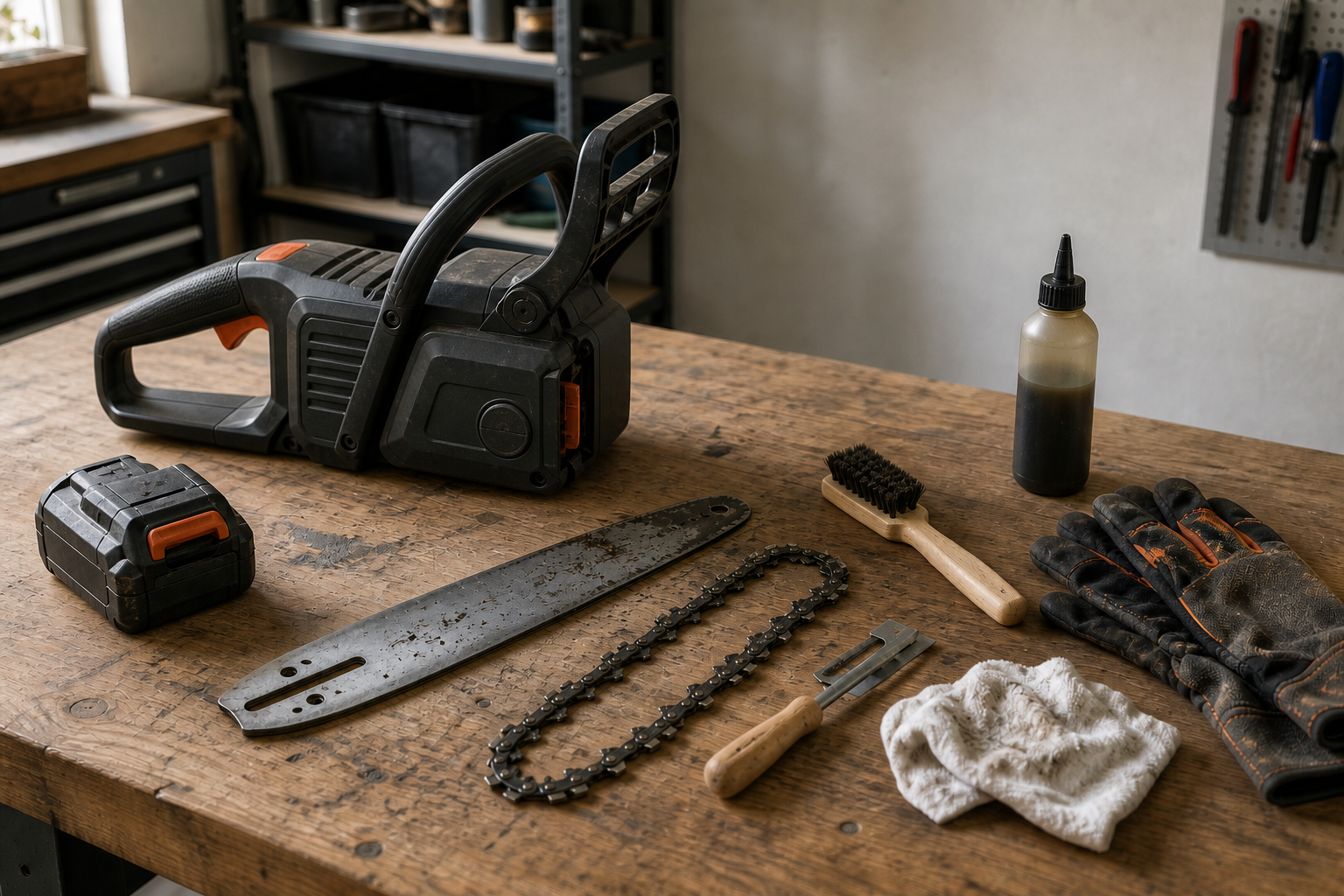
Chainsaw bar and chain maintenance starts by making the saw unable to start, removing the cutting attachment as its manual directs, and cleaning until the wear surfaces are visible. Then use what the clean parts show to choose one action: reassemble, correct lubrication or tension, sharpen a serviceable chain, replace a worn part, or arrange service. Start with an inspection, not a running test Let the saw cool. Follow its manual to prevent an accidental start: that usually means removing the battery, unplugging the cord, or using the gasoline model’s specified shutdown procedure. Engage the chain brake where the manual calls for it, wear gloves when handling the cutters, and remove the bar and chain only by the model-specific method.

Read More arrow_forward
home Home shopping_cart Shop menu_book Guides construction Tools person Account