menu
KONKELL CHAINSAW SHARPENER
Category Archive

Petrol Chainsaw

How to Clean a Chainsaw Air Filter Without Guessing

How to Clean a Chainsaw Air Filter Without Guessing

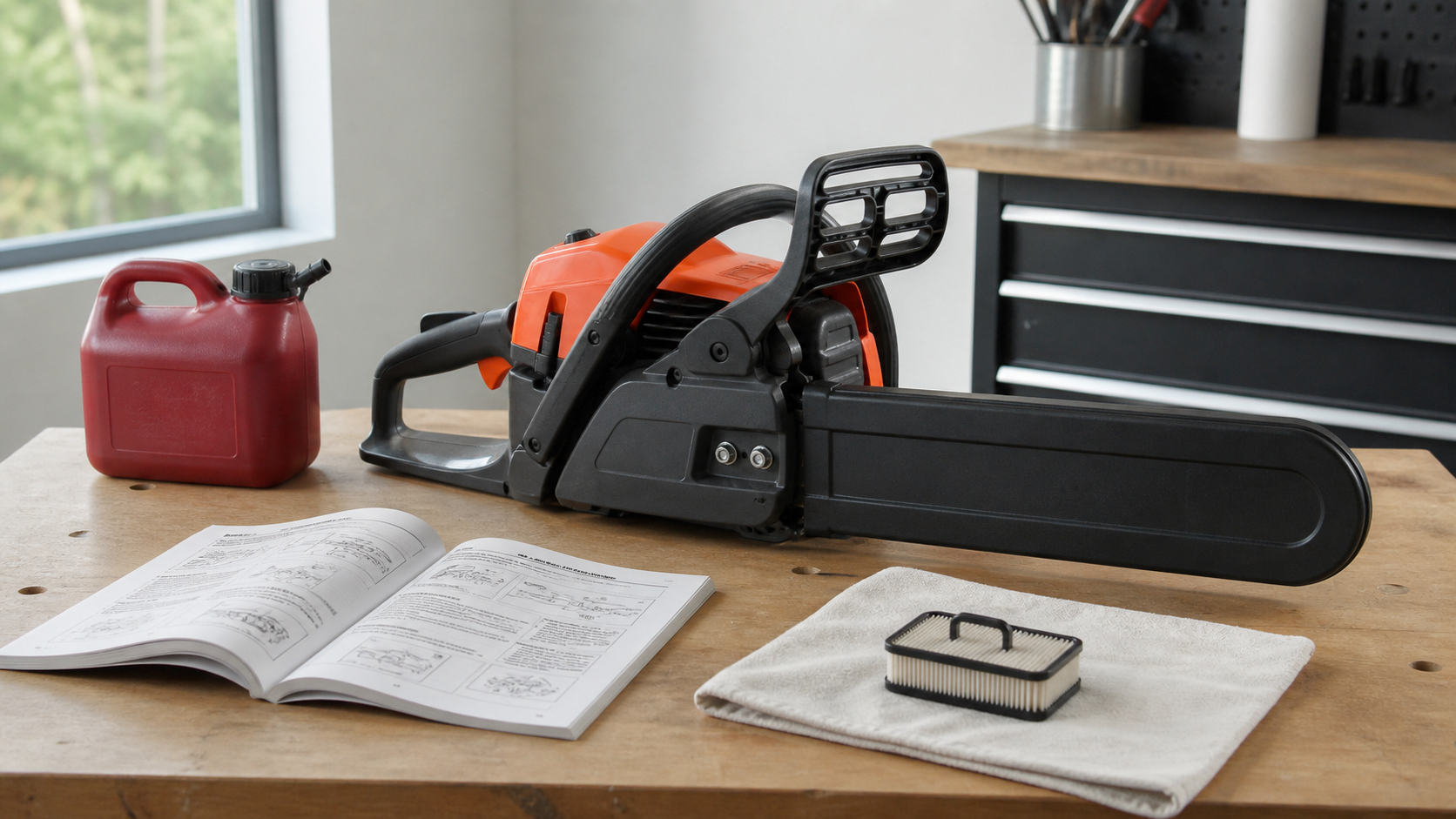
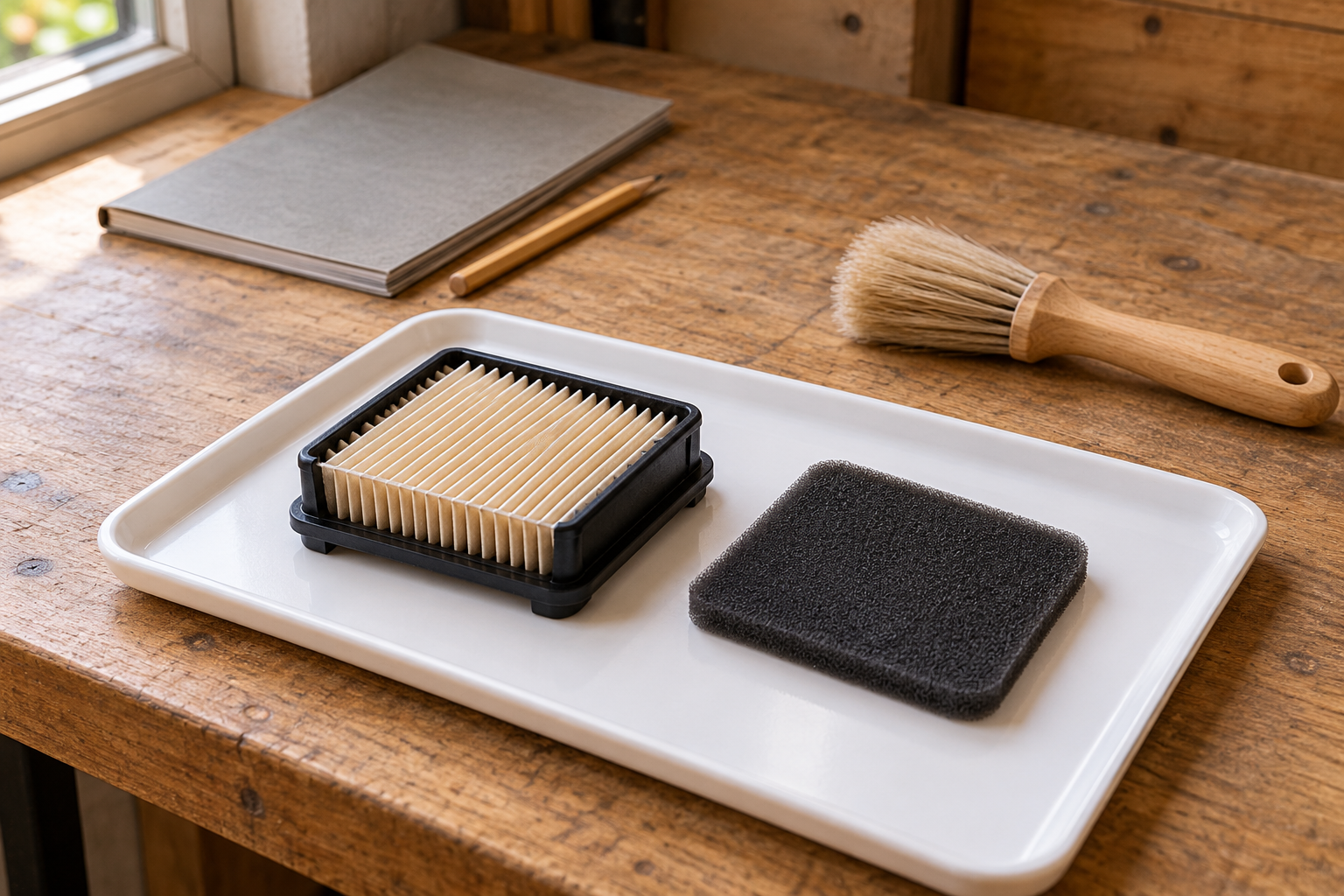
To clean a chainsaw air filter, stop and cool the saw, clean loose debris from the closed cover, then remove and service the filter only by the method in that model’s manual. Replace damaged or persistently blocked filters; if the element’s identity is uncertain, identify it before choosing a cleaning method or replacement. The important decision comes before the washing or brushing. Chainsaw filters use different materials and constructions, and manufacturer instructions do not prescribe one universal cleaner, pressure, or treatment.

Read More arrow_forward
Chainsaw Carburetor Adjustment: Read the Manual First

Chainsaw Carburetor Adjustment: Read the Manual First

Before adjusting a chainsaw carburetor, find the exact model manual and establish what it permits. A visible adjustment screw, a generic H/L/T chart, or a running symptom does not prove that your saw accepts the same procedure as another model. This is a decision guide for a petrol saw that is switched off and cool while you identify the model and record the symptom. It does not give a universal mixture-screw setting, bypass limiter caps, prescribe a tachometer value, or replace the manufacturer’s specified service route.

Read More arrow_forward
Chainsaw Stop Switch Not Working? Take It Out of Service

Chainsaw Stop Switch Not Working? Take It Out of Service

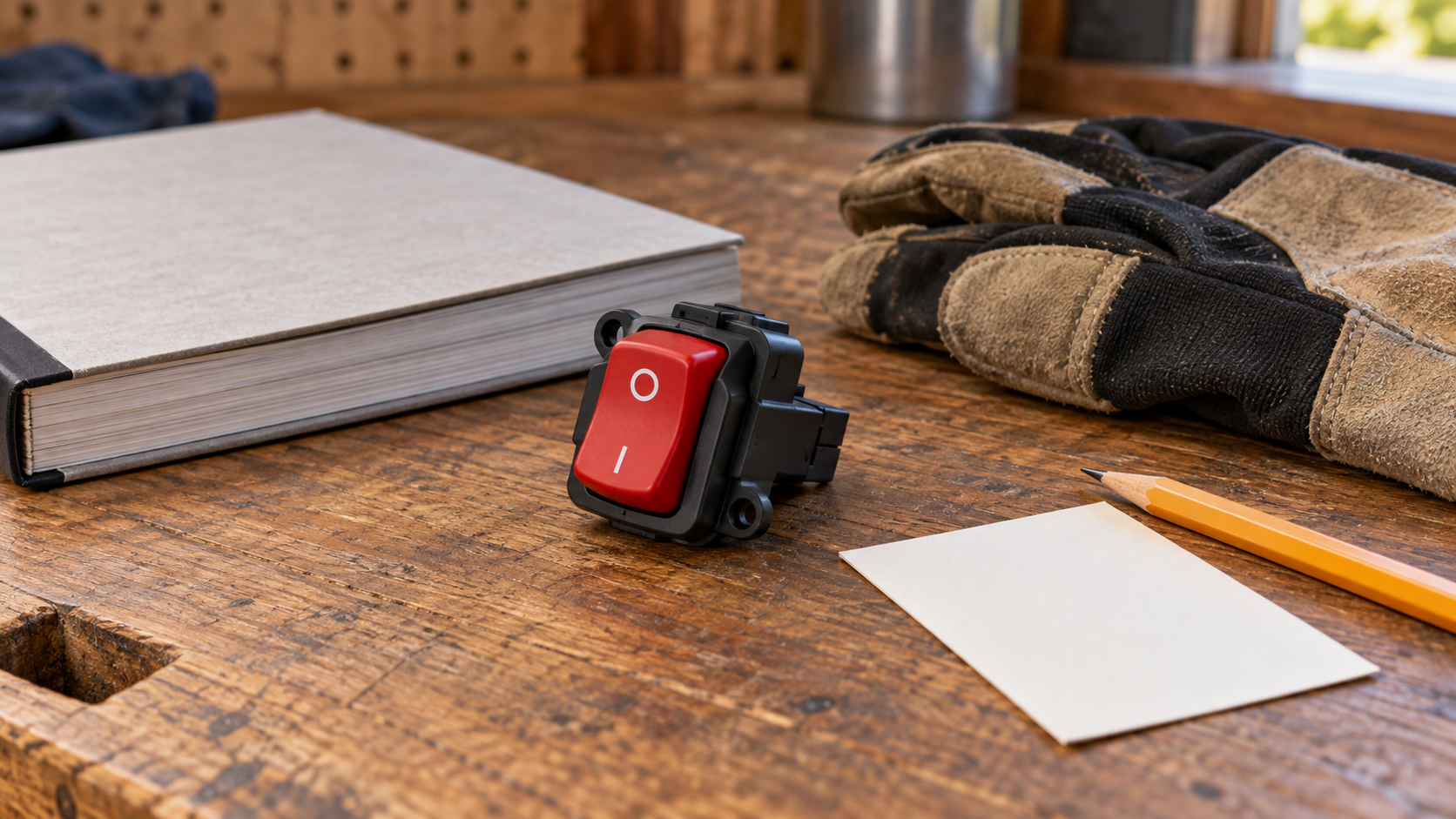
If a petrol chainsaw keeps running after you use its designated stop control as the exact manual directs, take it out of service. Do not try to prove that it will stop next time, and do not borrow a shutdown or repair method from a different saw. That is a control-safety fault, not a sharpening, chain-brake, fuel, or throttle-tuning problem. A stopped chain is not the same result as a stopped engine, and a familiar-looking control is not proof that two models share a safe procedure.

Read More arrow_forward
Chainsaw Fuel Filter Replacement: Check the Line First

Chainsaw Fuel Filter Replacement: Check the Line First

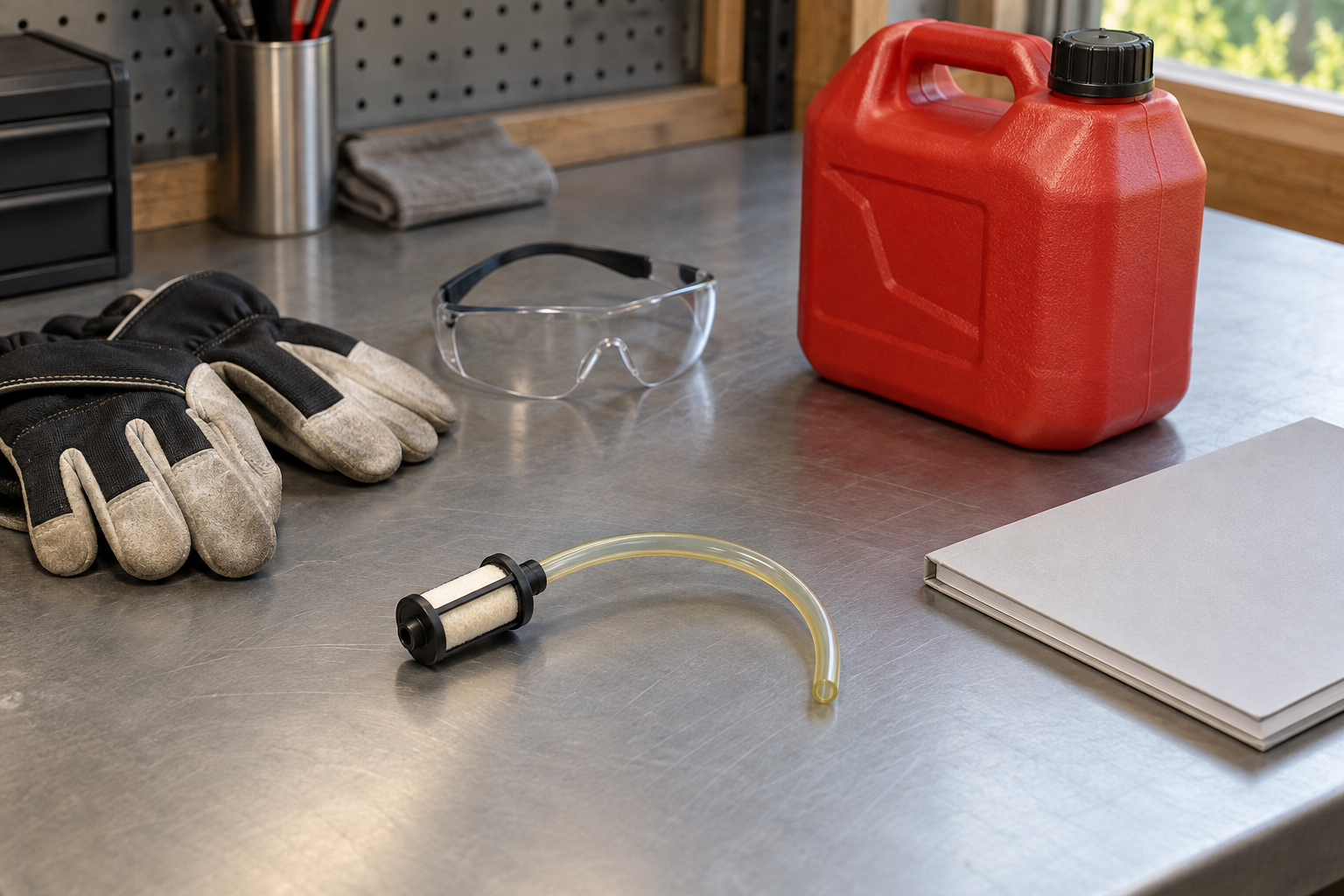
Replace a chainsaw fuel filter only when the exact operator manual shows that filter and you have the correct replacement part. Before you start, keep the saw cool and off, deal with fuel as the manual requires, and stop if the line is cracked, brittle, loose, or not clearly documented.

Read More arrow_forward
Chainsaw Spark Arrestor Screen: Check the Manual First

Chainsaw Spark Arrestor Screen: Check the Manual First

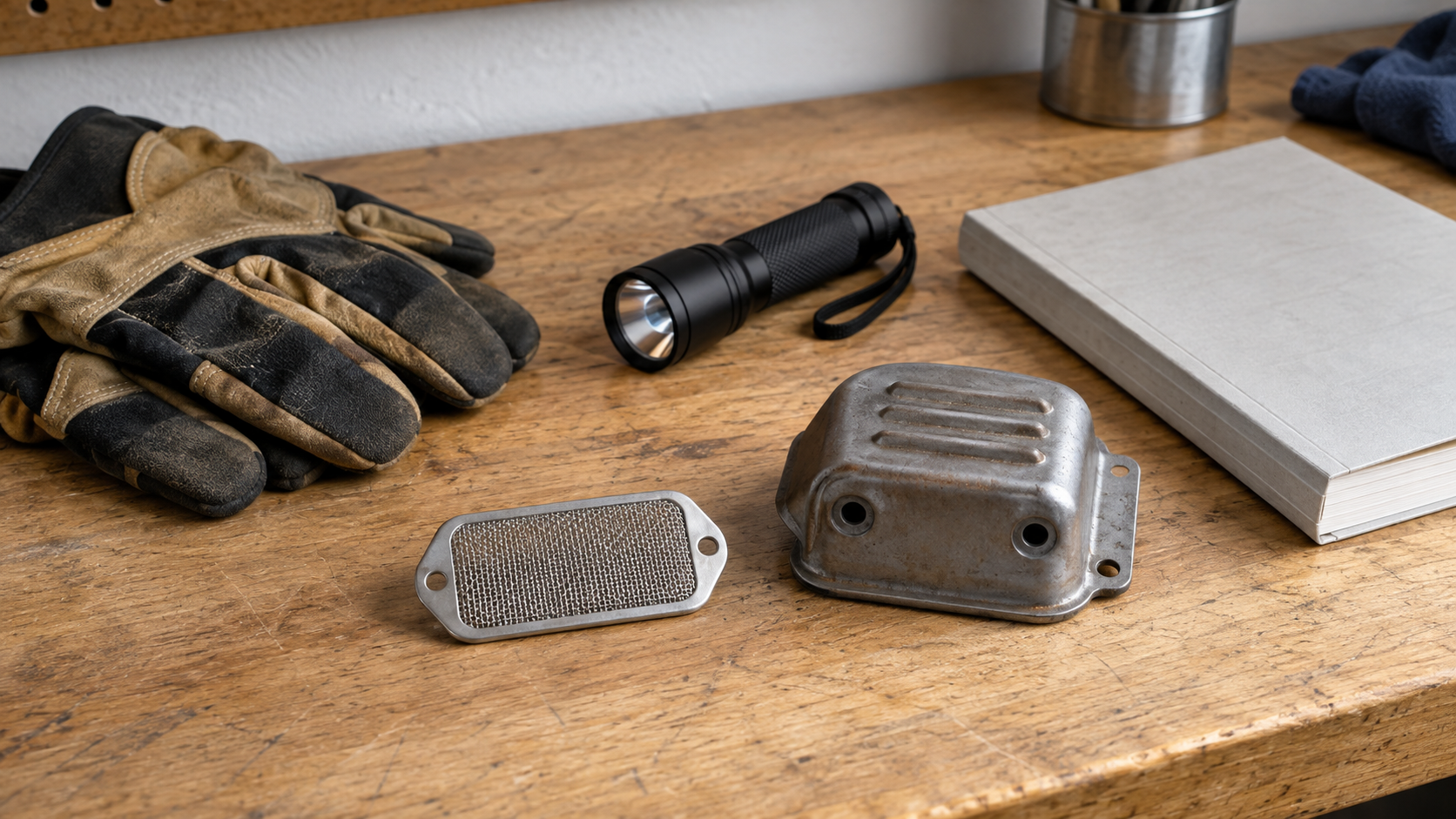
A chainsaw spark arrestor screen is a small mesh part in the muffler on some petrol saws; the exact manual decides whether your saw has one and whether its access is owner maintenance. Let the saw cool, confirm the model documentation, and stop at the manual or service route if the screen is not documented, cannot be identified, or is damaged.

Read More arrow_forward
Chainsaw Decompression Valve: What the Button Does

Chainsaw Decompression Valve: What the Button Does

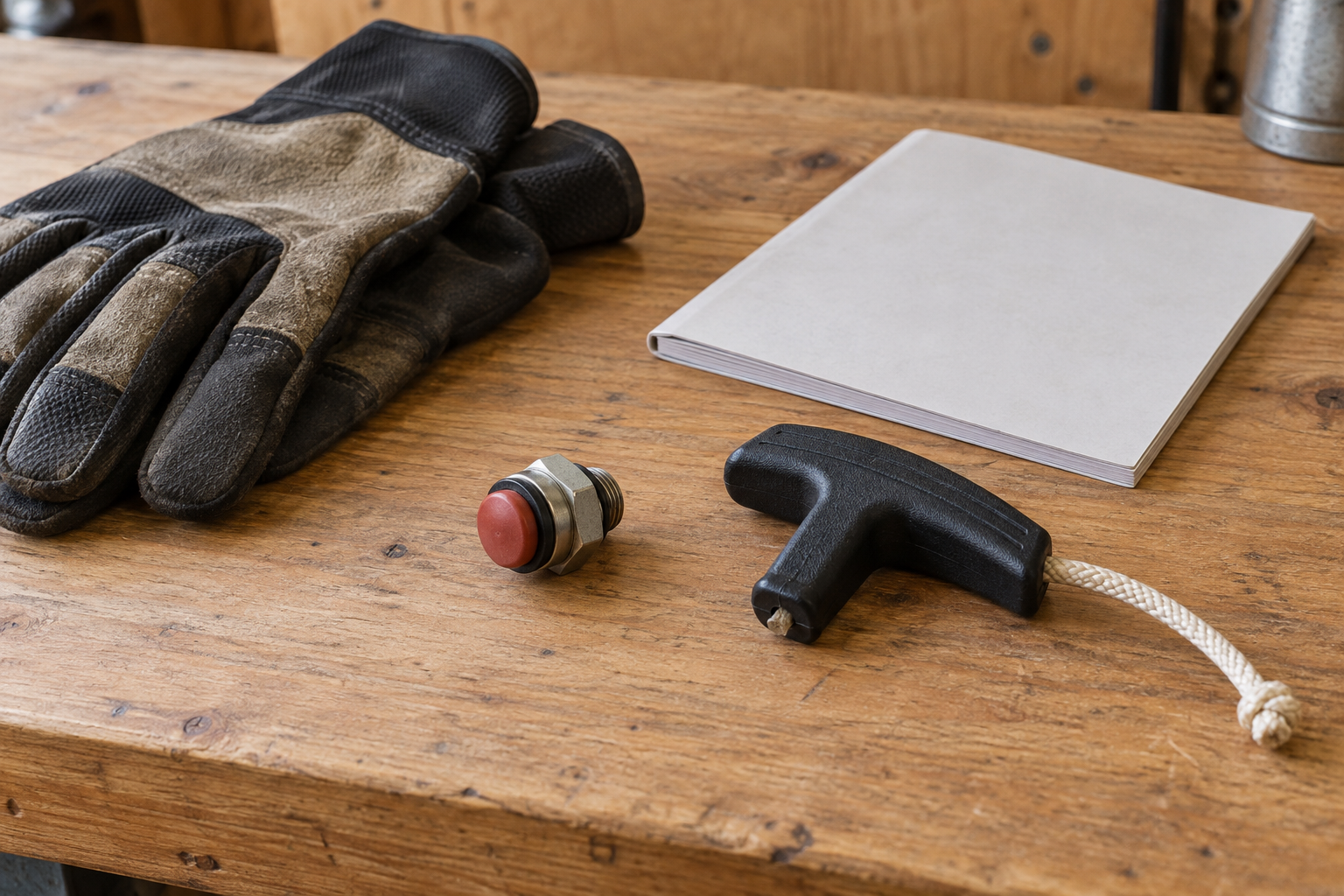
A chainsaw decompression valve reduces peak cylinder pressure during starting, so the starter rope is easier to pull. Use it only if the exact petrol-saw manual shows that your model has one; it is a starting aid, not a choke, fuel pump, or repair control. On the Husqvarna and STIHL examples cited below, the owner opens the control before a start attempt and it closes automatically after the engine fires. Designs differ, so the model manual—not the appearance of a nearby button—decides whether it applies and how it fits into the start sequence.

Read More arrow_forward
Chainsaw Overheating? Find the Heat Before Repair

Chainsaw Overheating? Find the Heat Before Repair

If a petrol chainsaw overheats or smokes, stop cutting, let it cool, and first locate the heat: at the engine and cooling-air path, or at the chain and guide bar. That observation determines the safe next check; it does not prove a fuel, carburetor, exhaust, or ignition fault. Illustrative preparation scene. Cover fasteners, cleaning access and service limits must come from the exact saw manual.

Read More arrow_forward
Chainsaw Starter Rope Won’t Pull? Stop Before Forcing It

Chainsaw Starter Rope Won’t Pull? Stop Before Forcing It

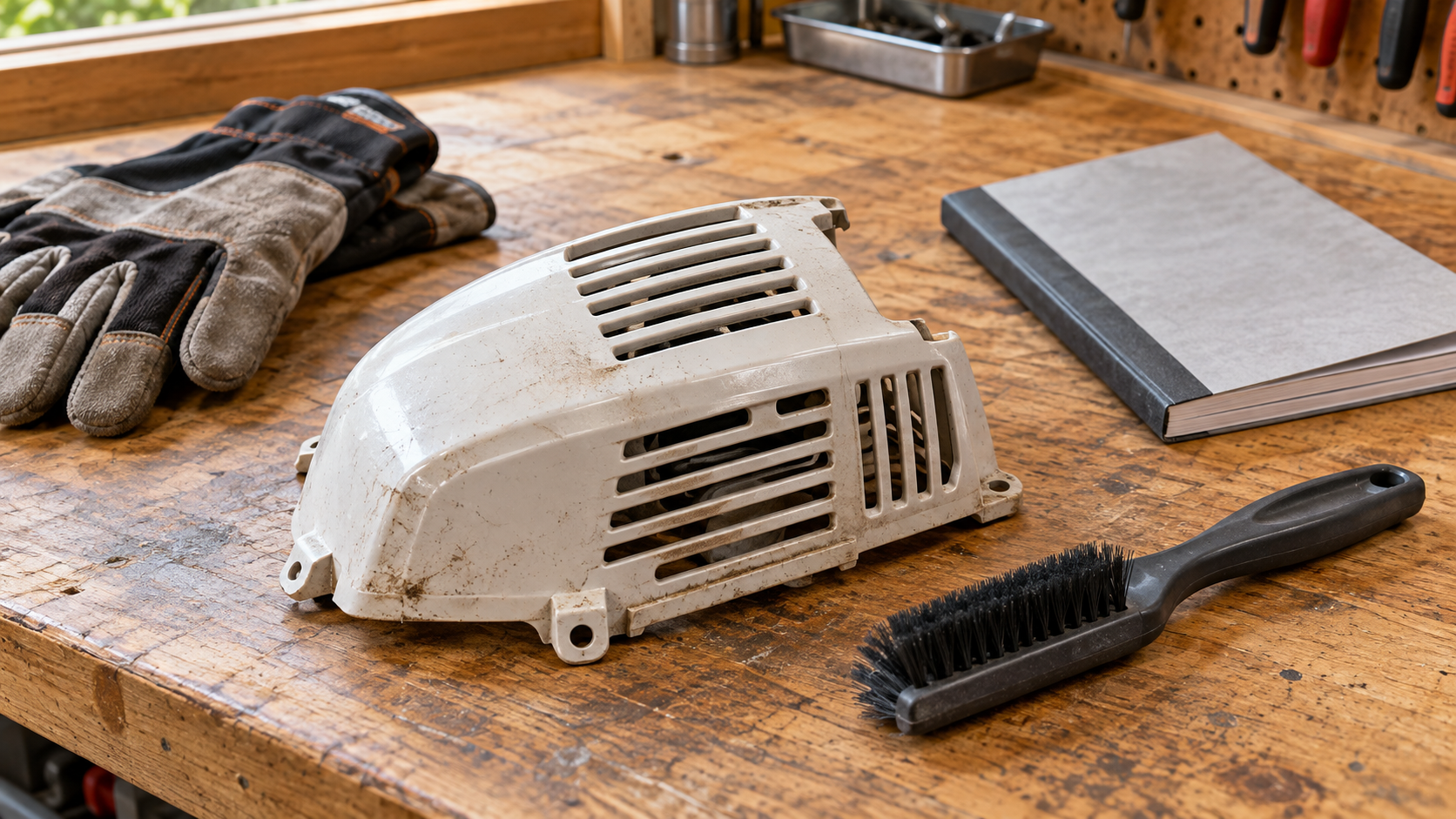
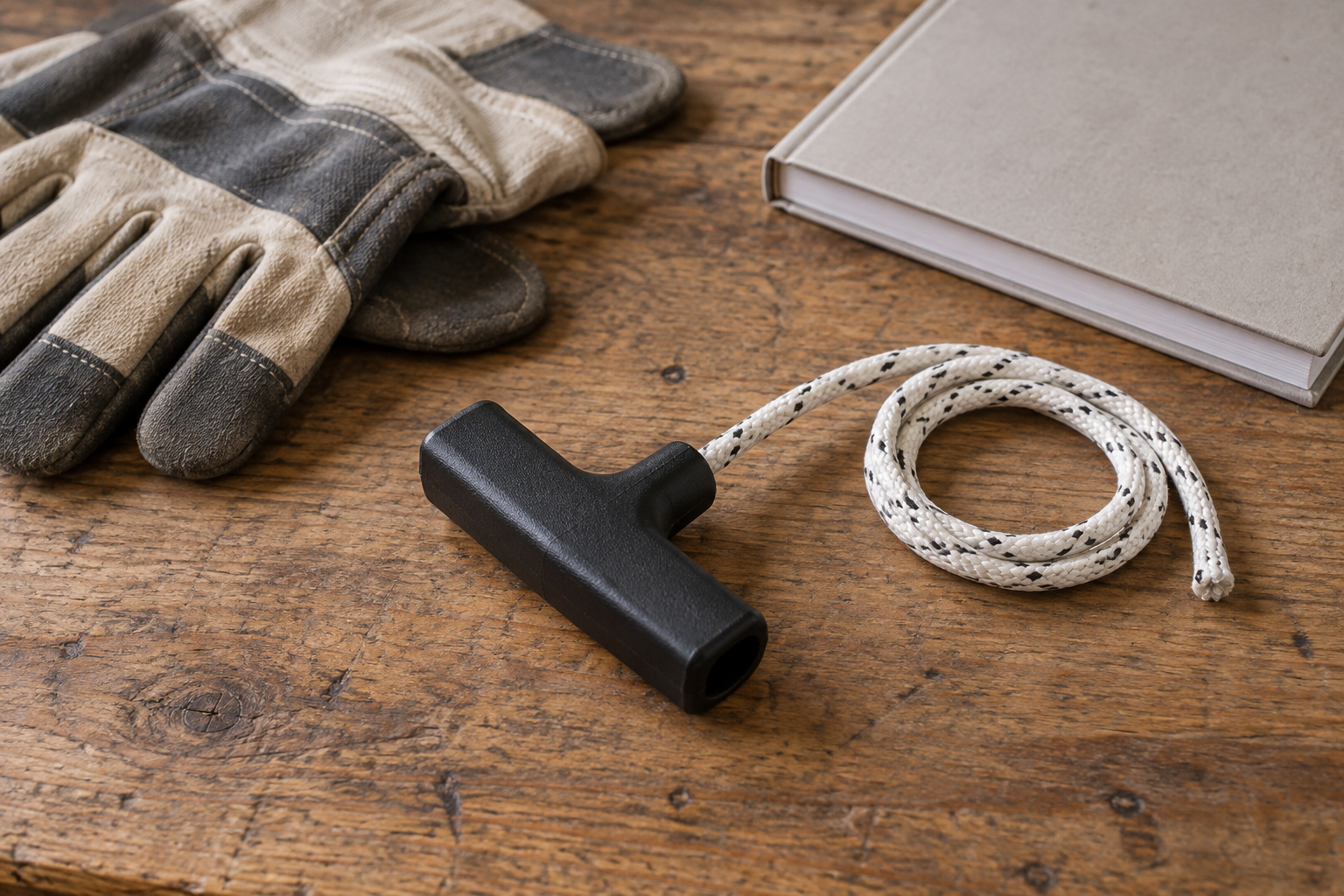
If a chainsaw starter rope will not pull, stops partway, or will not retract, do not force it. First distinguish the normal resistance described in the starting instructions from a changed rope path, visible rope damage, or a starter fault that needs the exact manual or a service provider. This guide is for a petrol saw that is switched off and cool. It does not give a generic recoil-spring, pulley, cylinder, or starter-cover repair procedure; those details and their safe limits vary by model.

Read More arrow_forward
Chainsaw Spark Plug Check: Inspect, Measure, Refit

Chainsaw Spark Plug Check: Inspect, Measure, Refit

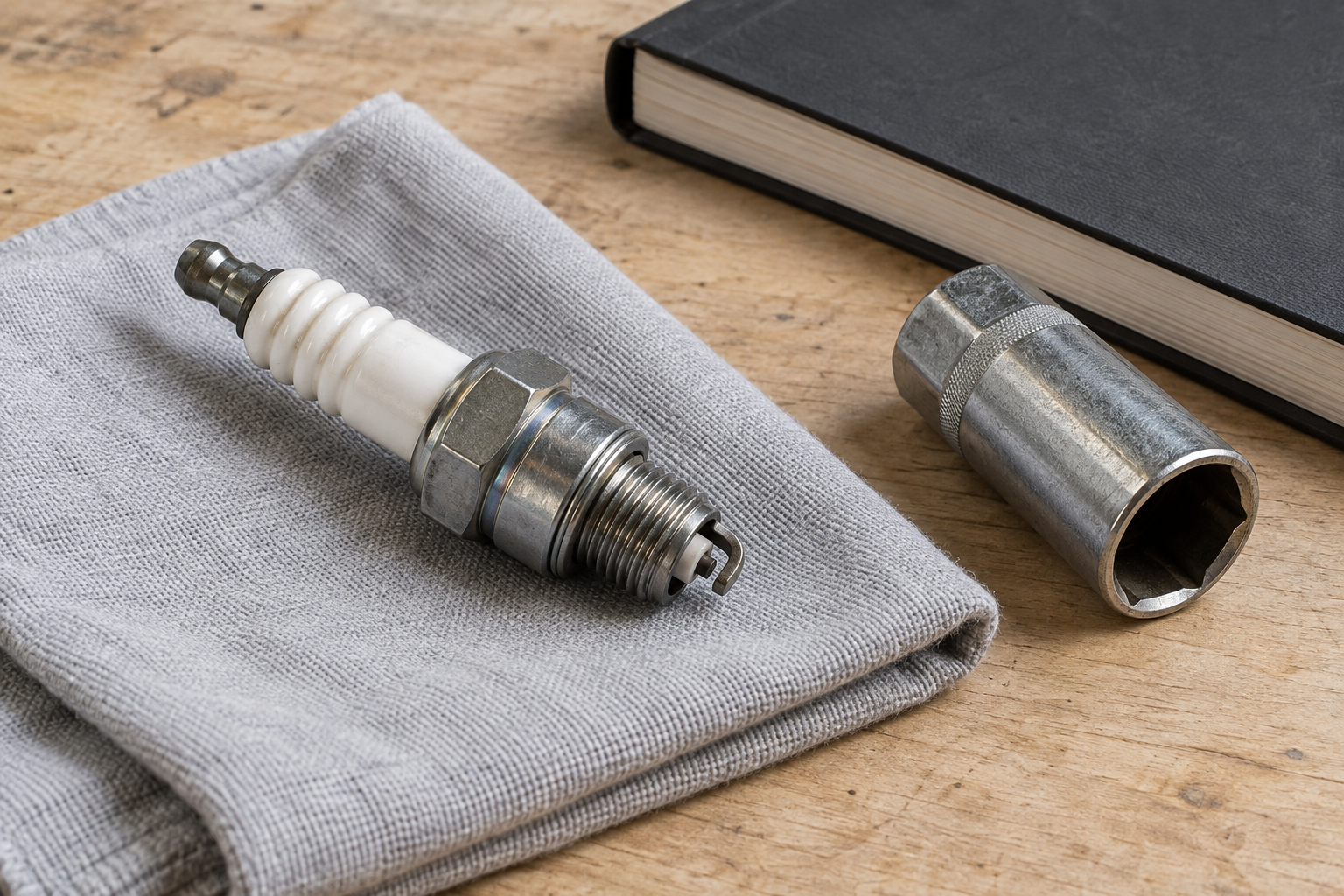
To check a chainsaw spark plug, stop and cool the engine, disconnect the plug lead as the manual directs, then inspect the removed plug and measure its electrode gap against the model’s specification. Replace a damaged or worn plug with the specified type; an intact plug may be cleaned by the approved method, but its appearance alone does not establish that the ignition system works. This is an owner-maintenance inspection for a petrol saw. It does not involve cranking the engine with an exposed plug or opening the ignition system. The procedure and limits below draw on manufacturer guidance and the manuals listed at the end.

Read More arrow_forward
Chainsaw Starts Then Dies? Record the Pattern Before Repair

Chainsaw Starts Then Dies? Record the Pattern Before Repair

A petrol chainsaw that starts then dies usually needs its fuel, starting procedure, air path, or fuel-delivery system checked—not another round of random carburetor adjustments. Stop repeated starts, use the exact operator manual, and record when the engine stops; that pattern tells you which owner-level check is worth making. First, make the saw safe to inspect Let the engine cool. Engage the chain brake, switch the saw off, and work outdoors or in a well-ventilated place away from ignition sources. Fit the bar cover whenever you are not checking the cutting attachment.

Read More arrow_forward
home Home shopping_cart Shop menu_book Guides construction Tools person Account