menu
KONKELL CHAINSAW SHARPENER
Category Archive

Chainsaw Troubleshooting

Chainsaw Carburetor Adjustment: Read the Manual First

Chainsaw Carburetor Adjustment: Read the Manual First

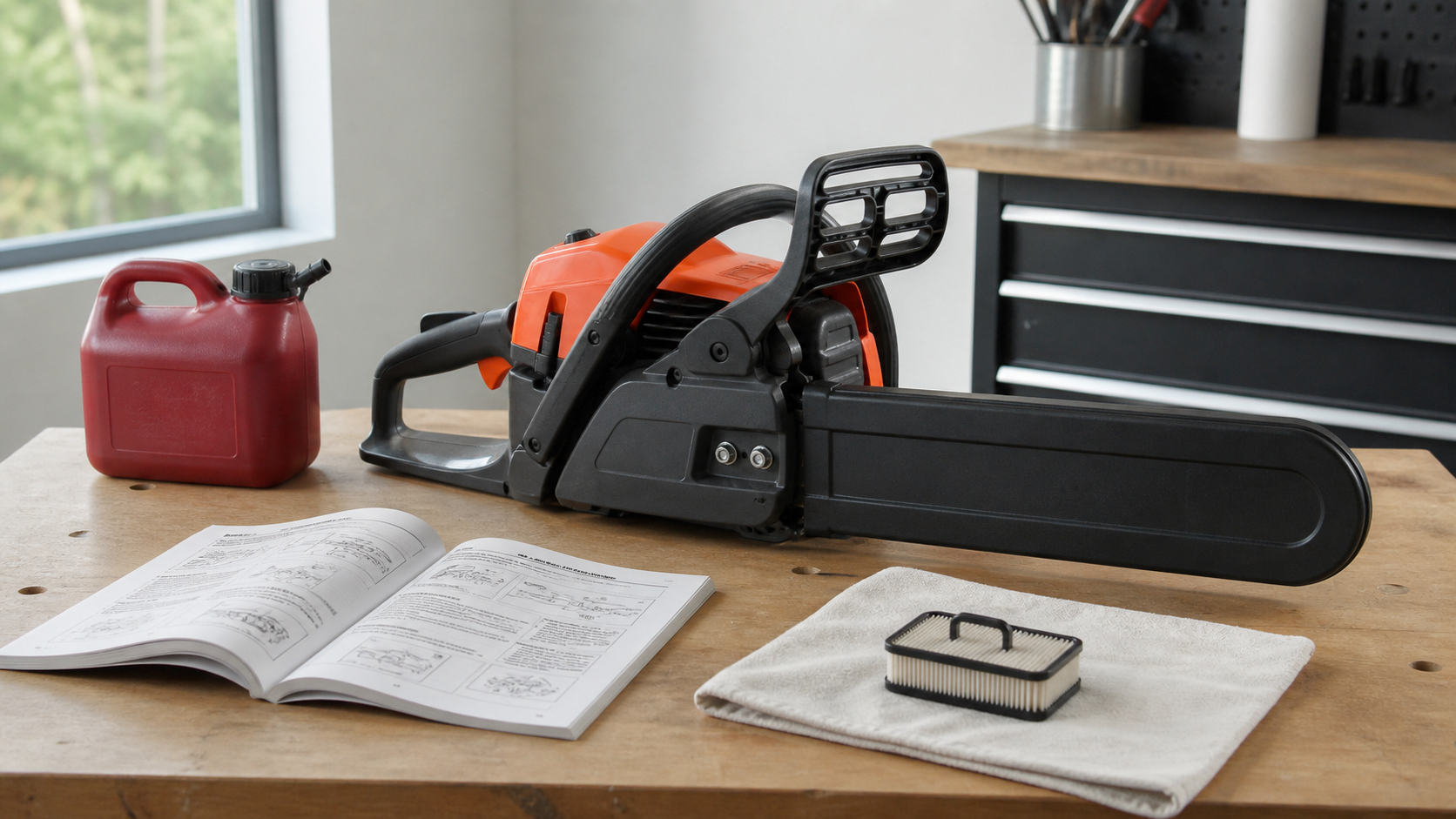
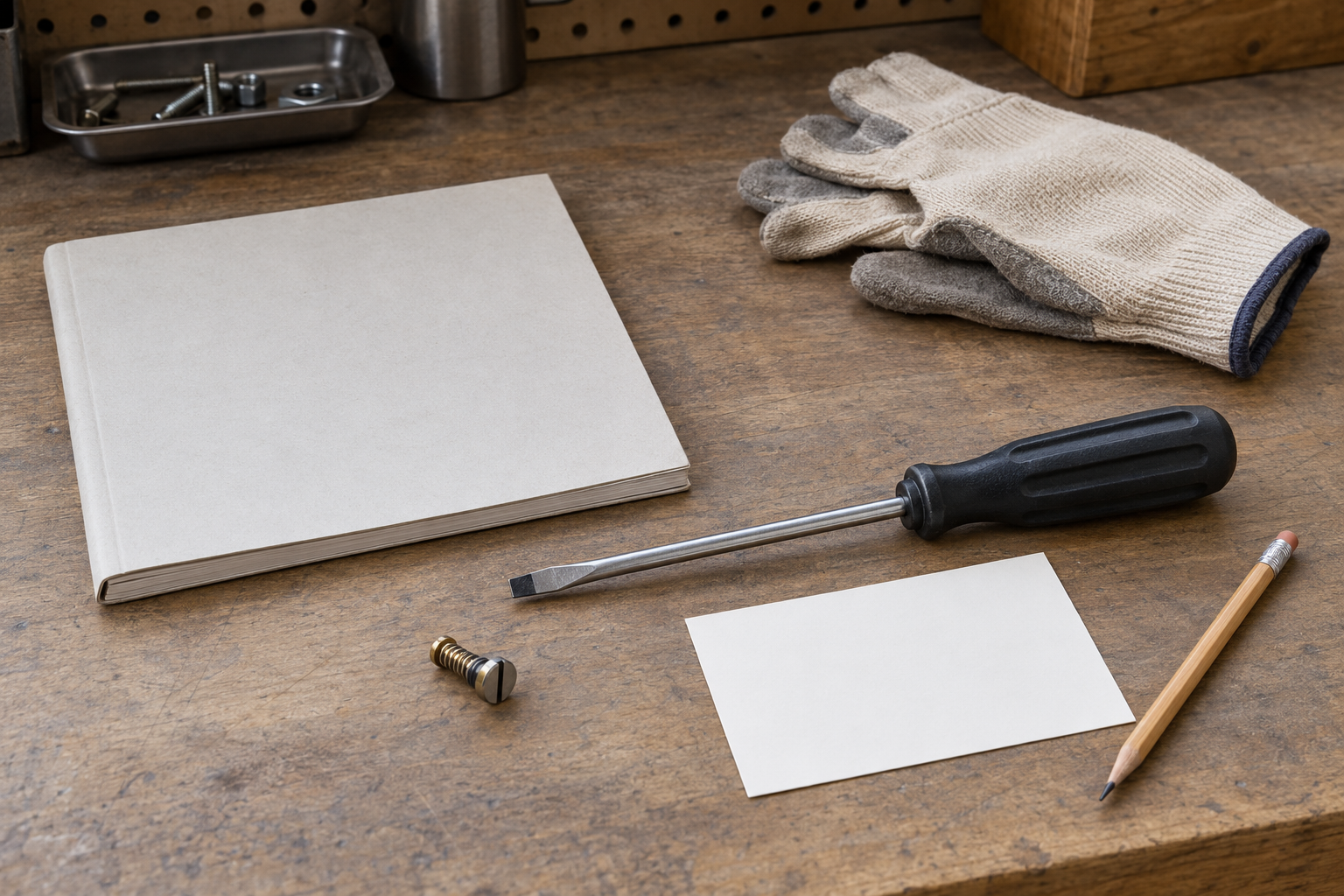
Before adjusting a chainsaw carburetor, find the exact model manual and establish what it permits. A visible adjustment screw, a generic H/L/T chart, or a running symptom does not prove that your saw accepts the same procedure as another model. This is a decision guide for a petrol saw that is switched off and cool while you identify the model and record the symptom. It does not give a universal mixture-screw setting, bypass limiter caps, prescribe a tachometer value, or replace the manufacturer’s specified service route.

Read More arrow_forward
Battery Chainsaw Cuts Out? Record the Cut First

Battery Chainsaw Cuts Out? Record the Cut First

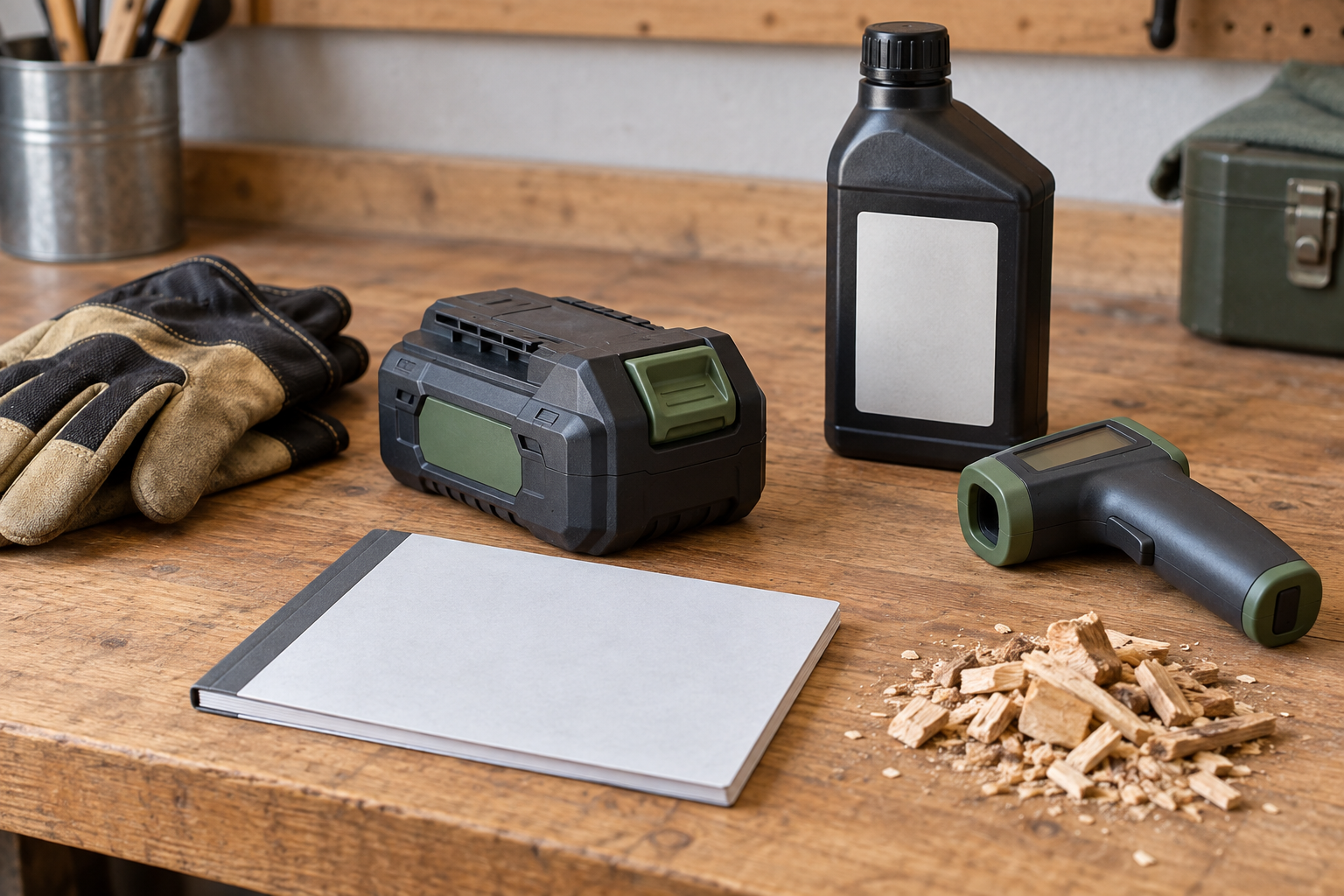
If a battery chainsaw cuts out while cutting, release the trigger, move clear of the cut, and use the saw’s instructions to switch it off and remove its battery before inspection. A stop under load can involve the cutting attachment, the work, a temperature or battery indication, or an internal fault; it does not identify one cause on its own.

Read More arrow_forward
Chainsaw Overheating? Find the Heat Before Repair

Chainsaw Overheating? Find the Heat Before Repair

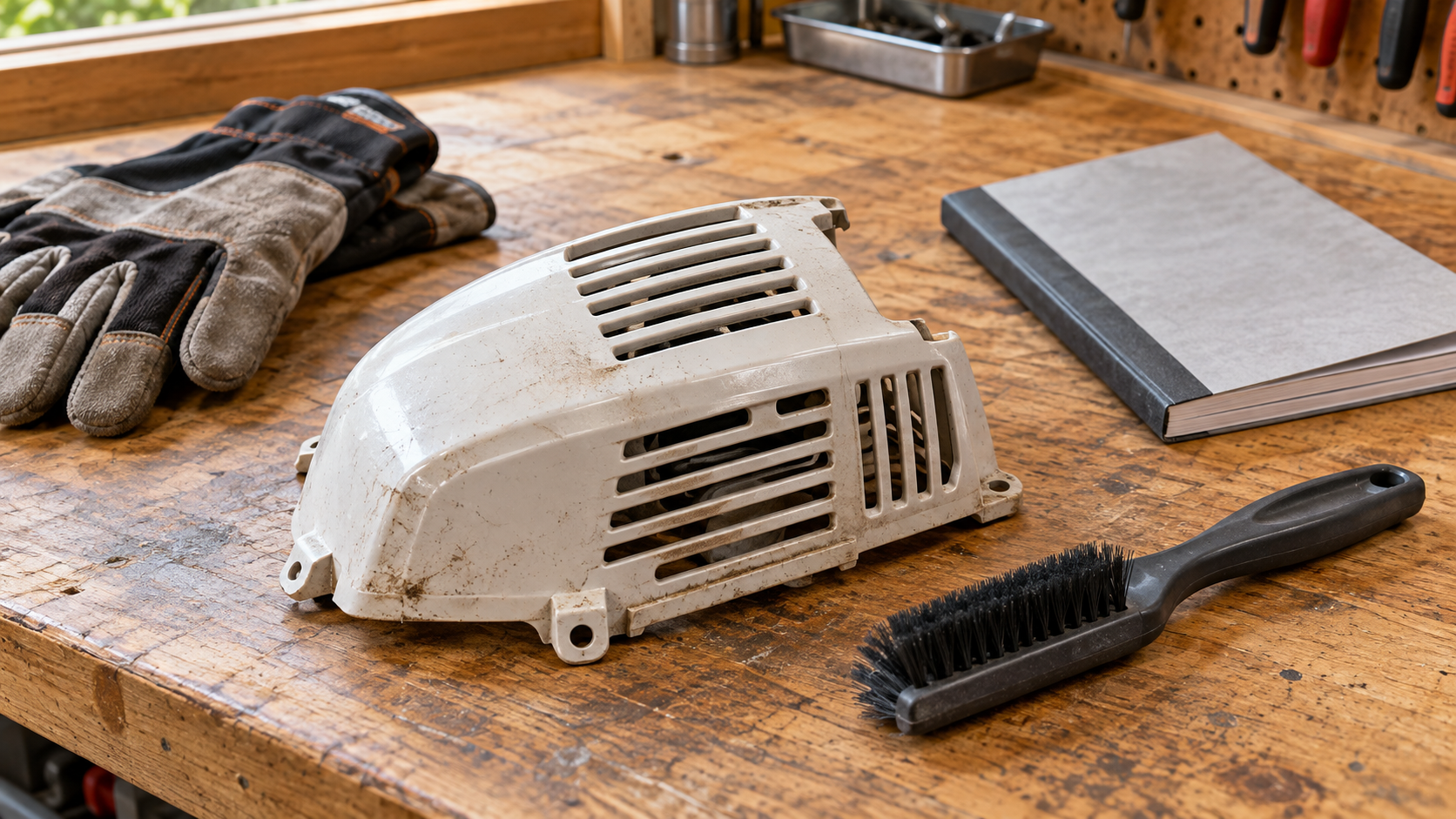
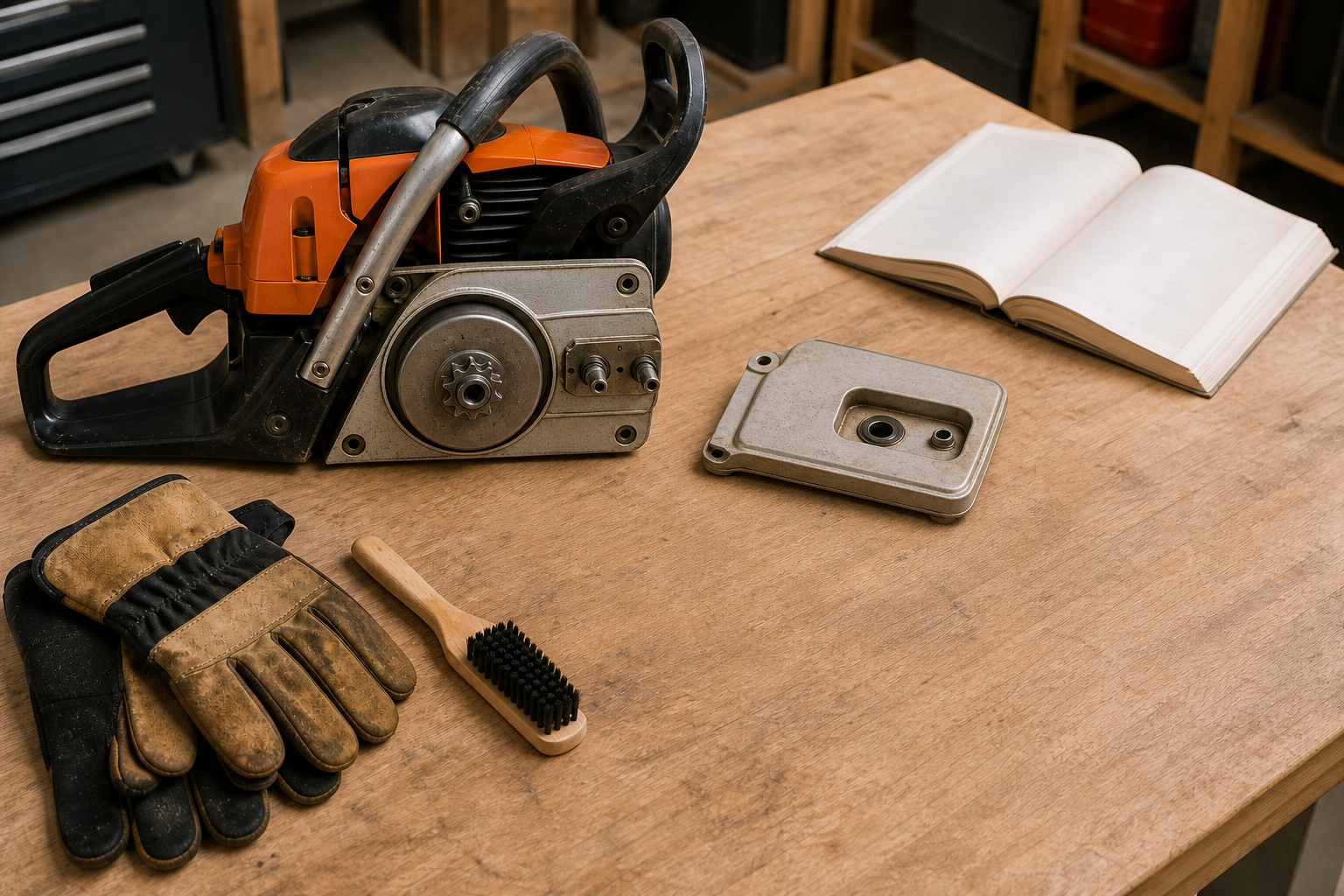
If a petrol chainsaw overheats or smokes, stop cutting, let it cool, and first locate the heat: at the engine and cooling-air path, or at the chain and guide bar. That observation determines the safe next check; it does not prove a fuel, carburetor, exhaust, or ignition fault. Illustrative preparation scene. Cover fasteners, cleaning access and service limits must come from the exact saw manual.

Read More arrow_forward
Chainsaw Starter Rope Won’t Pull? Stop Before Forcing It

Chainsaw Starter Rope Won’t Pull? Stop Before Forcing It

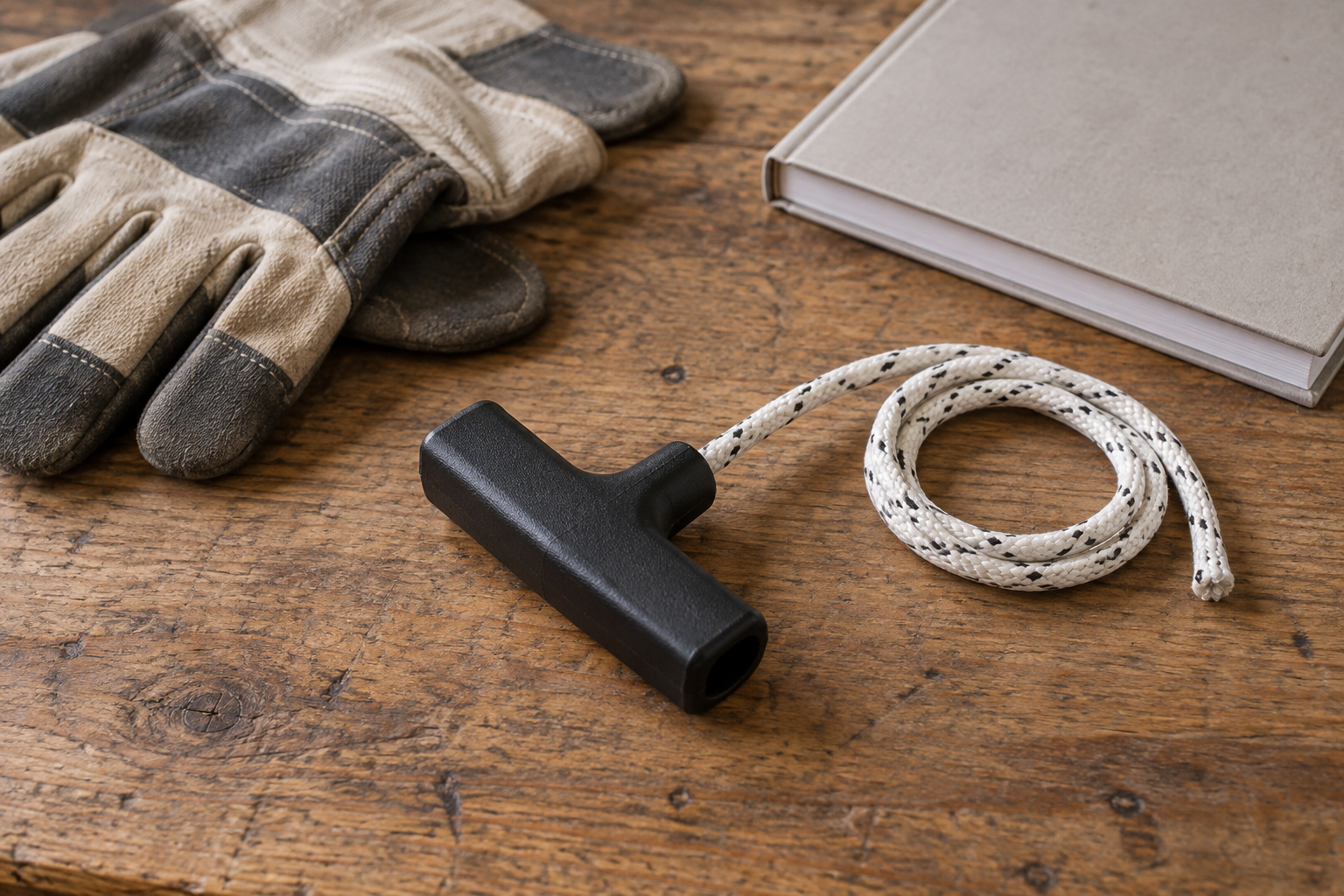
If a chainsaw starter rope will not pull, stops partway, or will not retract, do not force it. First distinguish the normal resistance described in the starting instructions from a changed rope path, visible rope damage, or a starter fault that needs the exact manual or a service provider. This guide is for a petrol saw that is switched off and cool. It does not give a generic recoil-spring, pulley, cylinder, or starter-cover repair procedure; those details and their safe limits vary by model.

Read More arrow_forward
Chainsaw Battery Not Charging? Read the Fault Before Repair

Chainsaw Battery Not Charging? Read the Fault Before Repair

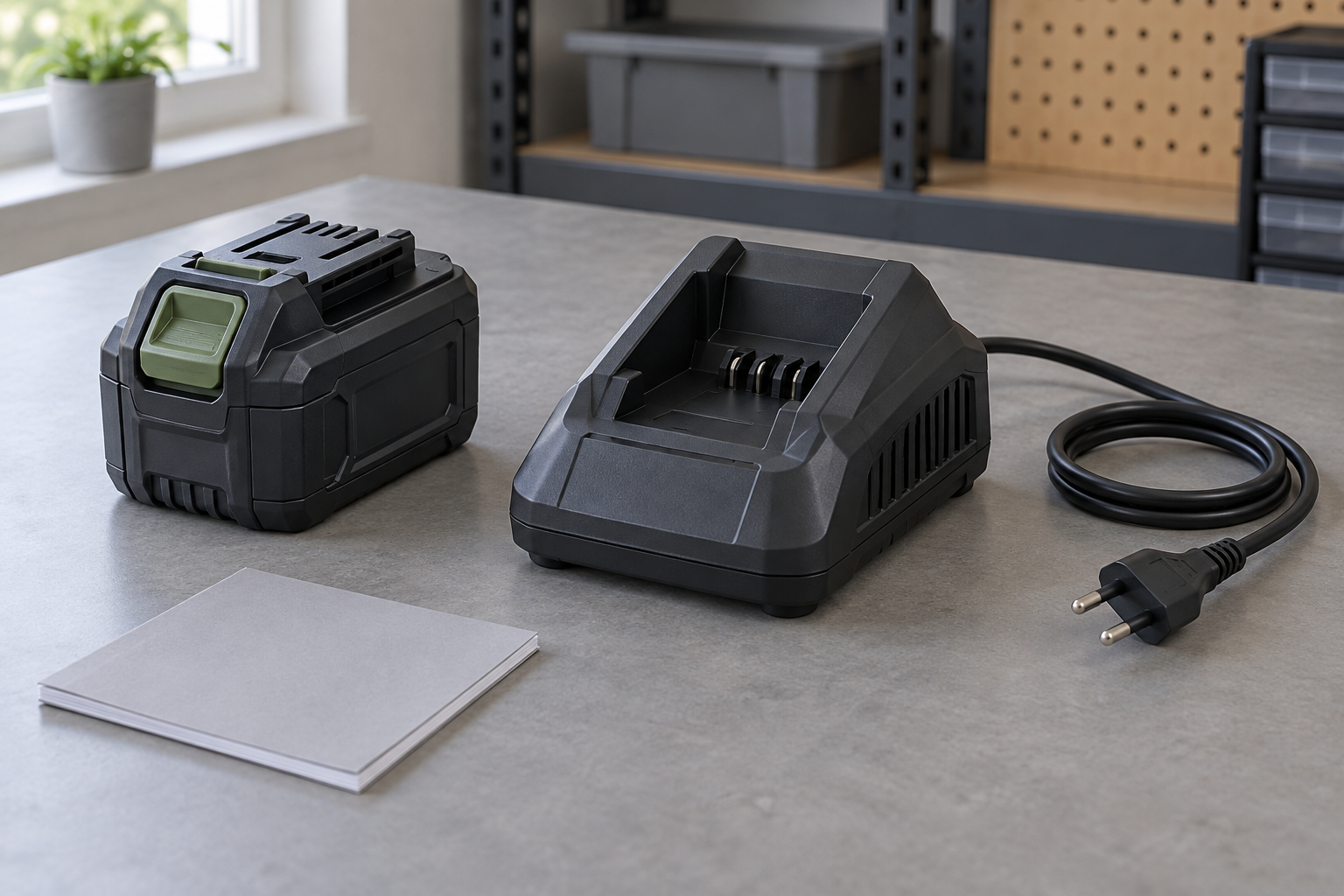
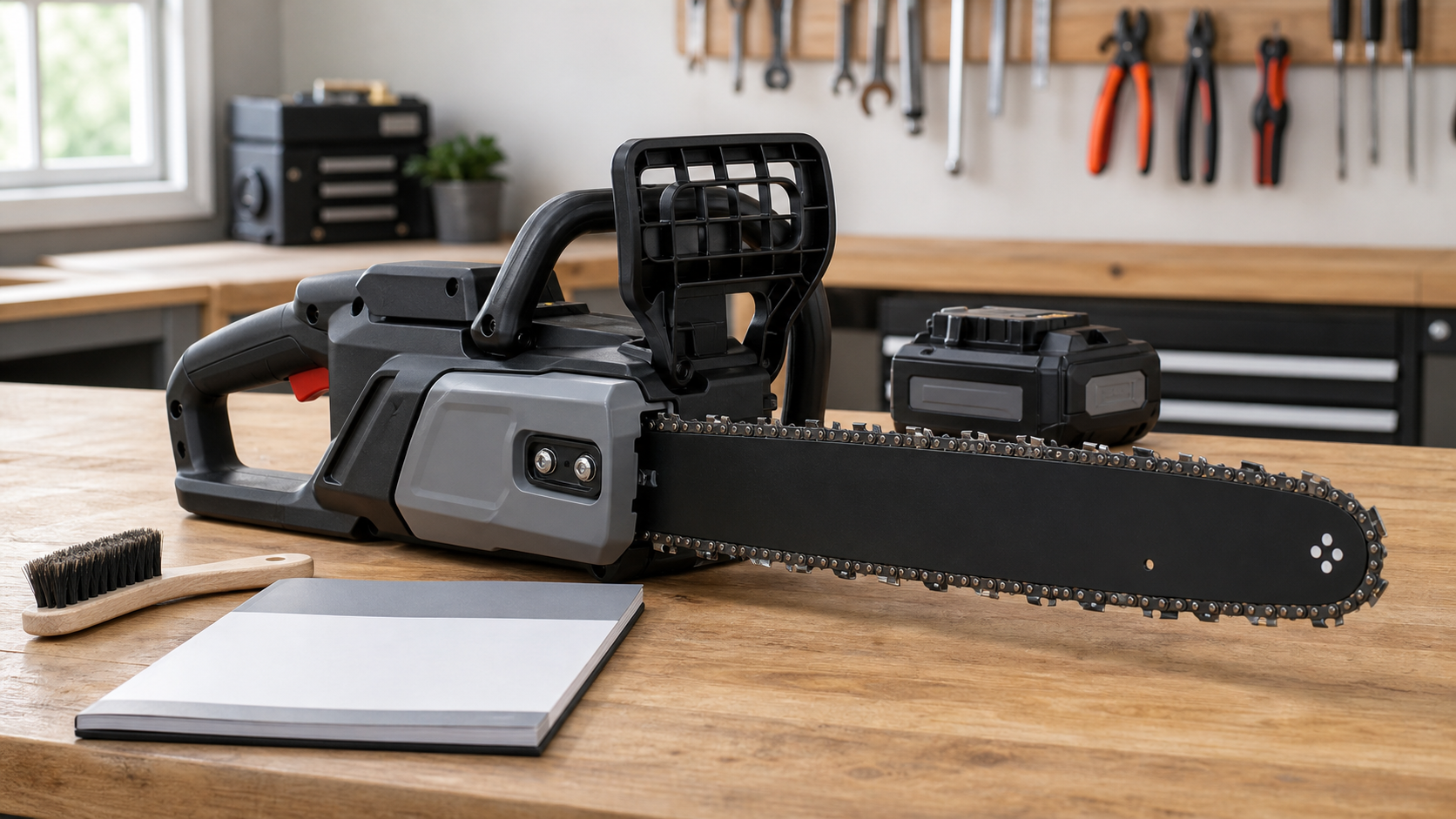
If your chainsaw battery is not charging, check the approved battery–charger pairing, power supply, seating and exact indicator message before deciding which part has failed. A temperature delay can prevent charging without proving a fault; damaged equipment or a persistent fault indication needs manufacturer-directed service, not an improvised battery repair. This guide is for detachable battery packs. The cover illustrates a powered-down inspection arrangement, not a particular compatible product pair. Identify your actual equipment from its labels and manuals before connecting it.

Read More arrow_forward
Chainsaw Bar Not Getting Oil? Trace the Oil Path

Chainsaw Bar Not Getting Oil? Trace the Oil Path

If your chainsaw bar and chain are not getting oil, stop cutting and do not keep running the chain to test it. Confirm the symptom only with the oil-output check in the exact operator manual, then trace the oil path from the reservoir to the bar before assuming the pump has failed. A dry-looking outer chain is not a complete diagnosis because much of the lubricant travels inside the bar rails. Better evidence is a missing oil trace during the maker’s approved check, a reservoir level that does not fall during normal use, or heat and wear appearing while the oil path remains dry.

Read More arrow_forward
Chainsaw Chain Won't Move? Diagnose It Powered Down

Chainsaw Chain Won't Move? Diagnose It Powered Down

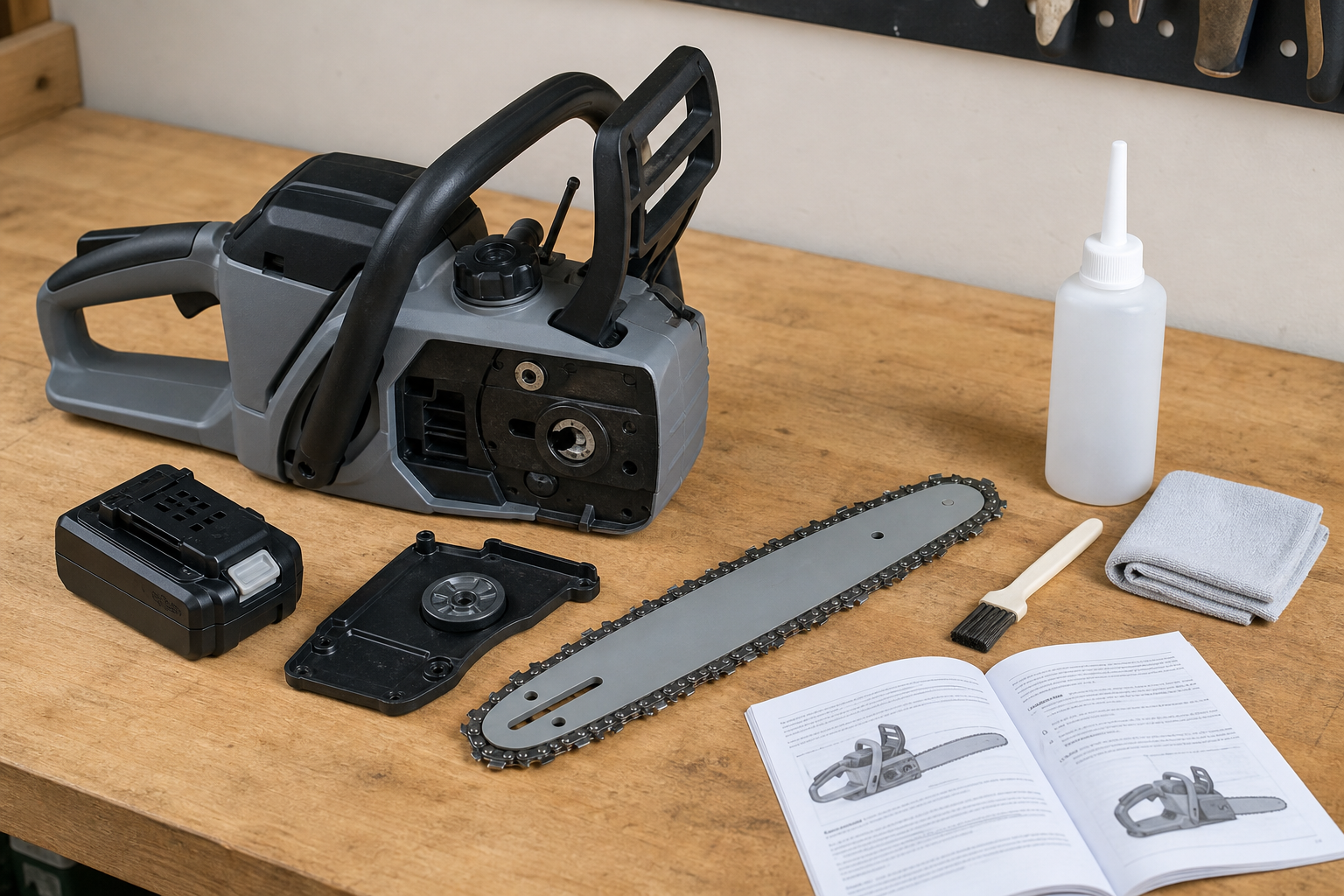
If the chainsaw motor runs but the chain won’t move, stop applying throttle and switch the saw off. After disabling its power source exactly as the operator manual directs, use the chain’s hand-movement result to separate a brake, tension, installation, or debris problem from a clutch or drive fault that needs service. This article is for a motor that runs while the chain remains stationary. If the motor will not start, cannot accelerate, or dies when you press the throttle, that is a different diagnostic job. Do not keep revving against a chain that is locked: the useful evidence comes from a cooled, disabled saw.

Read More arrow_forward
Chainsaw Chain Keeps Coming Loose? Check This First

Chainsaw Chain Keeps Coming Loose? Check This First

If a chainsaw chain keeps coming loose, stop cutting, let the saw cool, and do not tighten it again until you know whether the bar moved or the chain fit changed around the loop. Slack that returns immediately points toward mounting or tensioner trouble; slack that appears with heat or varies around the bar points toward lubrication, chain, bar, or sprocket evidence.

Read More arrow_forward
Chainsaw Sprocket Wear: Inspect Before Replacing

Chainsaw Sprocket Wear: Inspect Before Replacing

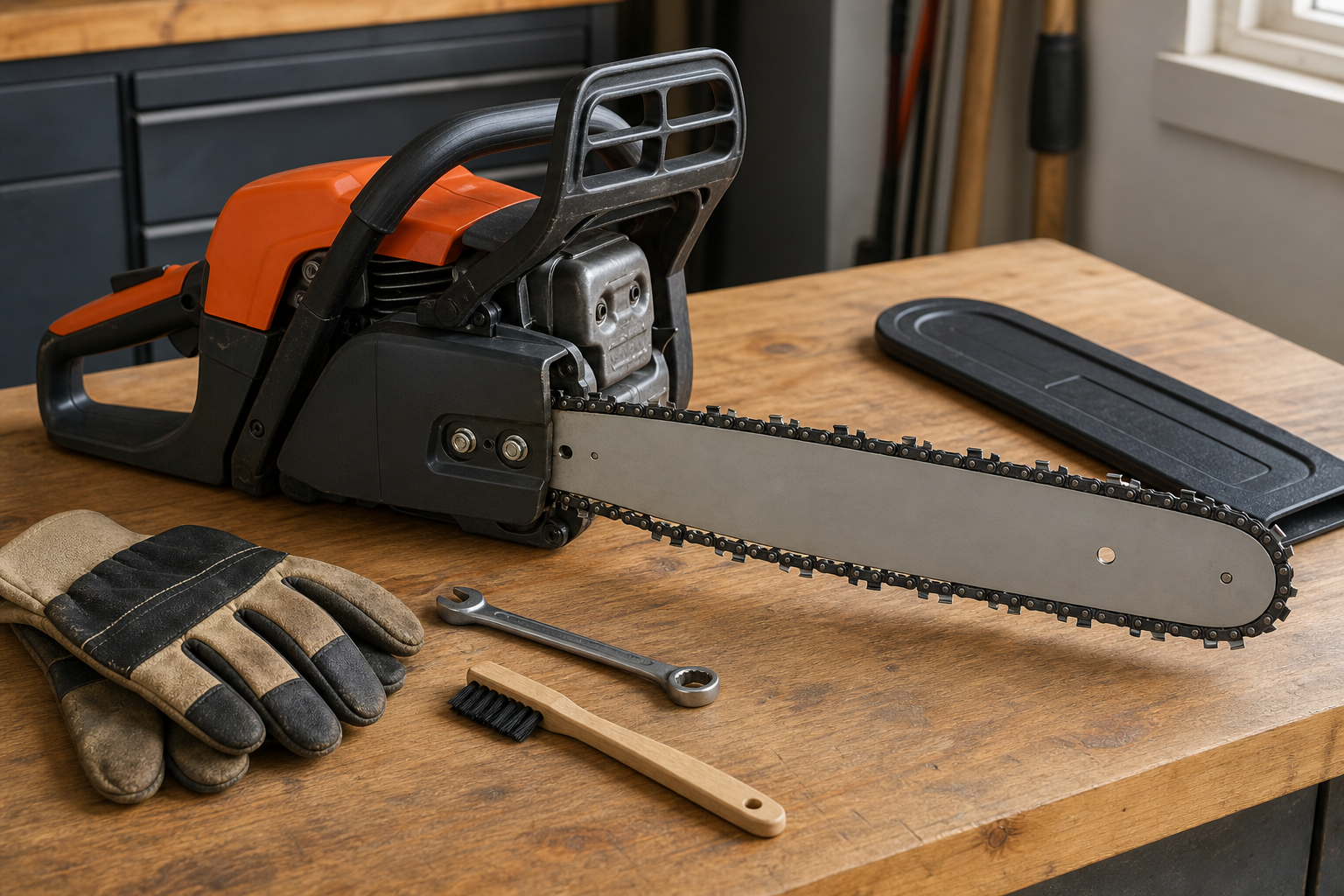
Chainsaw sprocket wear is a replacement concern when the cleaned drive surface has excessive grooves, damaged or distorted teeth, or wear beyond the limit in the saw manual. Inspect the chain’s drive links and the rest of the cutting attachment at the same time, because recurring slack or rough travel does not identify the sprocket by itself.

Read More arrow_forward
Chainsaw Starts Then Dies? Record the Pattern Before Repair

Chainsaw Starts Then Dies? Record the Pattern Before Repair

A petrol chainsaw that starts then dies usually needs its fuel, starting procedure, air path, or fuel-delivery system checked—not another round of random carburetor adjustments. Stop repeated starts, use the exact operator manual, and record when the engine stops; that pattern tells you which owner-level check is worth making. First, make the saw safe to inspect Let the engine cool. Engage the chain brake, switch the saw off, and work outdoors or in a well-ventilated place away from ignition sources. Fit the bar cover whenever you are not checking the cutting attachment.

Read More arrow_forward
Chainsaw Cutters Different Lengths? How to Correct the Chain

Chainsaw Cutters Different Lengths? How to Correct the Chain

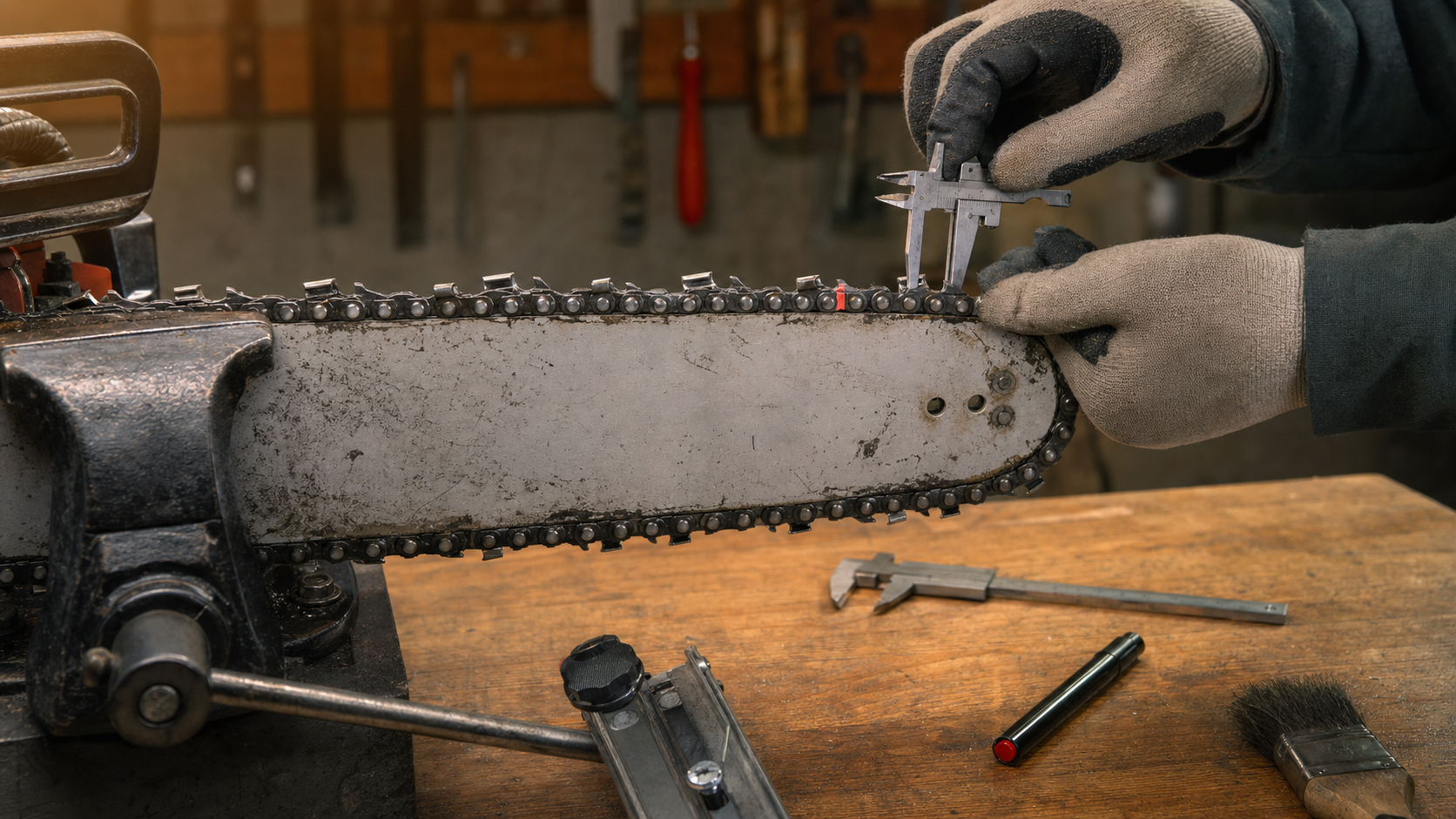
Chainsaw cutters of different lengths need inspection before you file the whole loop shorter. A slight random variation is not the same fault as every left-hand cutter being shorter than every right-hand cutter, and one rocked tooth should not dictate an aggressive correction unless the rest of the chain still has enough service life. The practical goal is a loop with sharp, reasonably consistent cutters and depth gauges checked against the corrected cutter geometry. This bench method helps you decide what to match, what to leave alone, and when the chain is no longer worth reworking.

Read More arrow_forward
Chainsaw Still Dull After Sharpening? Diagnose the Chain Before Filing Again

Chainsaw Still Dull After Sharpening? Diagnose the Chain Before Filing Again

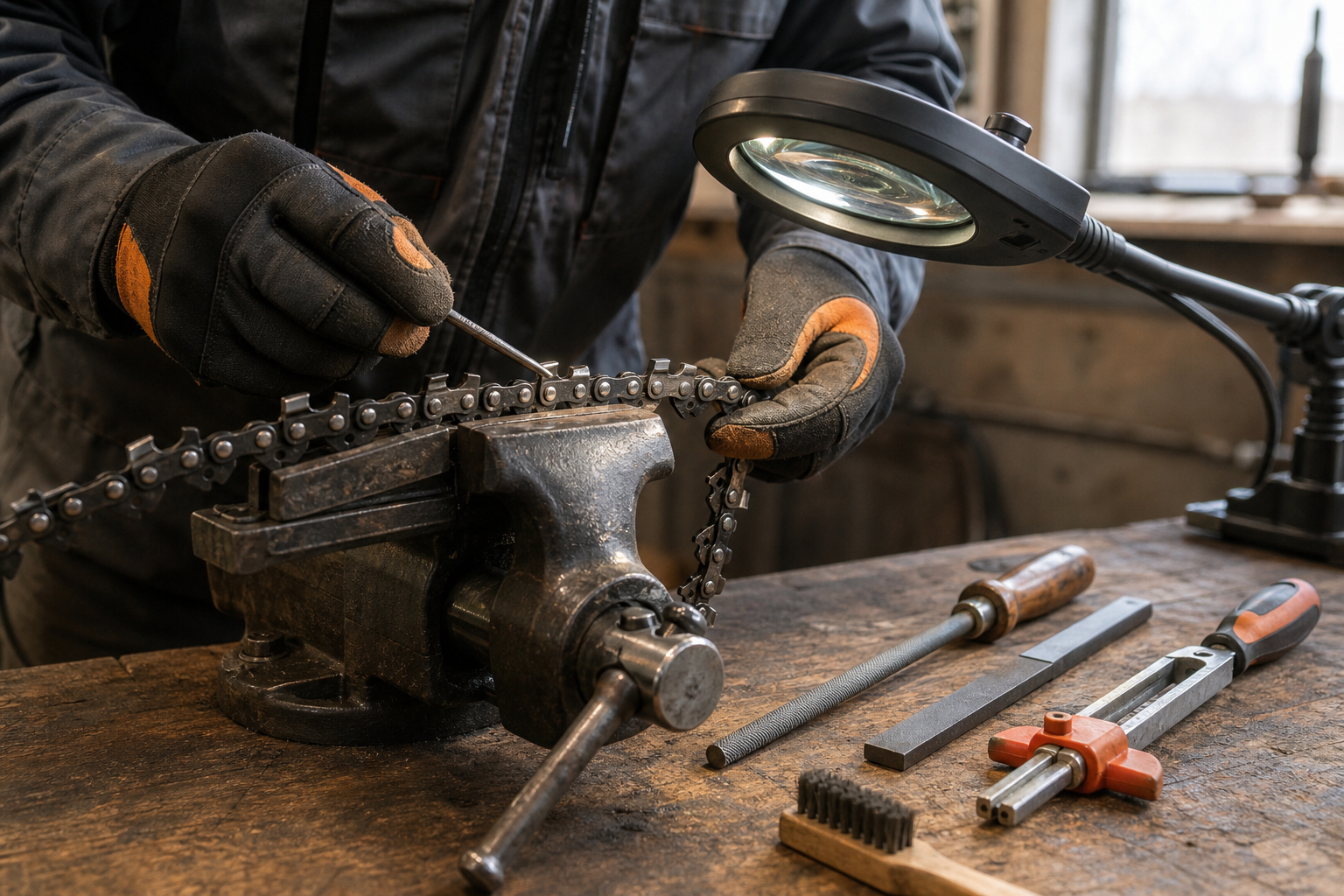
A chainsaw that is still dull after sharpening usually has a cutting edge that was not fully restored, depth gauges that no longer match the shortened cutters, or inconsistent cutter geometry around the loop. Do not start another full sharpening pass until you know which fault you are correcting. This guide is for homeowners, firewood cutters, and workshop users who have just filed or ground a chain but still need to push the saw through clean wood. Put the saw aside, clean the chain enough to see bare metal, and work through the checks in order.

Read More arrow_forward
home Home shopping_cart Shop menu_book Guides construction Tools person Account