menu
KONKELL CHAINSAW SHARPENER
Category Archive

Bar and Chain Oil

Chainsaw Leaks Oil When Stored? Trace the Drip

Chainsaw Leaks Oil When Stored? Trace the Drip

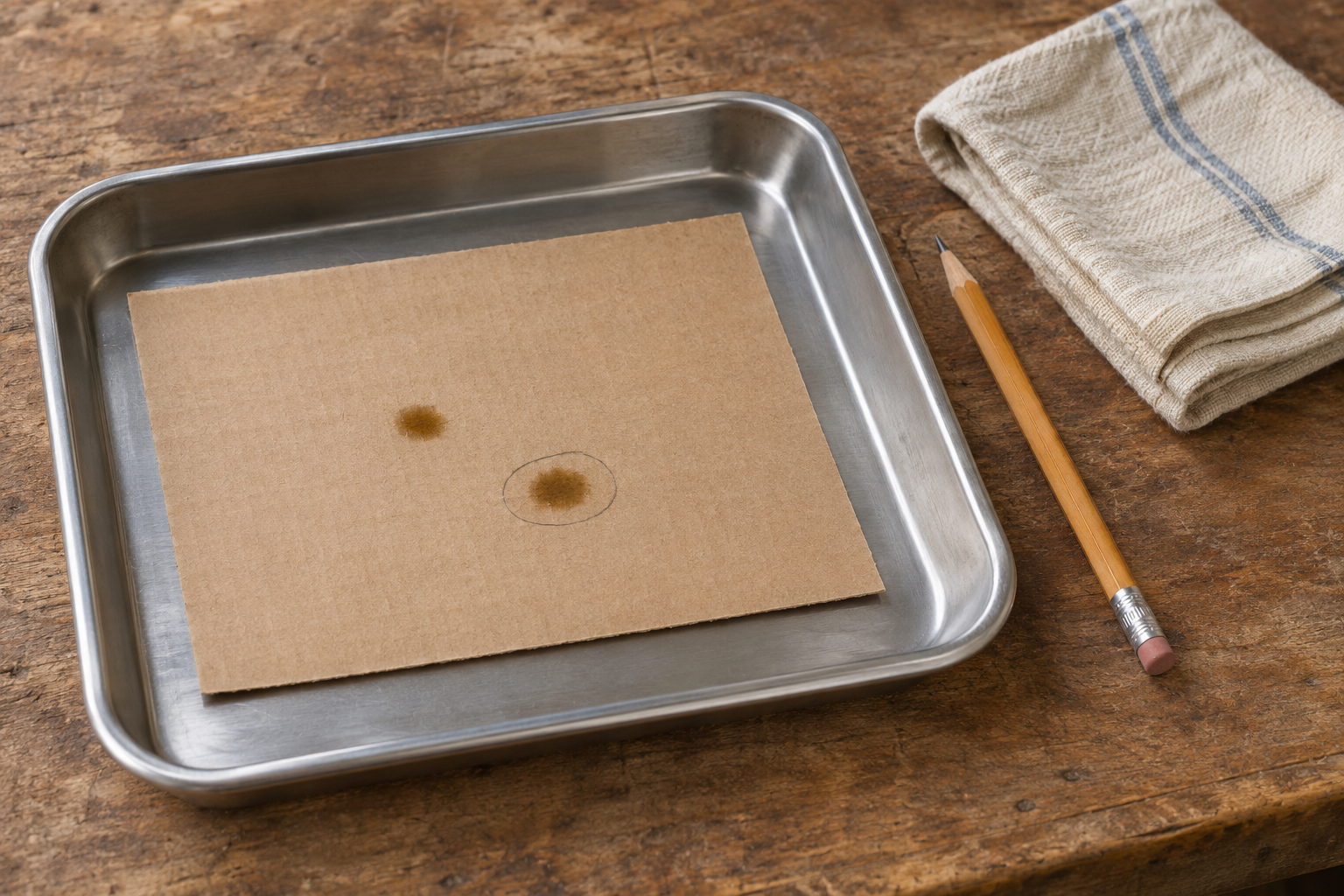
Bar oil can drip from the chain, guide bar or saw body after a chainsaw is parked. If fresh oil returns after you wipe away the residue, compare where it first appears with any change in the oil tank level before deciding whether the saw needs service. Read the saw before you read the cardboard A stain tells you where oil landed. Look for the highest point you can see along a fresh wet trail: oil on the underside may have started at the cap and run down the housing. After recent cutting, oil left in the bar groove or behind the sprocket cover can also work its way out slowly. Even a sizable stain under the bar does not identify a failed part.

Read More arrow_forward
Chainsaw Bar Oil Type: Choose From the Manual First

Chainsaw Bar Oil Type: Choose From the Manual First

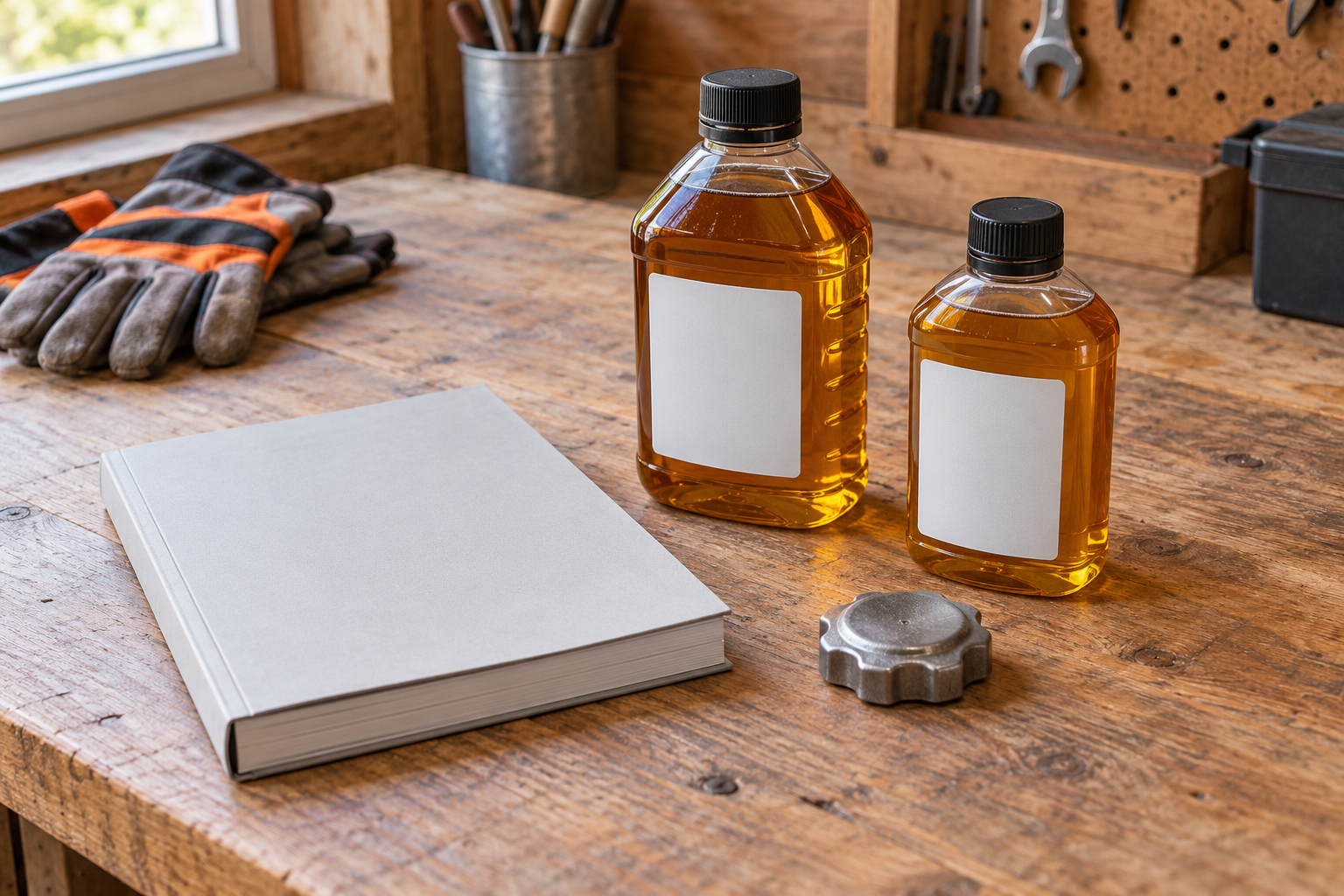
Choose the chainsaw bar oil type named in the exact saw manual: in ordinary use, that normally means a purpose-formulated bar-and-chain lubricant, not used engine oil. If the manual specifies a cold-weather grade, a biodegradable formulation, or a permitted fallback, follow that model-specific instruction rather than treating one bottle or one online tip as universal. Oil in the reservoir has one job: to lubricate the chain, guide-bar groove, and related cutting surfaces as the saw operates. It is not fuel, two-stroke mix, hydraulic fluid, or a generic oil category. The label tells you what the bottle is; the manual tells you whether it belongs in your saw and under the current conditions.

Read More arrow_forward
Chainsaw Bar Not Getting Oil? Trace the Oil Path

Chainsaw Bar Not Getting Oil? Trace the Oil Path

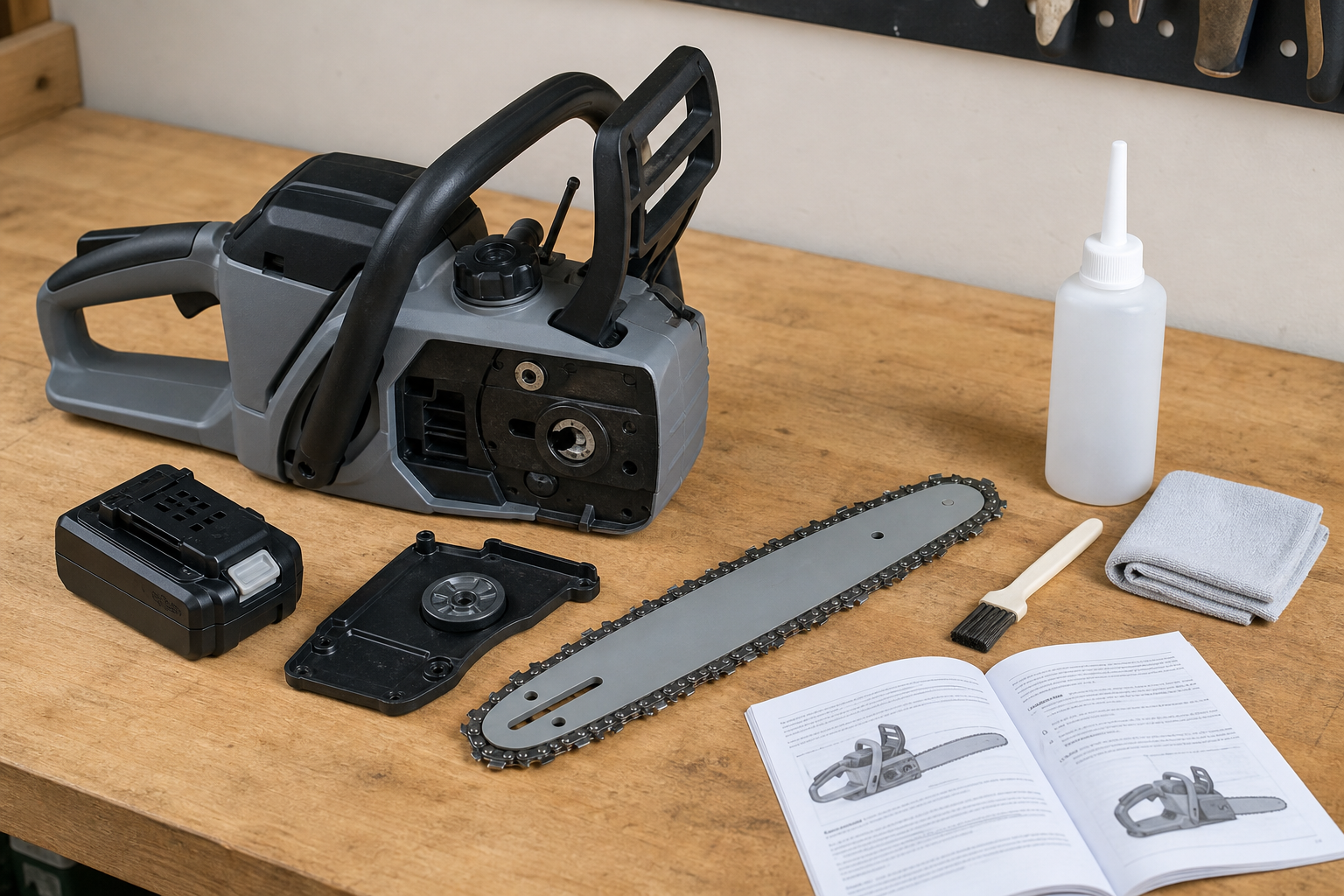
If your chainsaw bar and chain are not getting oil, stop cutting and do not keep running the chain to test it. Confirm the symptom only with the oil-output check in the exact operator manual, then trace the oil path from the reservoir to the bar before assuming the pump has failed. A dry-looking outer chain is not a complete diagnosis because much of the lubricant travels inside the bar rails. Better evidence is a missing oil trace during the maker’s approved check, a reservoir level that does not fall during normal use, or heat and wear appearing while the oil path remains dry.

Read More arrow_forward
home Home shopping_cart Shop menu_book Guides construction Tools person Account