menu
KONKELL CHAINSAW SHARPENER
Category Archive

Posts

How to Wash Chainsaw Chaps: Check the Label First

How to Wash Chainsaw Chaps: Check the Label First

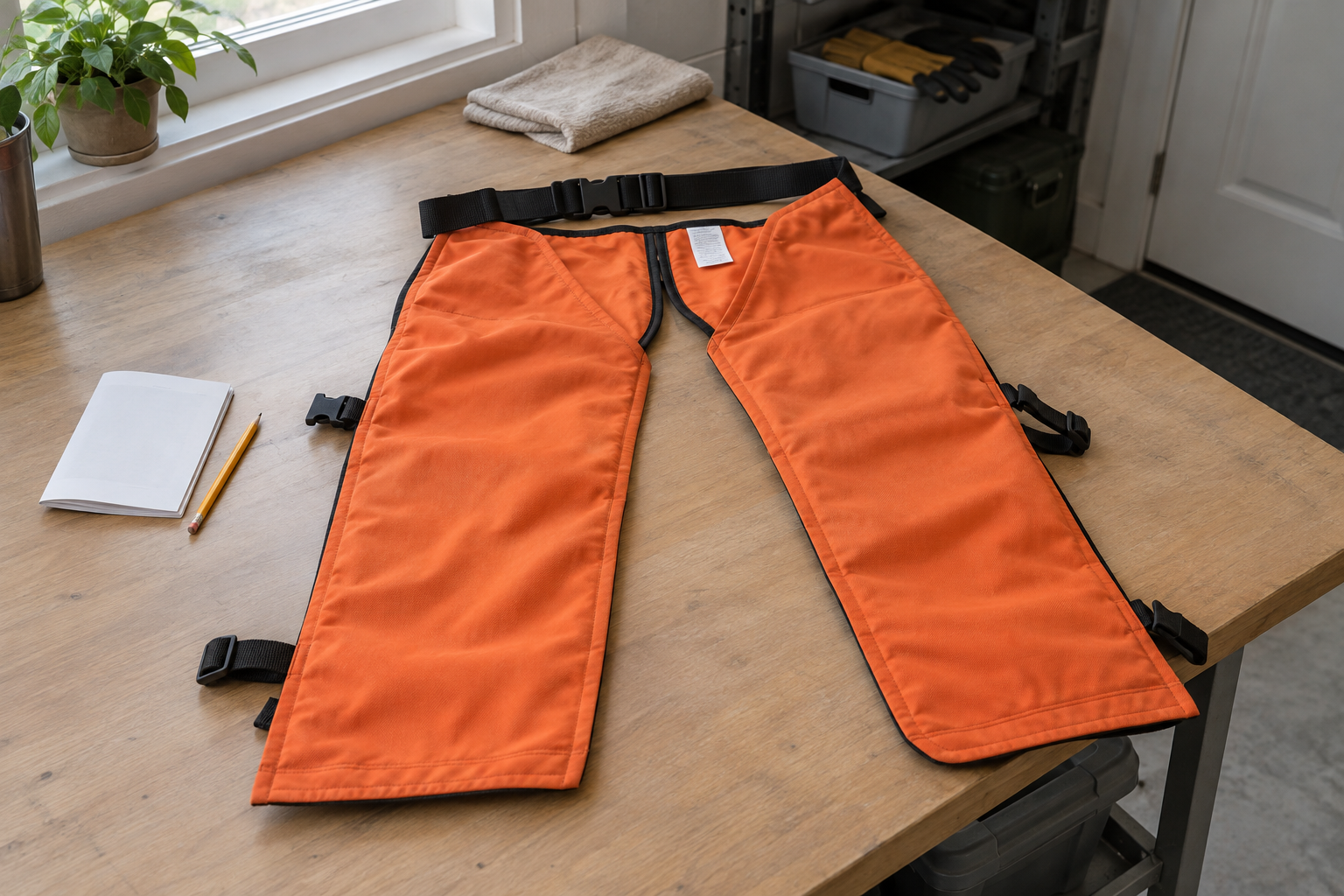
Wash chainsaw chaps only by the method on their care label and model-specific instructions: machine washing and tumble drying are permitted for some garments and prohibited for others. Inspect them first; cuts, exposed protective material or suspected damage need a manufacturer-led service or replacement decision, not simply another wash. This guide helps an occasional firewood cutter choose the care route for an existing pair. It does not establish whether an unidentified garment is suitable for a particular saw or certify that washed chaps retain their original protection.

Read More arrow_forward
Chainsaw Spark Plug Check: Inspect, Measure, Refit

Chainsaw Spark Plug Check: Inspect, Measure, Refit

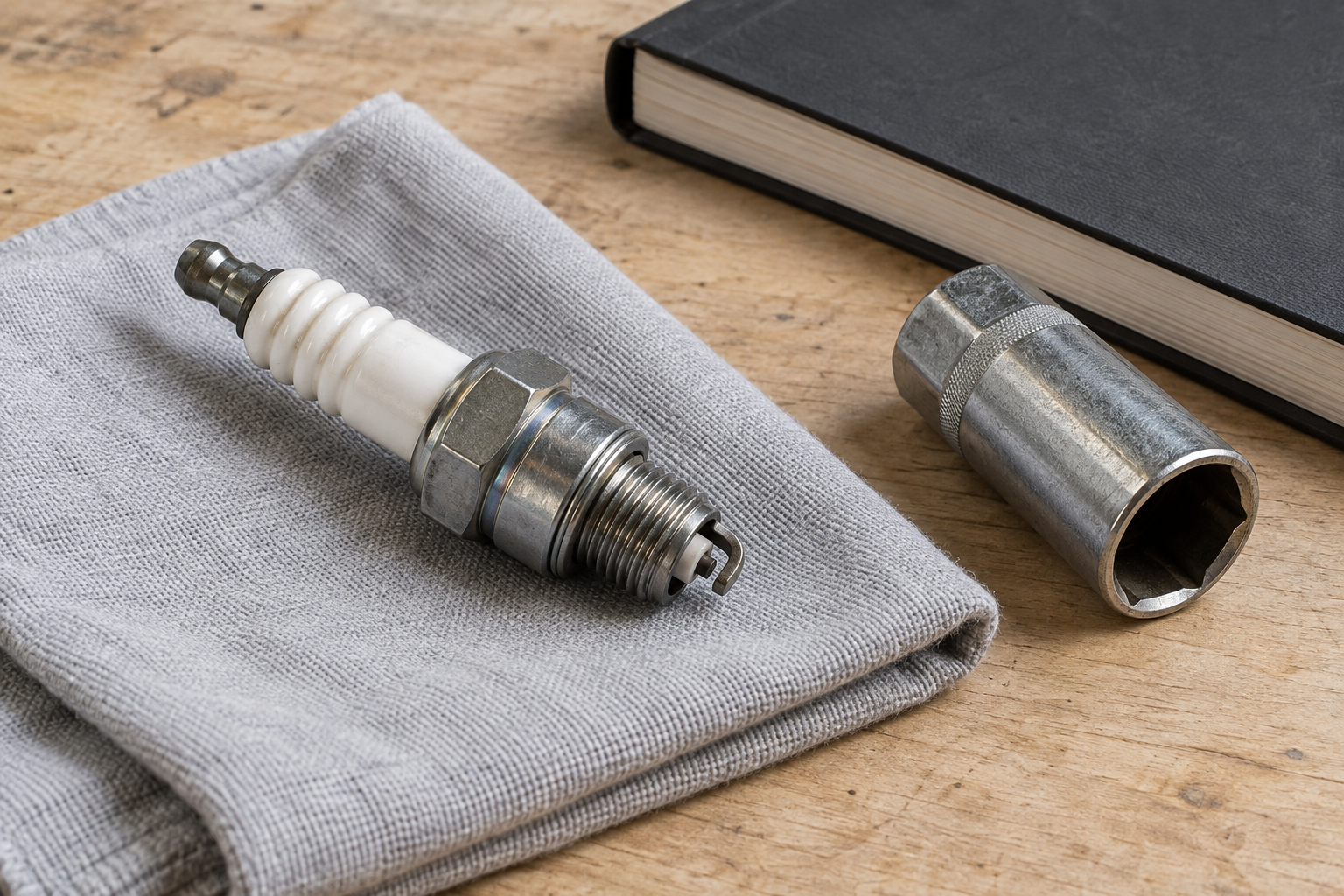
To check a chainsaw spark plug, stop and cool the engine, disconnect the plug lead as the manual directs, then inspect the removed plug and measure its electrode gap against the model’s specification. Replace a damaged or worn plug with the specified type; an intact plug may be cleaned by the approved method, but its appearance alone does not establish that the ignition system works. This is an owner-maintenance inspection for a petrol saw. It does not involve cranking the engine with an exposed plug or opening the ignition system. The procedure and limits below draw on manufacturer guidance and the manuals listed at the end.

Read More arrow_forward
When to Replace a Chainsaw File: Check Before Buying

When to Replace a Chainsaw File: Check Before Buying

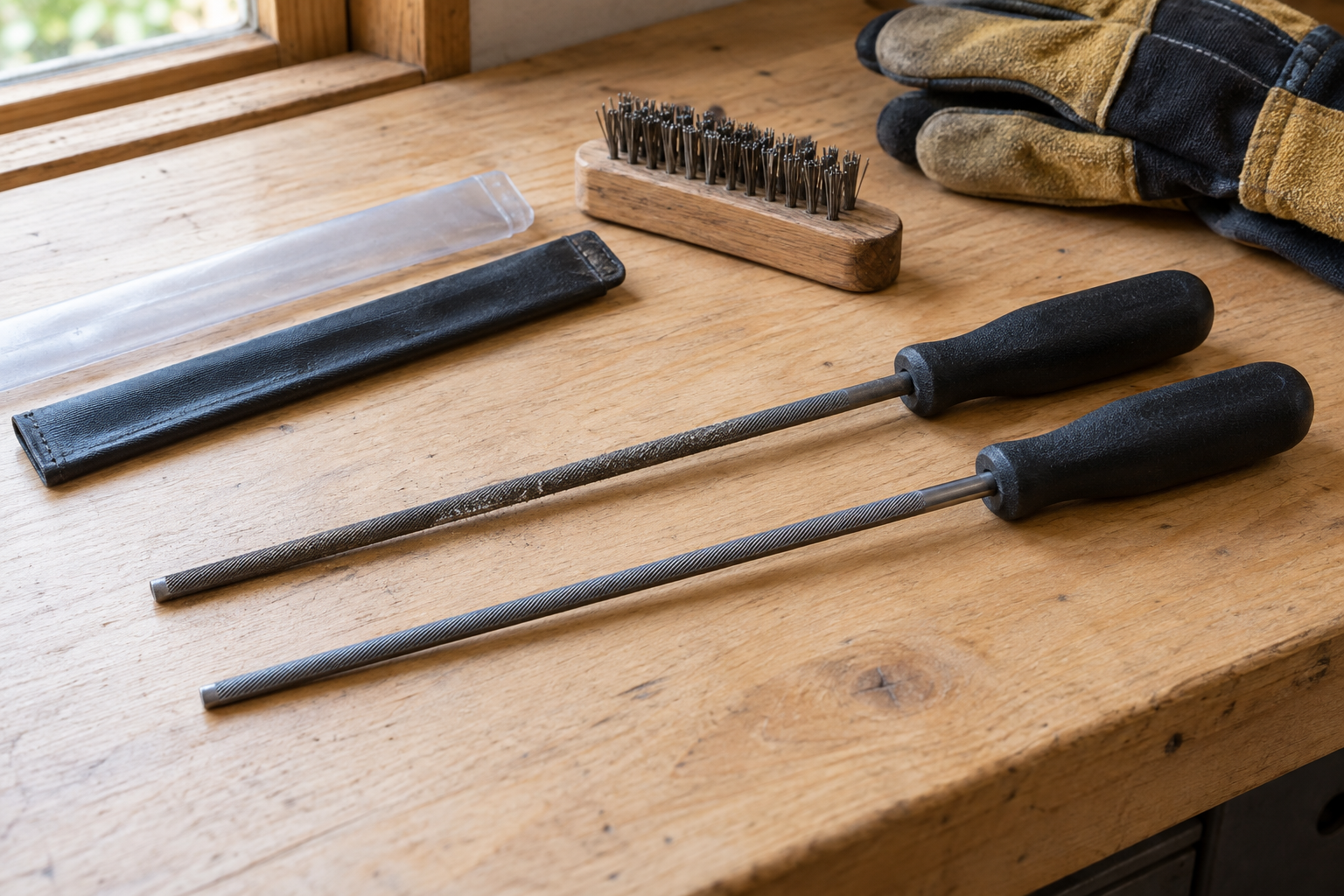
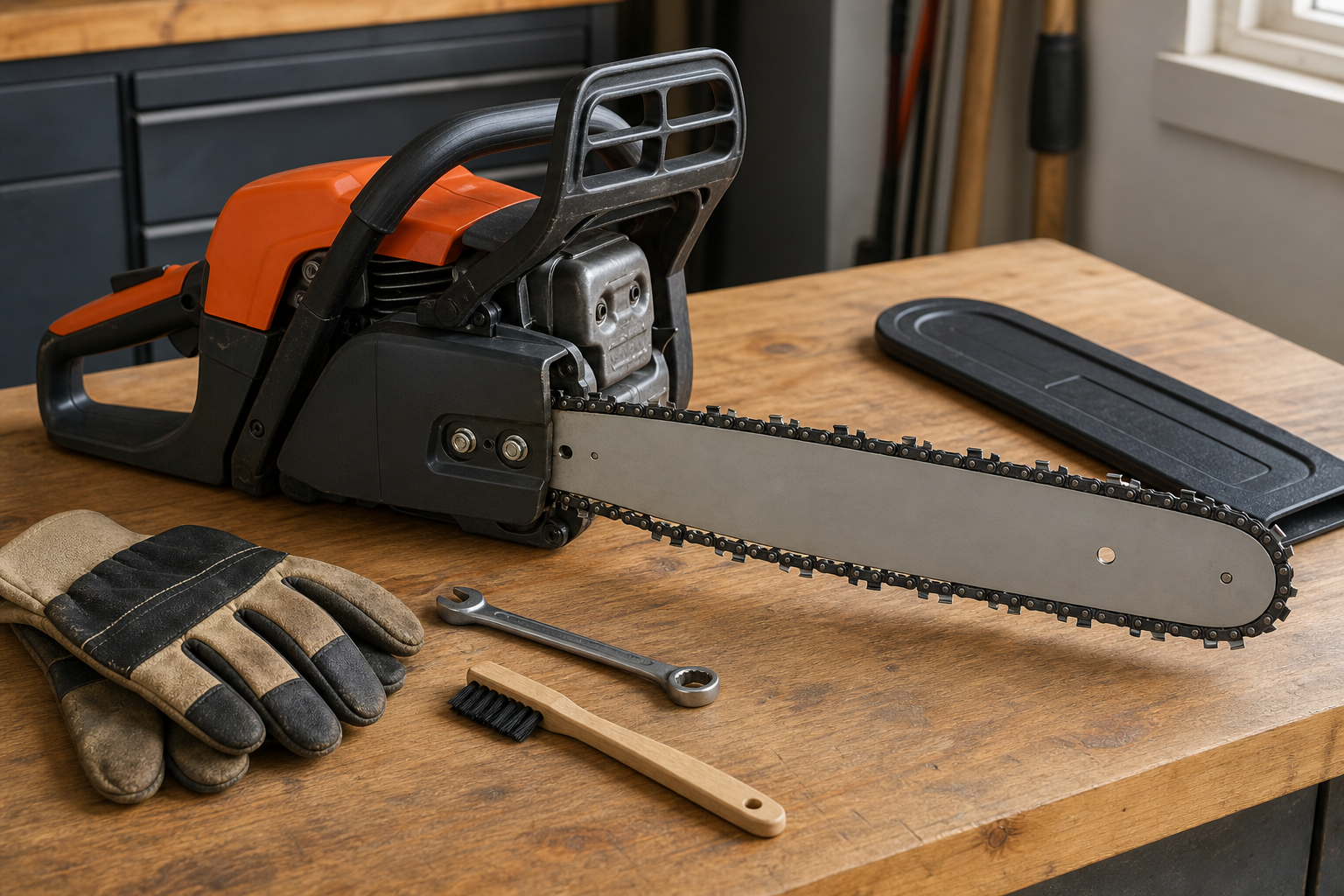
Replace a chainsaw file when it is damaged or remains ineffective after cleaning and checking that its specification and filing setup are correct. Visible debris calls for a cleaning check first; the number of chains sharpened alone is not a reliable replacement rule. This guide is for an owner deciding what to do with an ordinary round saw-chain file already in the tool kit. Special cutter systems need their own specified tools. The cover illustrates an inspection setup, not a measured comparison between a serviceable file and a worn-out one.

Read More arrow_forward
Chainsaw Chain Direction: Check the Cutters Before Starting

Chainsaw Chain Direction: Check the Cutters Before Starting

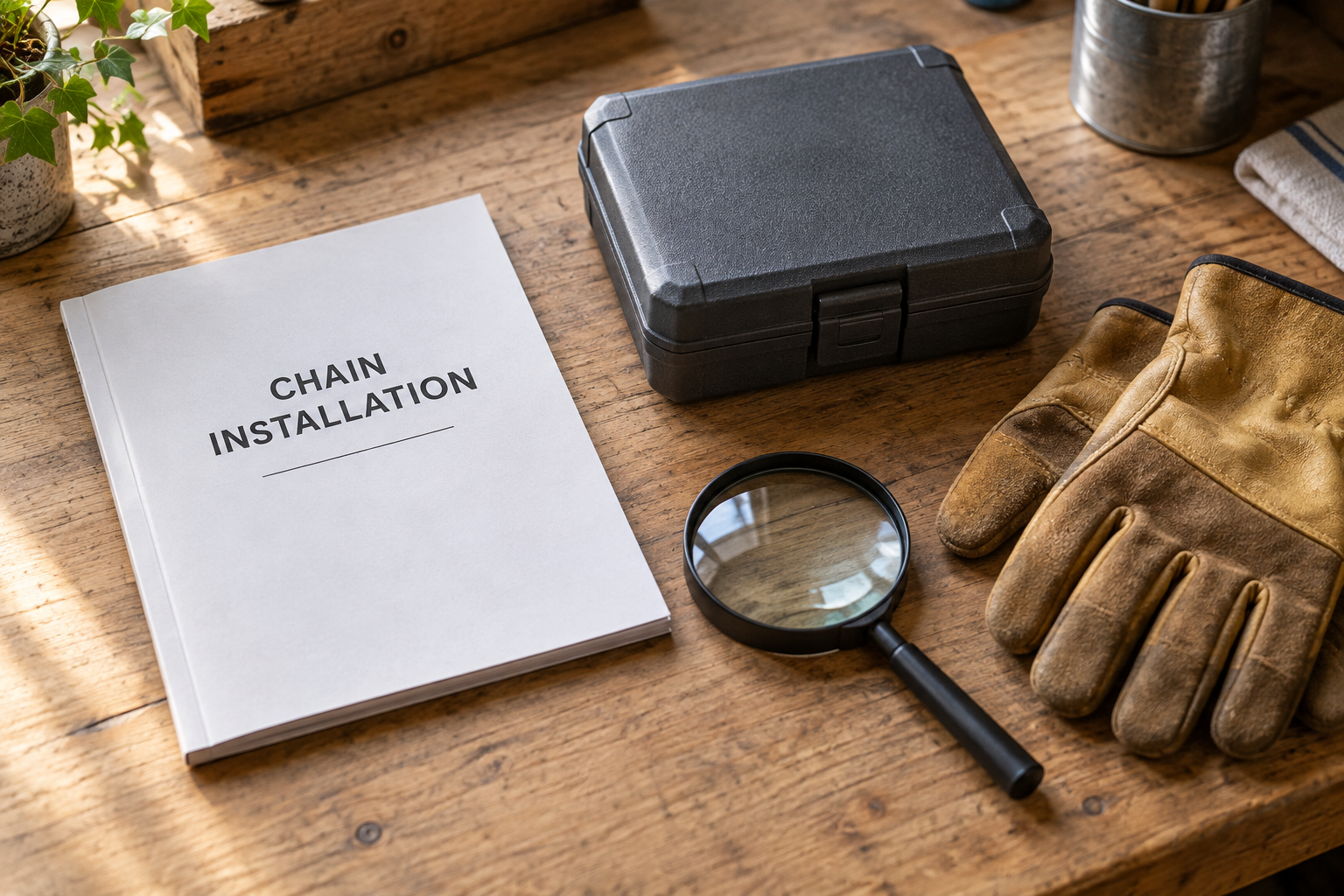
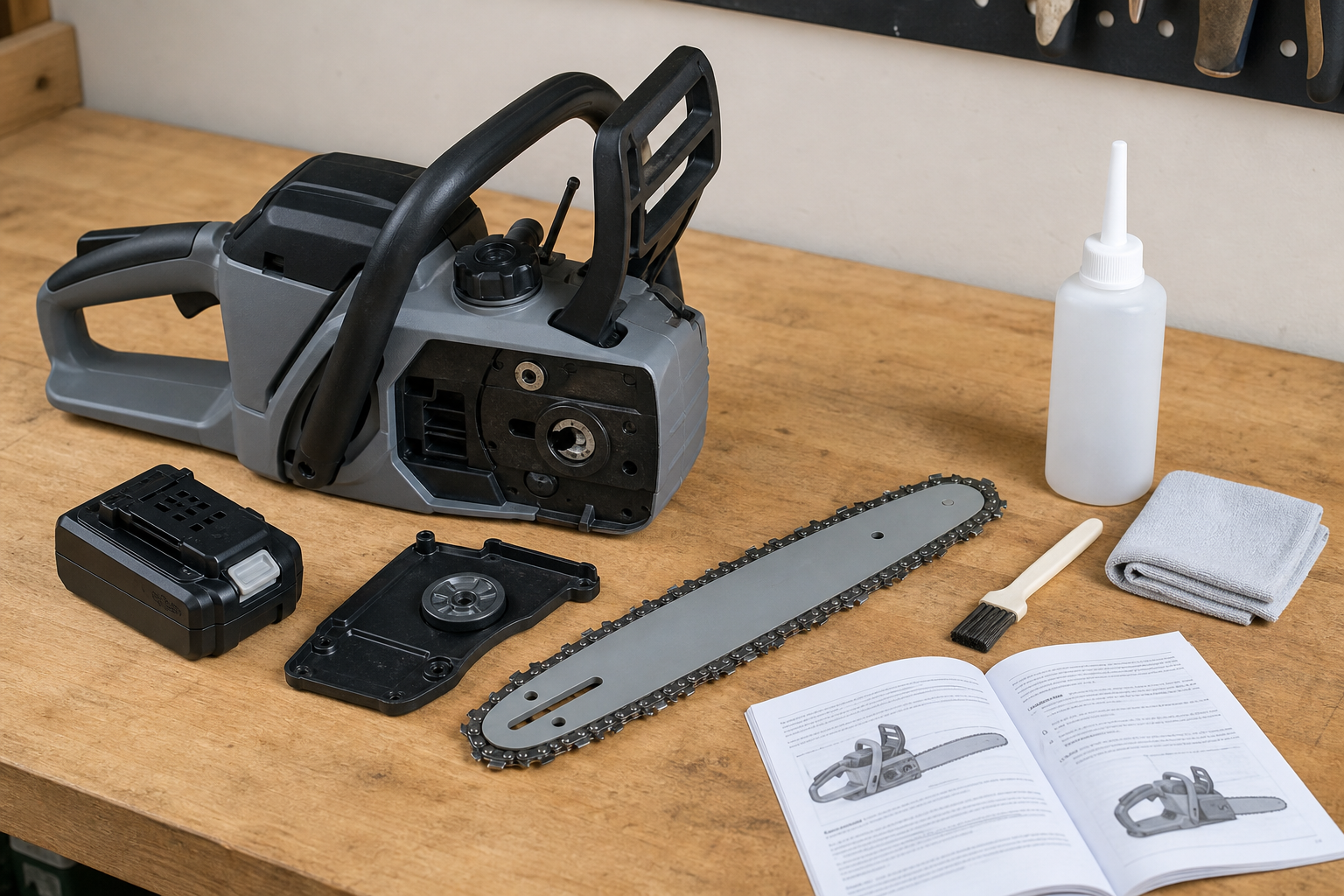
On a conventional chainsaw, the cutting edges on the top of the guide bar must face away from the powerhead and toward the bar tip. Along the underside, the cutting edges face back toward the powerhead; check this with the saw stopped and its power source isolated, using the installation diagram for your model. This check is useful after removing a chain for cleaning, fitting a replacement loop, or unpacking a saw that requires assembly. You do not need to start the motor or try cutting wood to establish which way the cutters face. Keep the operator manual open at the bar-and-chain installation section so the physical parts and the manufacturer’s drawing can be compared directly.

Read More arrow_forward
Chainsaw Battery Not Charging? Read the Fault Before Repair

Chainsaw Battery Not Charging? Read the Fault Before Repair

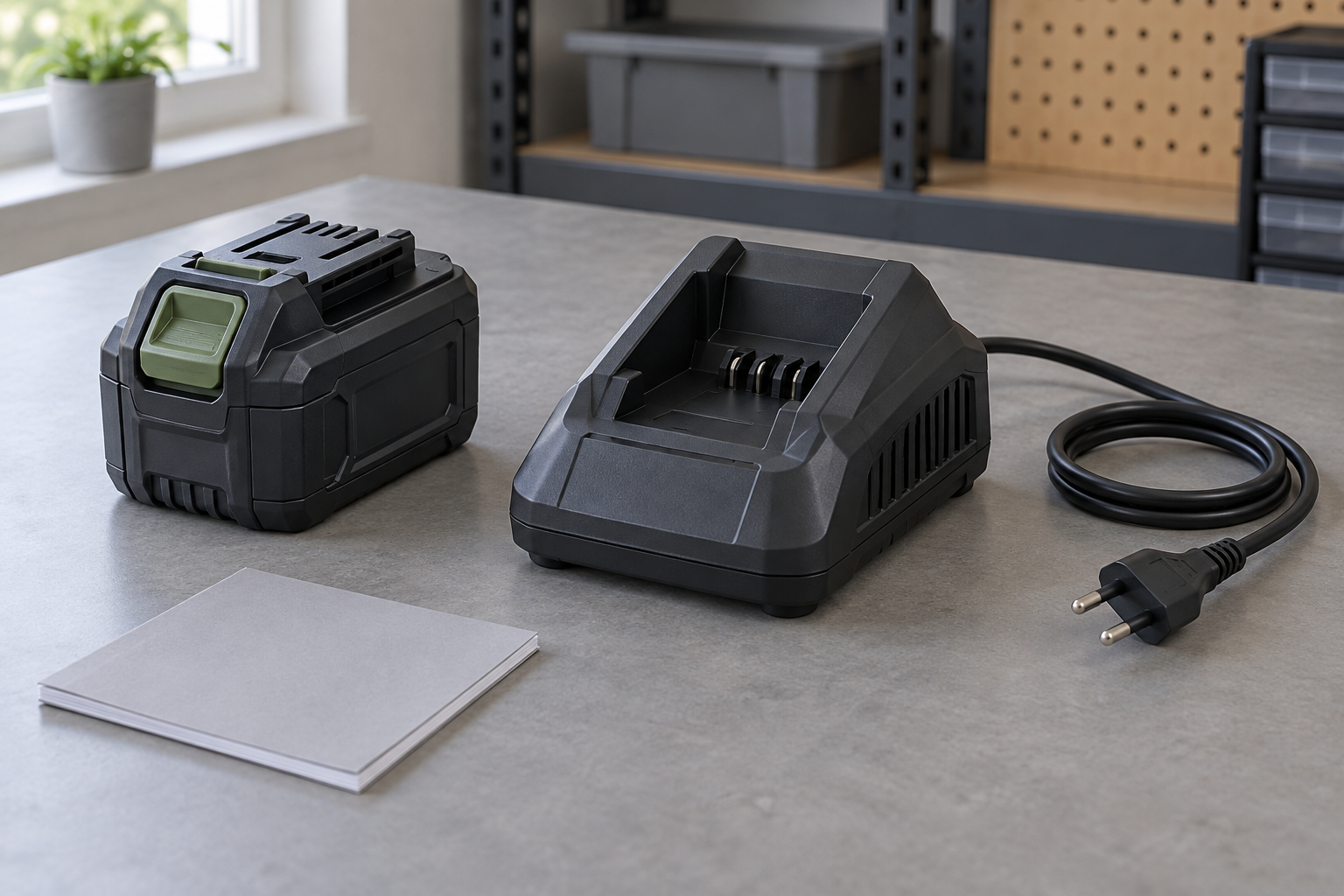
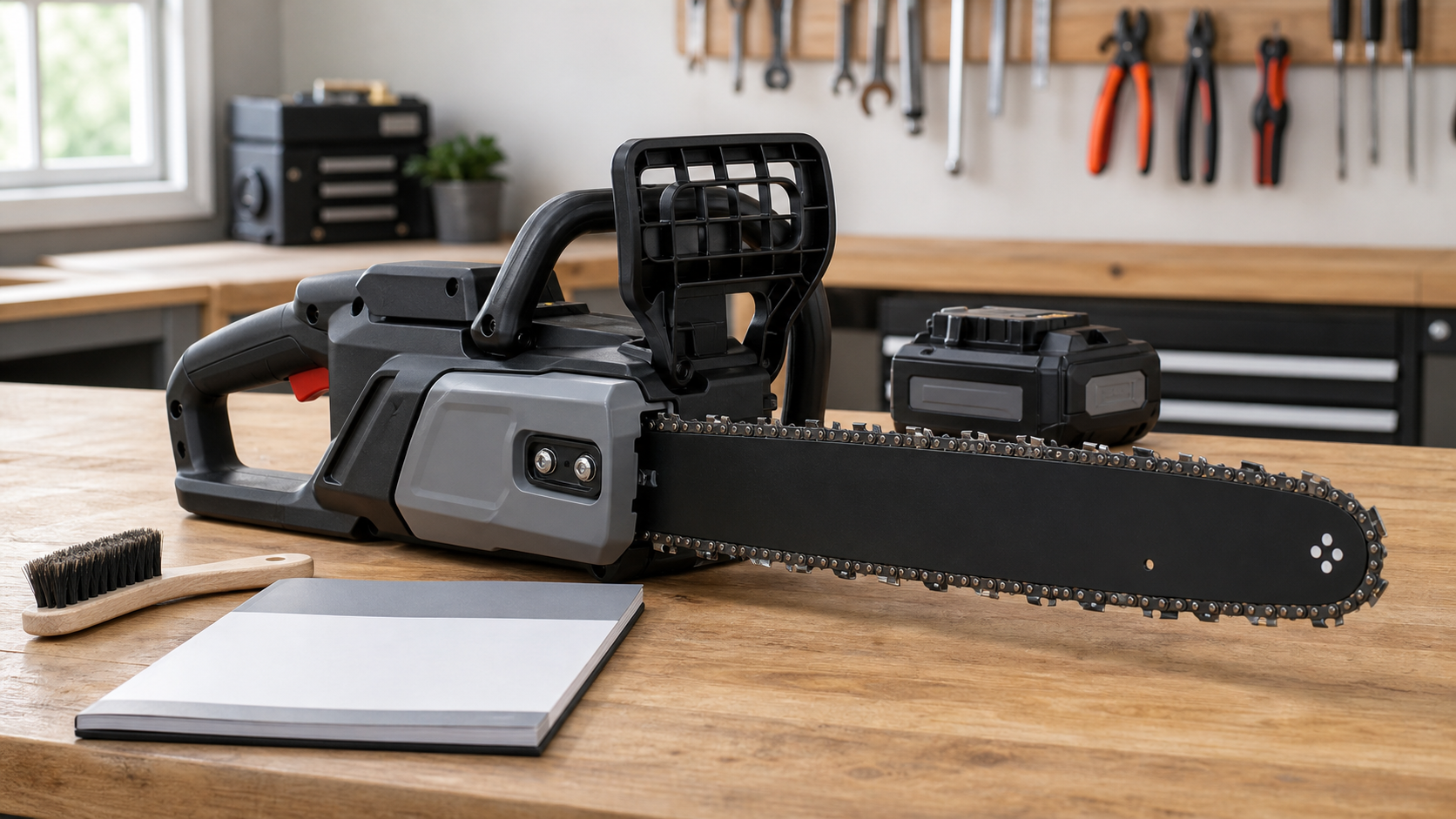
If your chainsaw battery is not charging, check the approved battery–charger pairing, power supply, seating and exact indicator message before deciding which part has failed. A temperature delay can prevent charging without proving a fault; damaged equipment or a persistent fault indication needs manufacturer-directed service, not an improvised battery repair. This guide is for detachable battery packs. The cover illustrates a powered-down inspection arrangement, not a particular compatible product pair. Identify your actual equipment from its labels and manuals before connecting it.

Read More arrow_forward
How to Transport a Chainsaw: Before Loading and After Arrival

How to Transport a Chainsaw: Before Loading and After Arrival

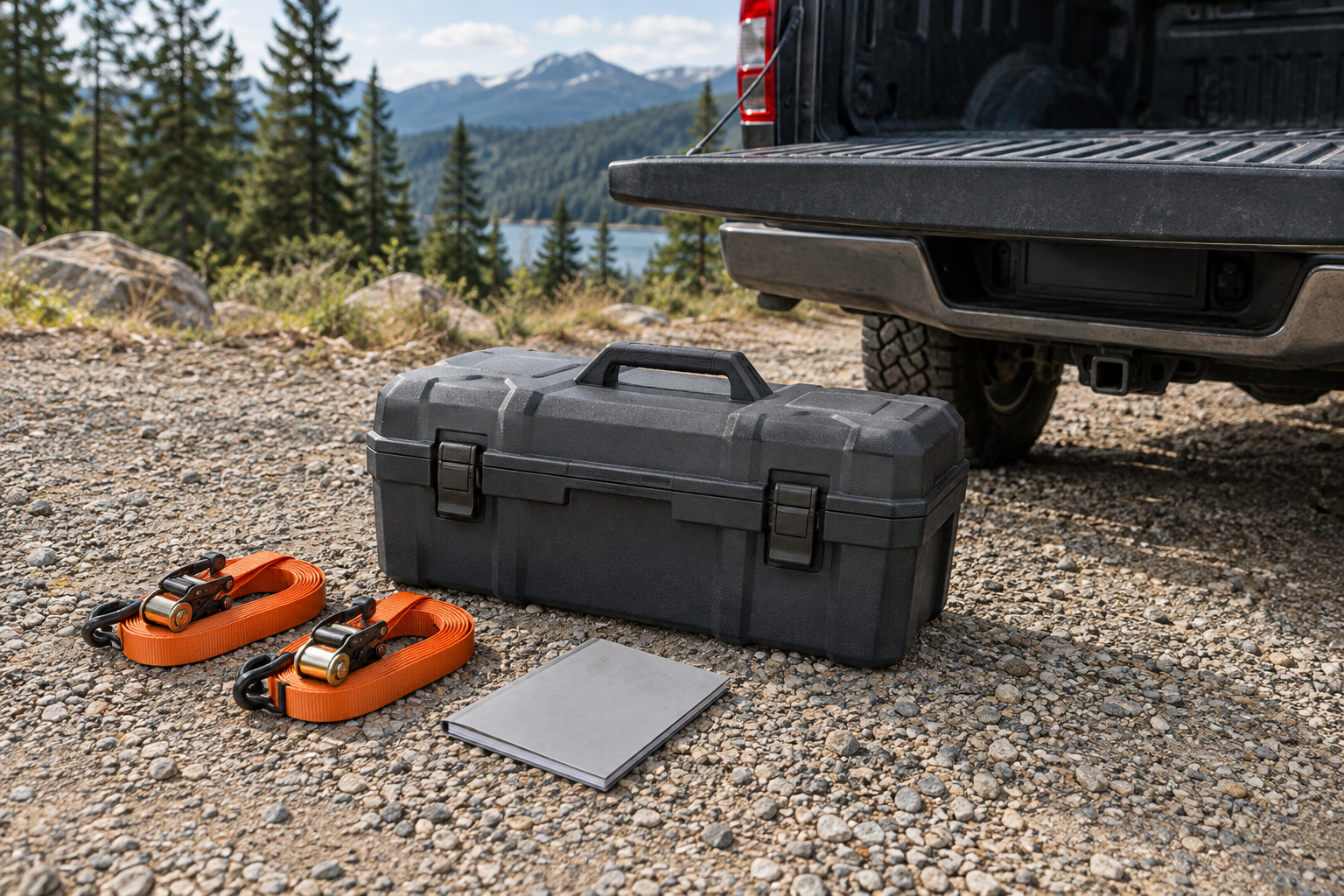
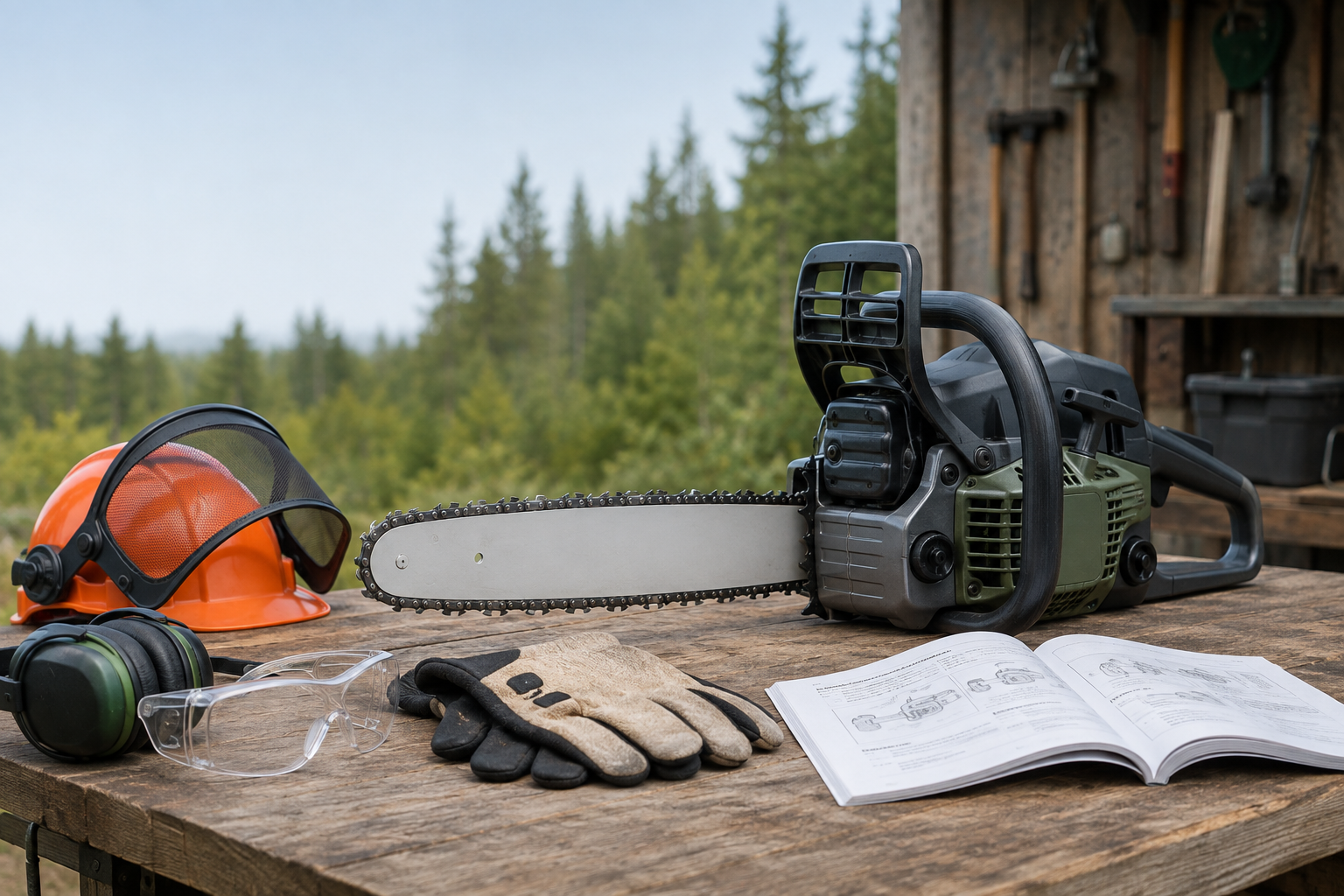
To transport a chainsaw, switch it off, let it cool, engage the chain brake, fit the bar guard, and secure the saw and its equipment against movement. Remove a detachable battery as its manual directs, and choose a cargo location outside the passenger compartment. This guide covers moving a saw by vehicle to a work site. The cover image shows preparation equipment before loading; it does not show a completed restraint arrangement. Use your saw, carrying-case and vehicle instructions to choose the actual equipment and attachment method.

Read More arrow_forward
Chainsaw Fuel Mix Ratio: Calculate the Oil Without Guessing

Chainsaw Fuel Mix Ratio: Calculate the Oil Without Guessing

The correct chainsaw fuel mix ratio is the petrol-to-two-stroke-oil ratio specified for your exact saw and oil; do not assume every saw takes 50:1. If your instructions specify 50:1, add 20 ml of the specified oil to each litre of petrol, or 100 ml to 5 litres. This guide is for preparing a fresh batch for a petrol chainsaw whose manual requires premixed fuel. It does not identify an unknown liquid or diagnose engine damage.

Read More arrow_forward
Electric Chainsaw Extension Cord: Choose Gauge and Length

Electric Chainsaw Extension Cord: Choose Gauge and Length

Choose an electric chainsaw extension cord by matching the exact saw manual’s requirements to the saw’s electrical rating and the full length of cord you need. There is no single gauge-and-length recommendation that applies to every corded chainsaw; a general cord chart cannot override the instructions for your model. This guide is for a homeowner selecting a cord before purchase or use. It does not diagnose household wiring, calculate a substitute electrical supply, or establish settings for a saw whose identity is unknown. Keep the saw unplugged while gathering the information below.

Read More arrow_forward
Chainsaw Kickback Safety Tips for Beginners

Chainsaw Kickback Safety Tips for Beginners

To reduce chainsaw kickback risk, keep the upper part of the guide-bar nose away from wood and hidden obstacles, plan how the cut could close, and keep both hands and your body positioned to control an unexpected reaction. Stop before cutting if you cannot see the bar nose, predict how the wood will move, confirm the saw’s safety features and cutting attachment, or maintain firm footing.

Read More arrow_forward
Chainsaw Bar Not Getting Oil? Trace the Oil Path

Chainsaw Bar Not Getting Oil? Trace the Oil Path

If your chainsaw bar and chain are not getting oil, stop cutting and do not keep running the chain to test it. Confirm the symptom only with the oil-output check in the exact operator manual, then trace the oil path from the reservoir to the bar before assuming the pump has failed. A dry-looking outer chain is not a complete diagnosis because much of the lubricant travels inside the bar rails. Better evidence is a missing oil trace during the maker’s approved check, a reservoir level that does not fall during normal use, or heat and wear appearing while the oil path remains dry.

Read More arrow_forward
Chainsaw Chain Won't Move? Diagnose It Powered Down

Chainsaw Chain Won't Move? Diagnose It Powered Down

If the chainsaw motor runs but the chain won’t move, stop applying throttle and switch the saw off. After disabling its power source exactly as the operator manual directs, use the chain’s hand-movement result to separate a brake, tension, installation, or debris problem from a clutch or drive fault that needs service. This article is for a motor that runs while the chain remains stationary. If the motor will not start, cannot accelerate, or dies when you press the throttle, that is a different diagnostic job. Do not keep revving against a chain that is locked: the useful evidence comes from a cooled, disabled saw.

Read More arrow_forward
Chainsaw Chain Keeps Coming Loose? Check This First

Chainsaw Chain Keeps Coming Loose? Check This First

If a chainsaw chain keeps coming loose, stop cutting, let the saw cool, and do not tighten it again until you know whether the bar moved or the chain fit changed around the loop. Slack that returns immediately points toward mounting or tensioner trouble; slack that appears with heat or varies around the bar points toward lubrication, chain, bar, or sprocket evidence.

Read More arrow_forward
home Home shopping_cart Shop menu_book Guides construction Tools person Account