menu
KONKELL CHAINSAW SHARPENER
Page 4 of 5
Chainsaw File Size Guide: Match the Chain, Not Just the Pitch Chainsaw Sharpening

Chainsaw File Size Guide: Match the Chain, Not Just the Pitch

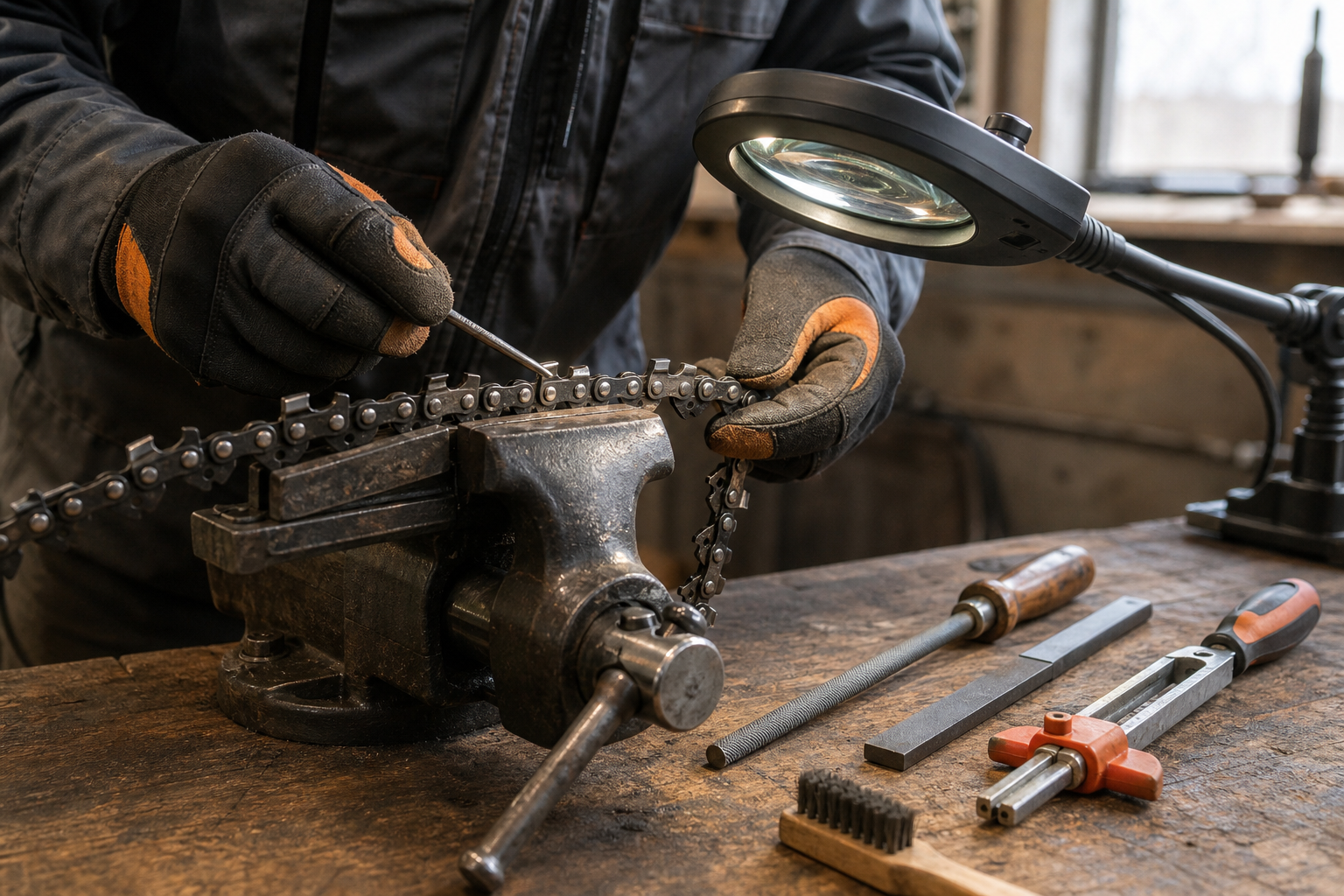
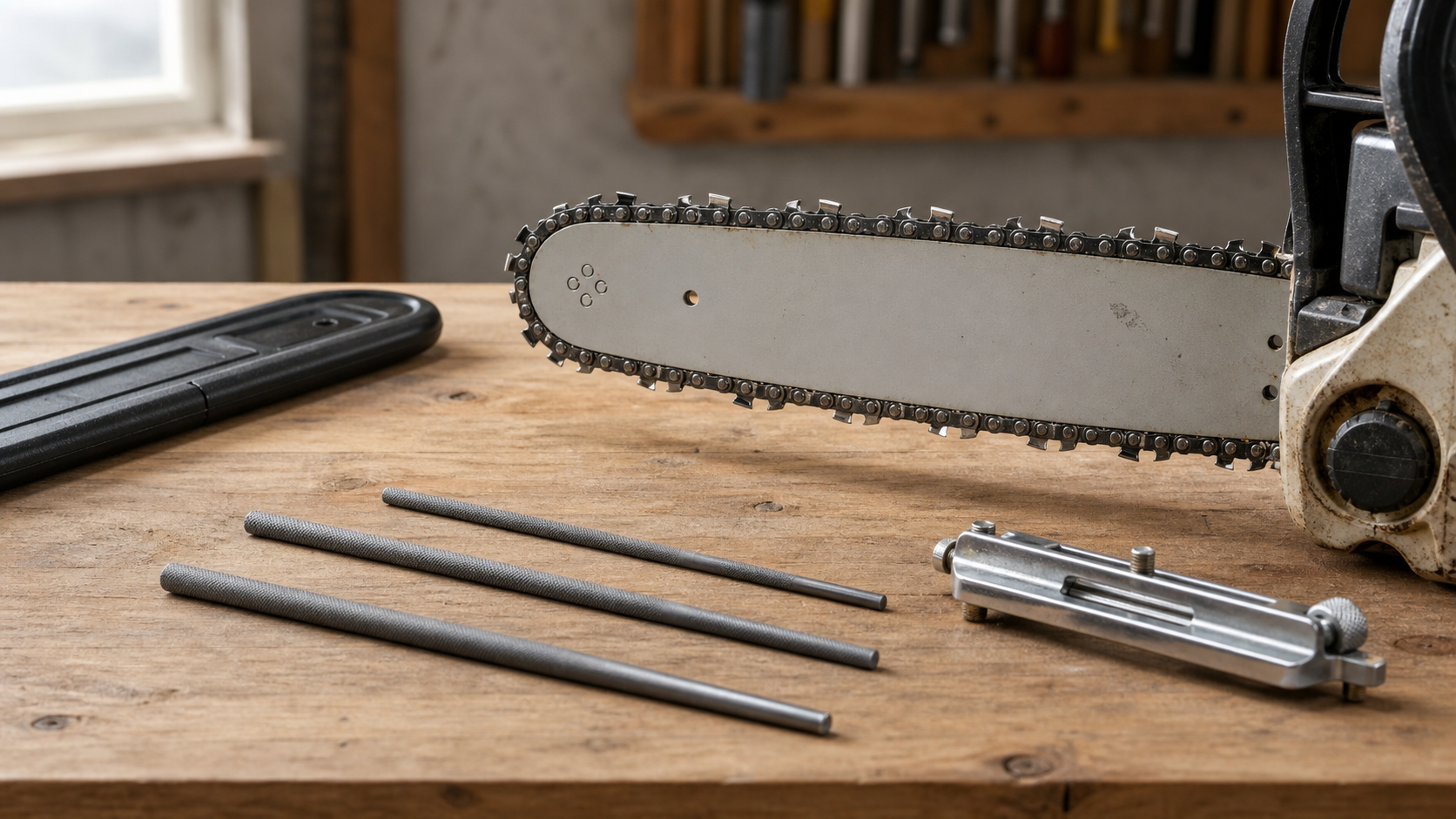
The correct chainsaw file size is the diameter specified for your exact chain model, not a size guessed from bar length or pitch alone. Find the chain code on the cutter or drive link, the package, or the saw manual; then confirm it in that chain maker’s current filing chart before touching the cutter. Use this identification order A pitch label narrows the search, but it may not finish it. STIHL, for example, specifies different files for standard 3/8-inch chain and 3/8-inch PICCO chain. Husqvarna’s current chart likewise separates mini chain families from full-size chains.

Read More arrow_forward
Chainsaw Cutters Different Lengths? How to Correct the Chain Chainsaw Sharpening

Chainsaw Cutters Different Lengths? How to Correct the Chain

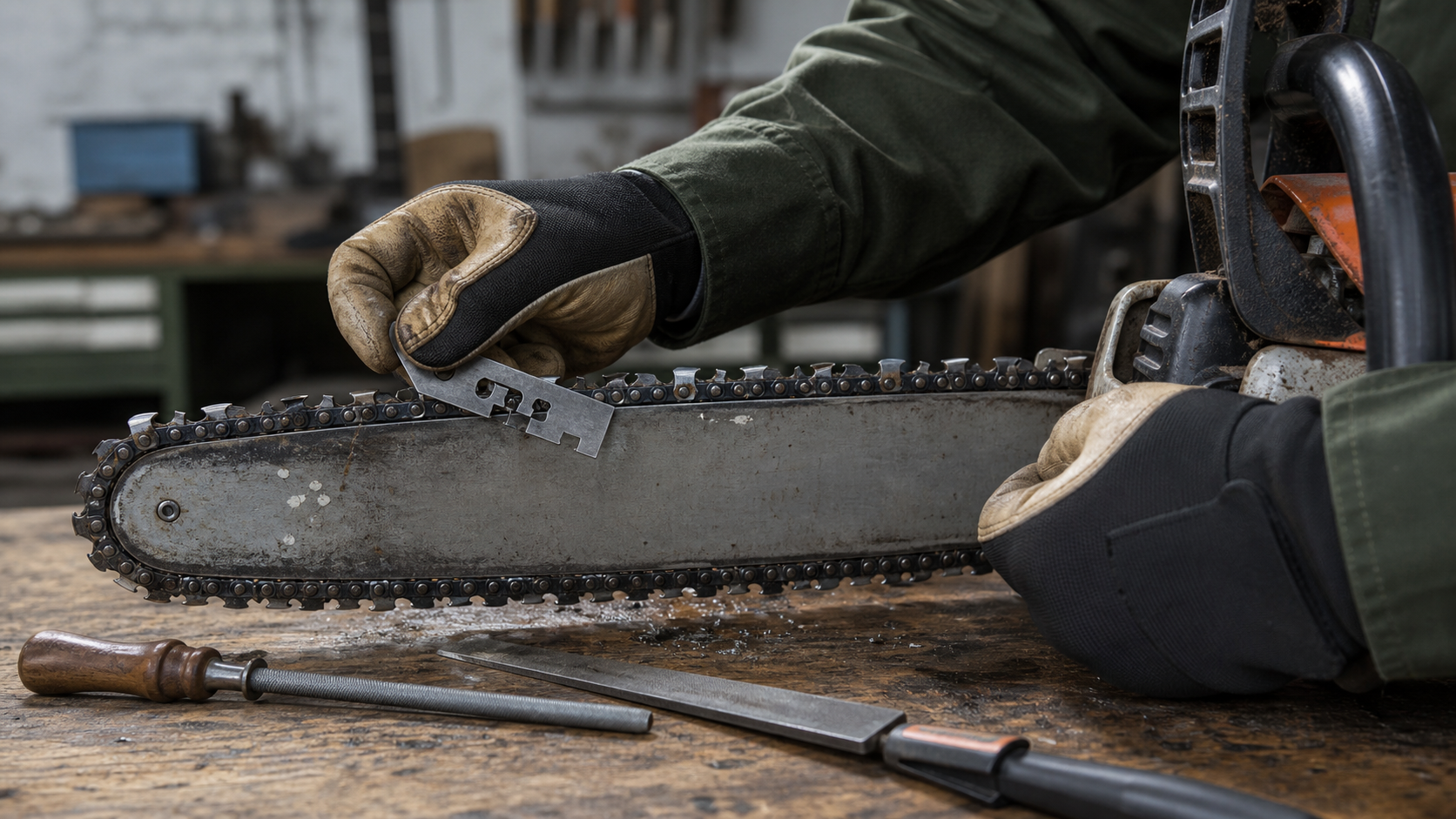
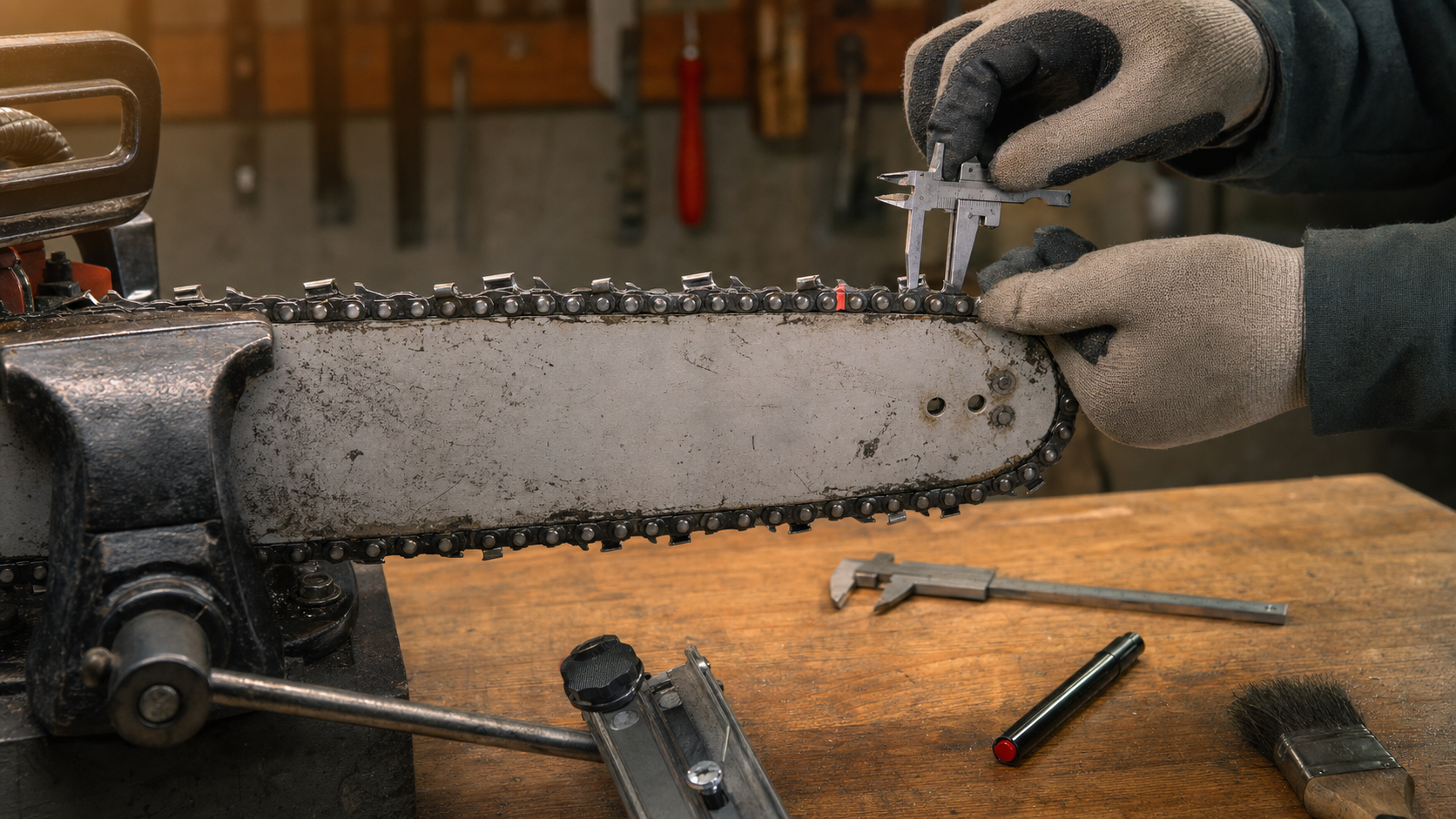
Chainsaw cutters of different lengths need inspection before you file the whole loop shorter. A slight random variation is not the same fault as every left-hand cutter being shorter than every right-hand cutter, and one rocked tooth should not dictate an aggressive correction unless the rest of the chain still has enough service life. The practical goal is a loop with sharp, reasonably consistent cutters and depth gauges checked against the corrected cutter geometry. This bench method helps you decide what to match, what to leave alone, and when the chain is no longer worth reworking.

Read More arrow_forward
Chainsaw Still Dull After Sharpening? Diagnose the Chain Before Filing Again Chainsaw Sharpening

Chainsaw Still Dull After Sharpening? Diagnose the Chain Before Filing Again

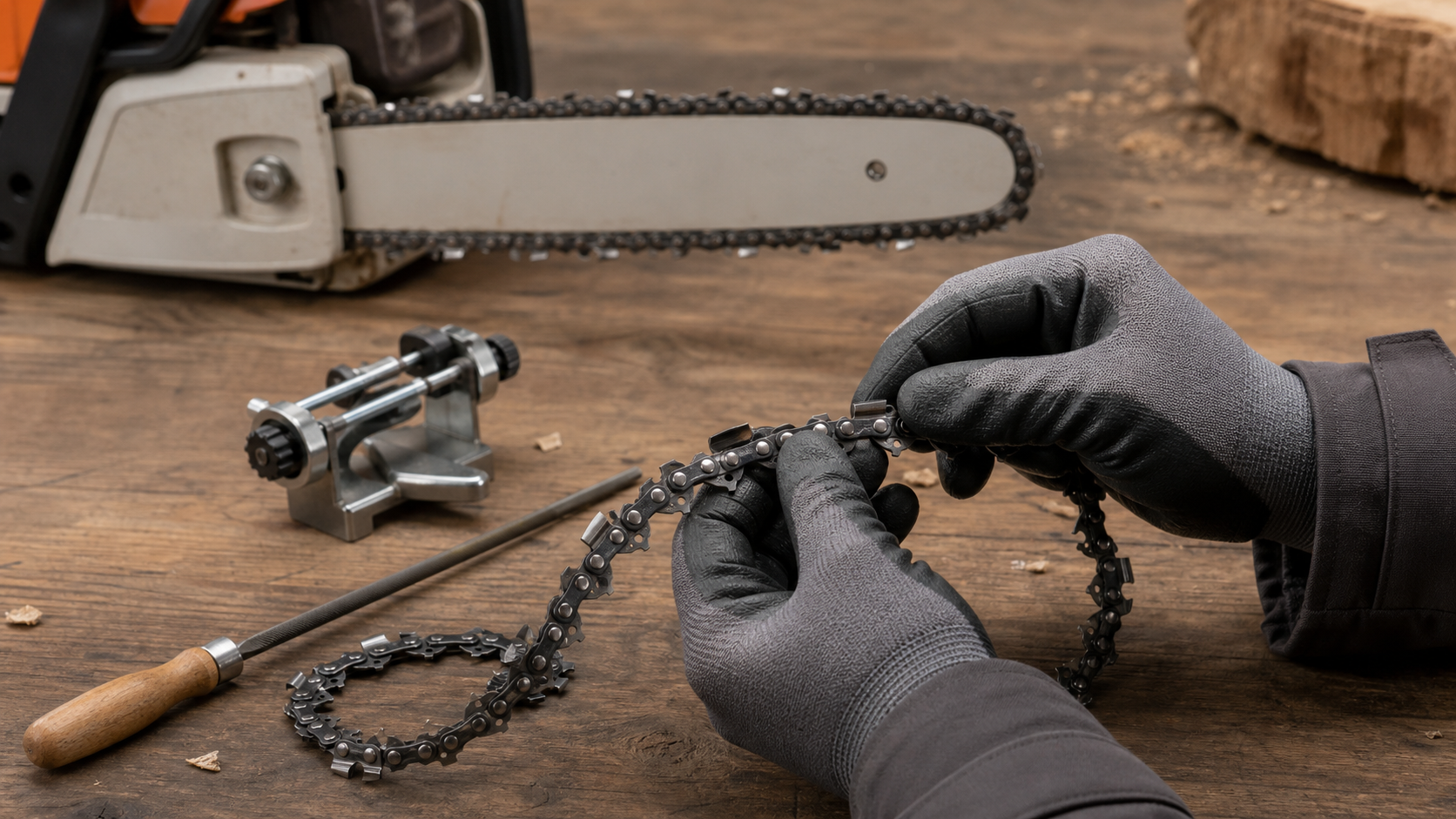
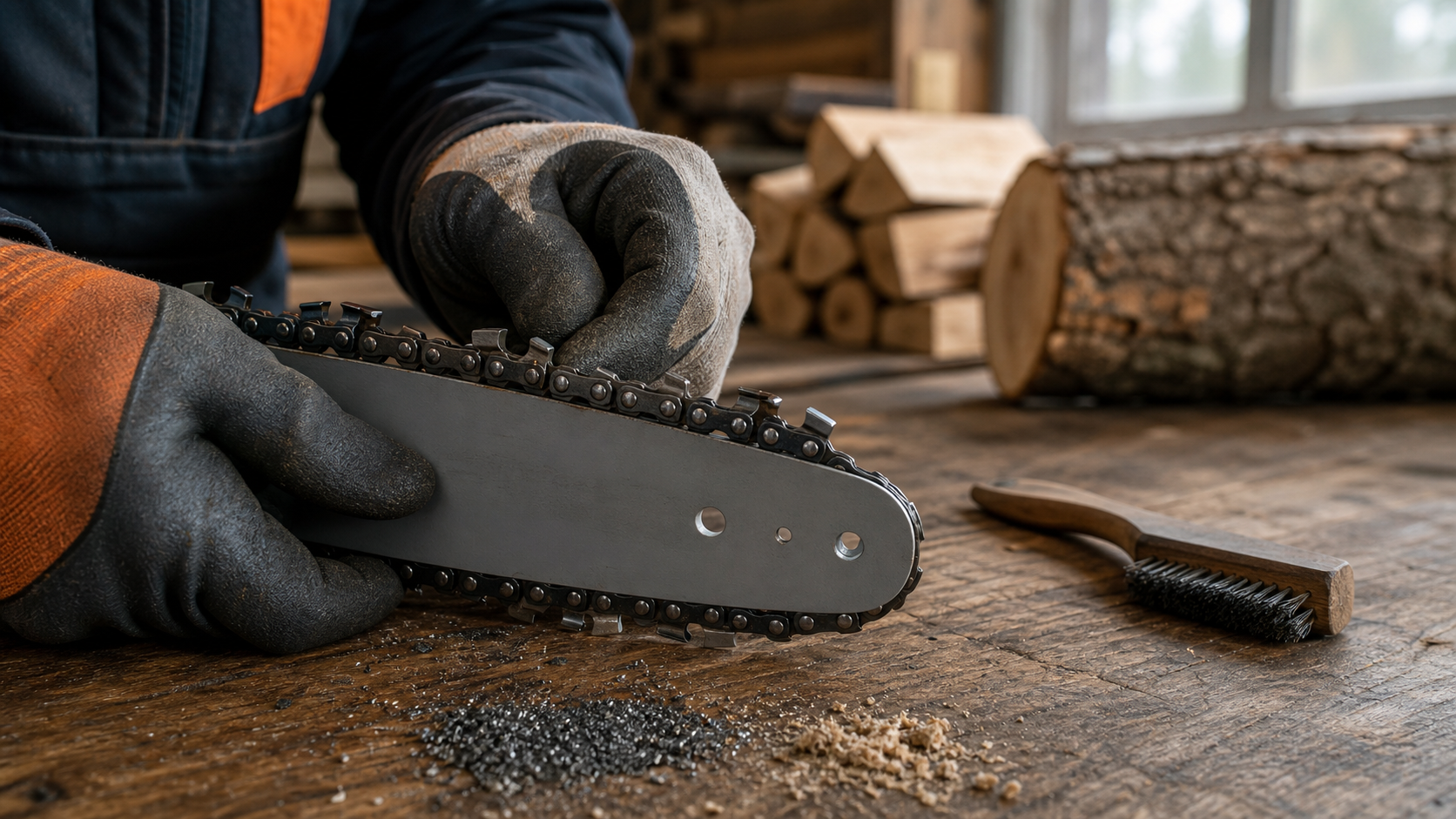
A chainsaw that is still dull after sharpening usually has a cutting edge that was not fully restored, depth gauges that no longer match the shortened cutters, or inconsistent cutter geometry around the loop. Do not start another full sharpening pass until you know which fault you are correcting. This guide is for homeowners, firewood cutters, and workshop users who have just filed or ground a chain but still need to push the saw through clean wood. Put the saw aside, clean the chain enough to see bare metal, and work through the checks in order.

Read More arrow_forward
Chainsaw Chain Chatters After Sharpening: What to Check Chainsaw Troubleshooting

Chainsaw Chain Chatters After Sharpening: What to Check

A chainsaw chain that chatters after sharpening is usually taking an uneven or overly aggressive bite. Stop cutting and inspect the chain before trying to force it through another log. The common causes are depth gauges filed too low, hooked cutter profiles, inconsistent cutter lengths, incorrect tension, or a worn guide bar that no longer supports the chain squarely. Do not diagnose the problem while the chain is moving. Shut the saw down, let it cool, isolate its starting system as directed in the manual, and wear gloves while handling the chain. A short workshop inspection can separate a sharpening error from a bar, sprocket, or chain-condition problem.

Read More arrow_forward
How Often Should You Sharpen a Chainsaw Chain? Chainsaw Maintenance

How Often Should You Sharpen a Chainsaw Chain?

Sharpen a chainsaw chain when its cutting behavior changes—not after an arbitrary number of cuts, fuel tanks, or hours. A chain that produces coarse chips, feeds into sound wood without being forced, and tracks straight may not need filing. Stop and inspect it when the chips turn dusty, feed pressure rises, the cut slows, or the saw starts pulling or vibrating differently.

Read More arrow_forward
Chainsaw Sharpener Burns Cutters: Stop Blue Teeth Before They Fail Chainsaw Sharpening

Chainsaw Sharpener Burns Cutters: Stop Blue Teeth Before They Fail

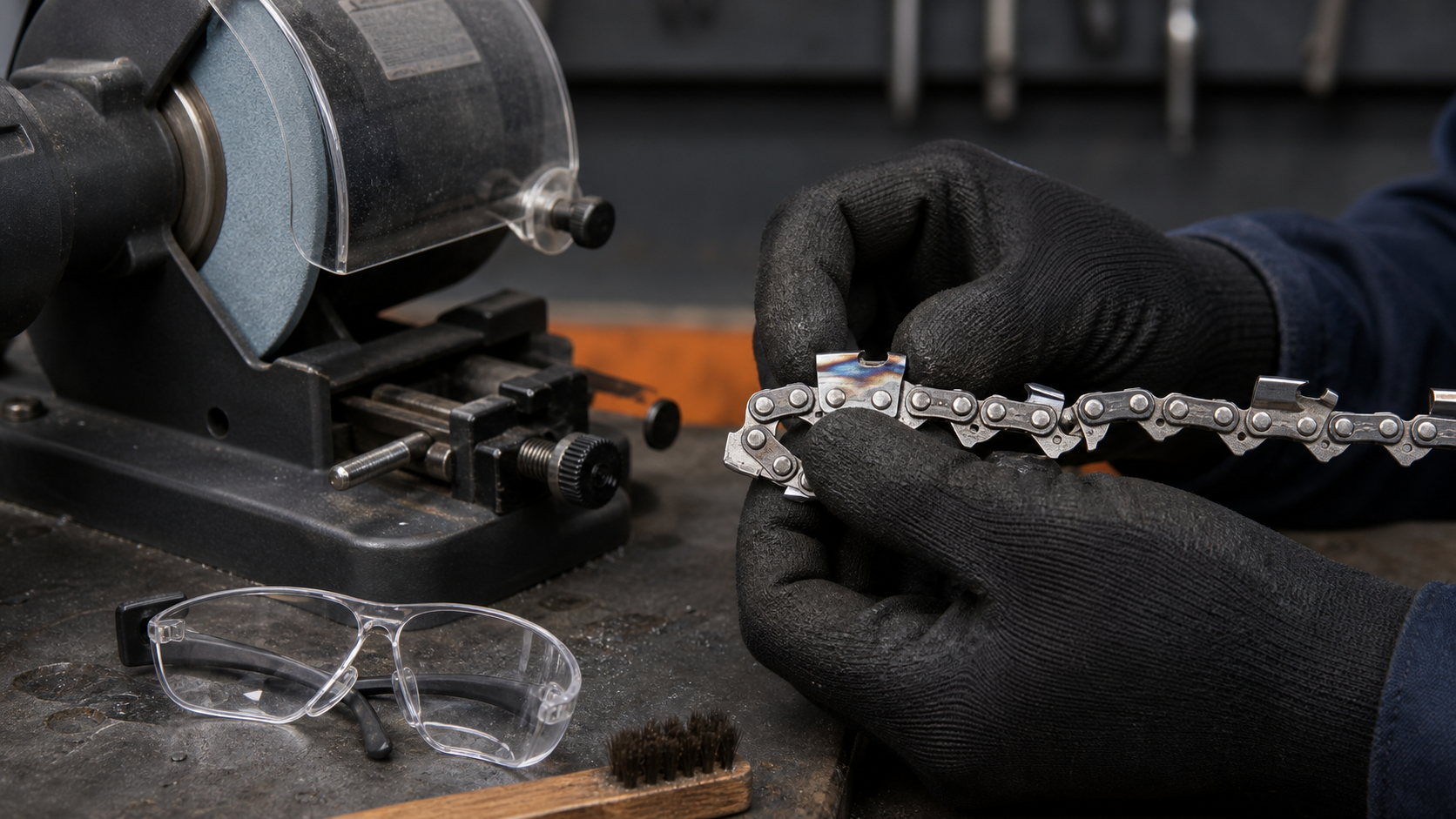
A chainsaw sharpener burns cutters when the grinding wheel puts heat into the cutting edge faster than the metal can shed it. A faint straw, brown, blue, or purple band after grinding is a warning to stop. Long wheel contact, heavy pressure, a glazed wheel, or an incorrect setup can all create that heat. Do not keep grinding the rest of the loop and hope the color will disappear. Mark the affected cutter, switch off the machine, and inspect the chain and grinder. The safest correction starts with finding the cause, not taking another deep pass.

Read More arrow_forward
Why Does My Chainsaw Chain Dull So Quickly? Chainsaw Maintenance

Why Does My Chainsaw Chain Dull So Quickly?

A chainsaw chain that dulls quickly is usually touching abrasive material, leaving the sharpener with a weak or incomplete edge, or running with poor lubrication or an incorrect setup. Do not sharpen it again until you identify which one. Repeatedly removing metal may hide the evidence and shorten a chain that was not the original problem. Start with the last few cuts. Soil on the underside of a log, gritty bark, a stone, or hidden metal can round a fresh edge in seconds. If the cutting path was clean, move to the cutter shape, oil delivery, tension, guide bar, and the chain’s remaining condition.

Read More arrow_forward
When to Replace a Chainsaw Sharpener Grinding Wheel Chainsaw Maintenance

When to Replace a Chainsaw Sharpener Grinding Wheel

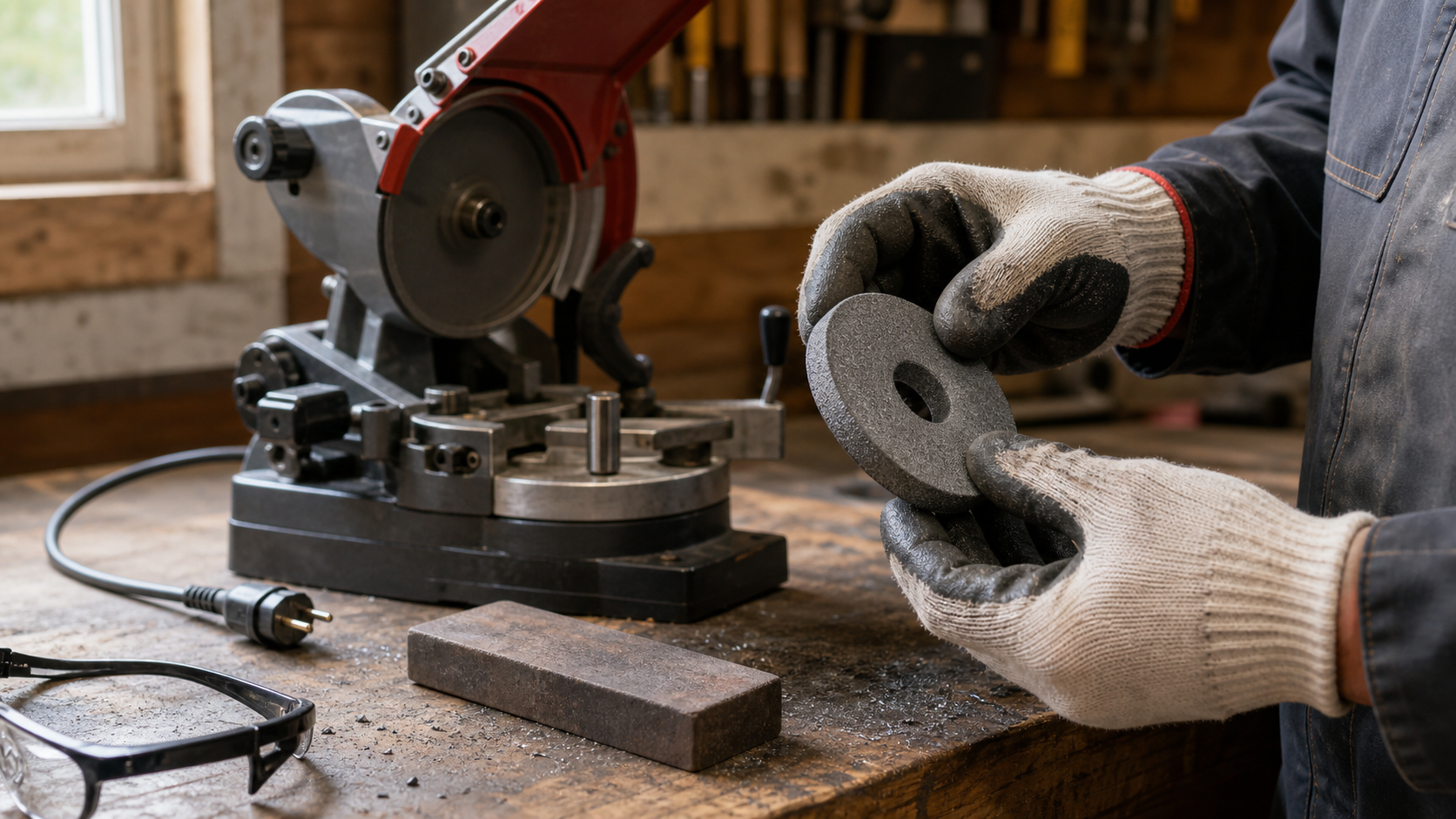
A chainsaw sharpener grinding wheel should be replaced when it is cracked, chipped, wobbling, vibrating abnormally, or too worn to hold the profile required by the grinder manual. A wheel that is merely loaded with metal or slightly out of shape may only need dressing. The distinction matters: dressing exposes fresh abrasive and restores the working edge, but it cannot repair structural damage or recover material that is already gone.

Read More arrow_forward
Chainsaw Making Sawdust After Sharpening: What to Check First Chainsaw Sharpening

Chainsaw Making Sawdust After Sharpening: What to Check First

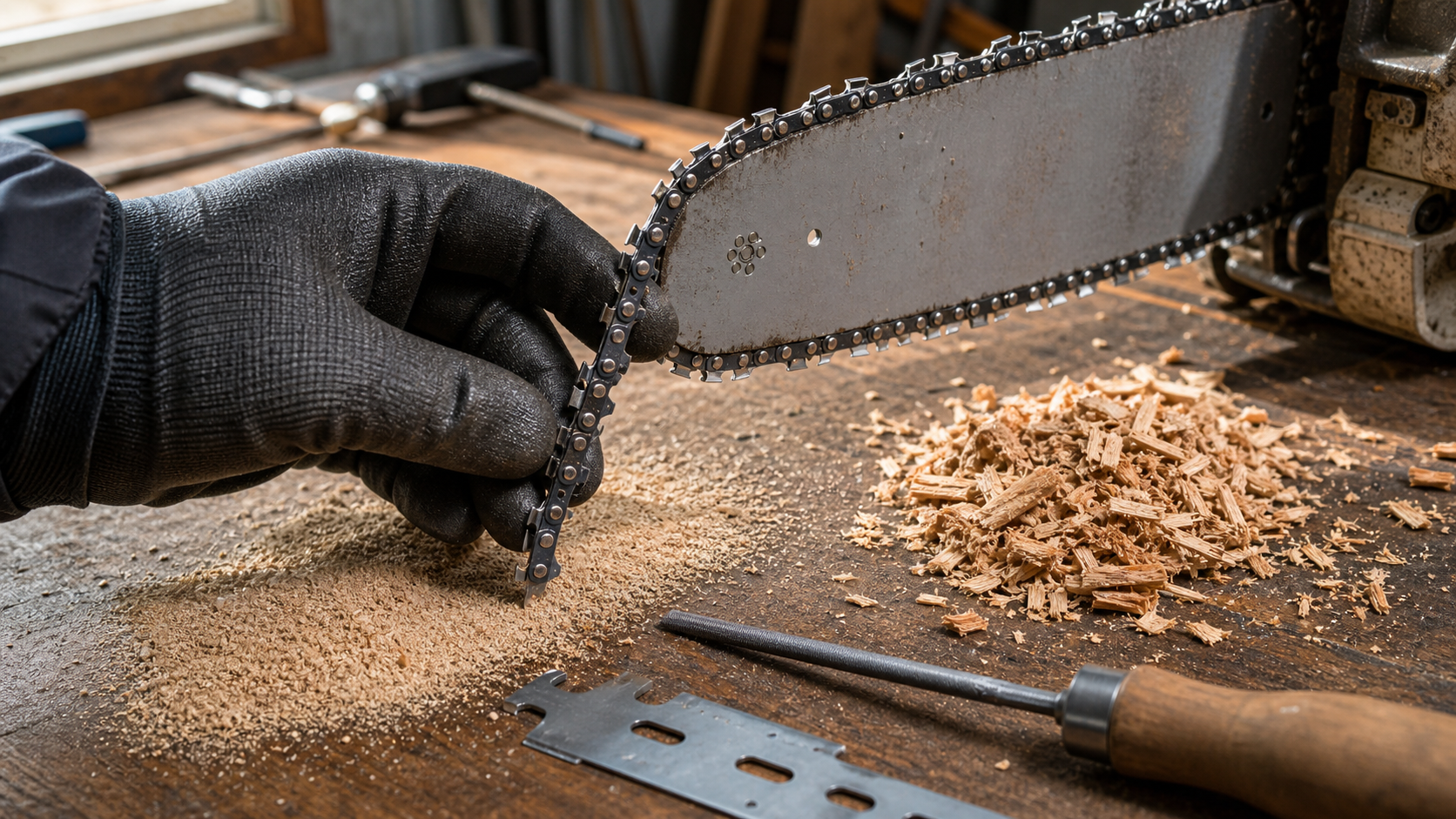
A chainsaw that makes fine dust after sharpening is usually not taking a clean bite, even if the cutter tips feel sharp to your finger. A good chain should pull itself into the wood and throw recognizable chips. Powdery dust means something in the cutter edge, depth gauge, bar setup, or cutting conditions is holding the chain back. This guide is for homeowners, firewood cutters, and small-shop users who sharpen their own chains and need a practical bench check before removing more metal.

Read More arrow_forward
home Home shopping_cart Shop menu_book Guides construction Tools person Account