menu
KONKELL CHAINSAW SHARPENER
Category Archive

Maintenance

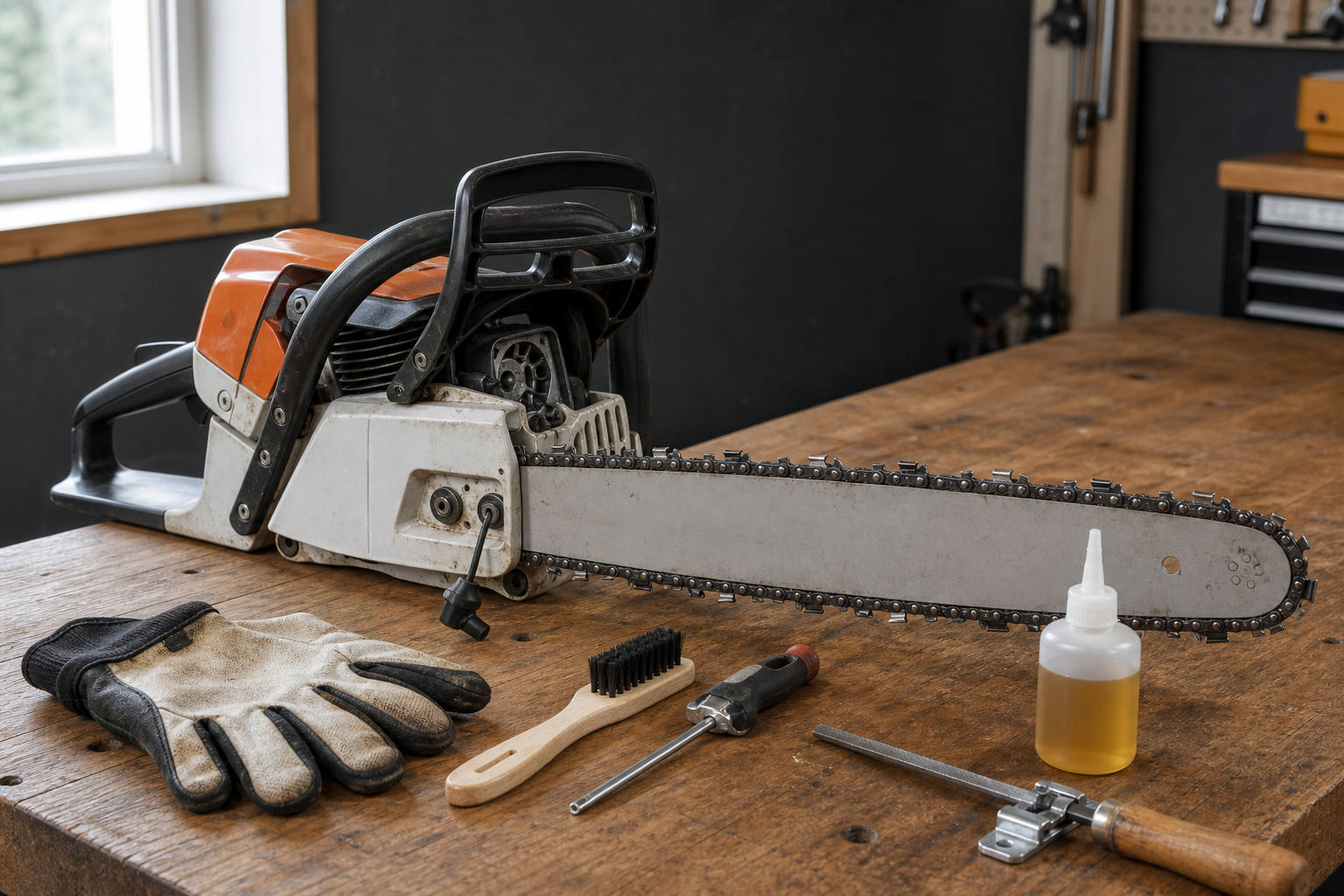
When to Replace a Chainsaw Chain: Inspect Before Sharpening

When to Replace a Chainsaw Chain: Inspect Before Sharpening

Replace a chainsaw chain when it has a crack, a broken or bent cutter or drive link, missing parts, or wear beyond the chain maker’s service marks. If the loop is intact and the cutters remain serviceable, sharpen it once with the correct equipment, then judge the result before buying a replacement.

Read More arrow_forward
When to Replace a Chainsaw Guide Bar: Inspect Before You Buy

When to Replace a Chainsaw Guide Bar: Inspect Before You Buy

Replace a chainsaw guide bar when it is bent, cracked, badly heat-damaged, unable to support the chain squarely, or worn beyond the limits in the bar or saw manual. Clean it before judging it: packed residue, a blocked oil hole, or a removable burr can resemble terminal wear without making the bar scrap. Start with four outcomes, not one symptom A crooked cut, hot bar, unstable chain, or recurring derailment can point toward bar trouble, but none identifies the bar by itself. Cutter geometry, chain tension, lubrication, component mismatch, mounting, and sprocket wear can create similar evidence.

Read More arrow_forward
Chainsaw Oil Leaks When Stored? Trace the Drip Before Repairing

Chainsaw Oil Leaks When Stored? Trace the Drip Before Repairing

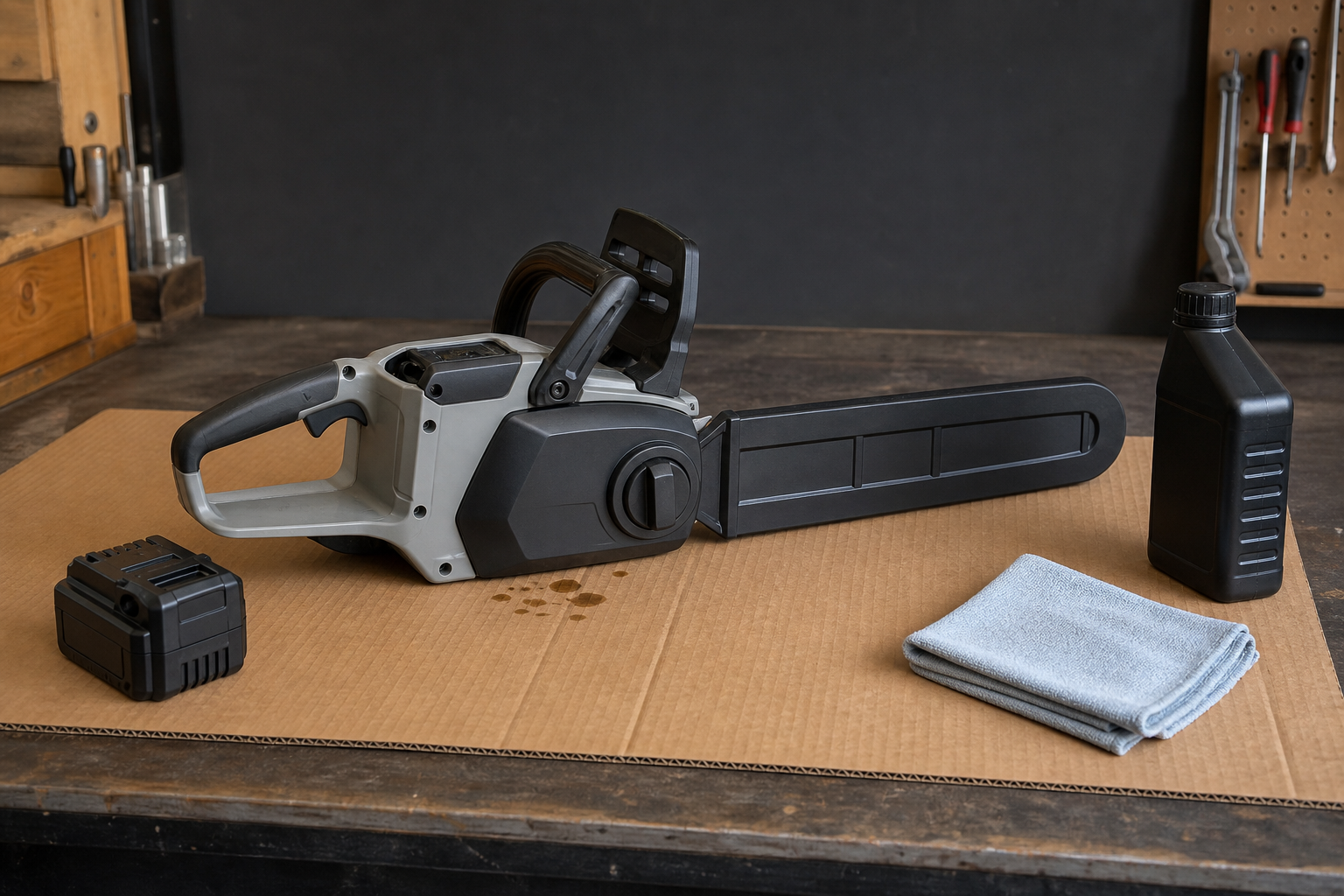
A few oil spots under a recently used chainsaw can be bar oil draining from the guide-bar groove, chain, clutch-cover area, or recesses in the saw body. A clean spot that keeps growing, begins away from the cutting attachment, or returns after the saw has been cleaned and left unused deserves a model-specific inspection rather than an assumed repair.

Read More arrow_forward
How to Identify a Chainsaw Chain Before Buying a Replacement

How to Identify a Chainsaw Chain Before Buying a Replacement

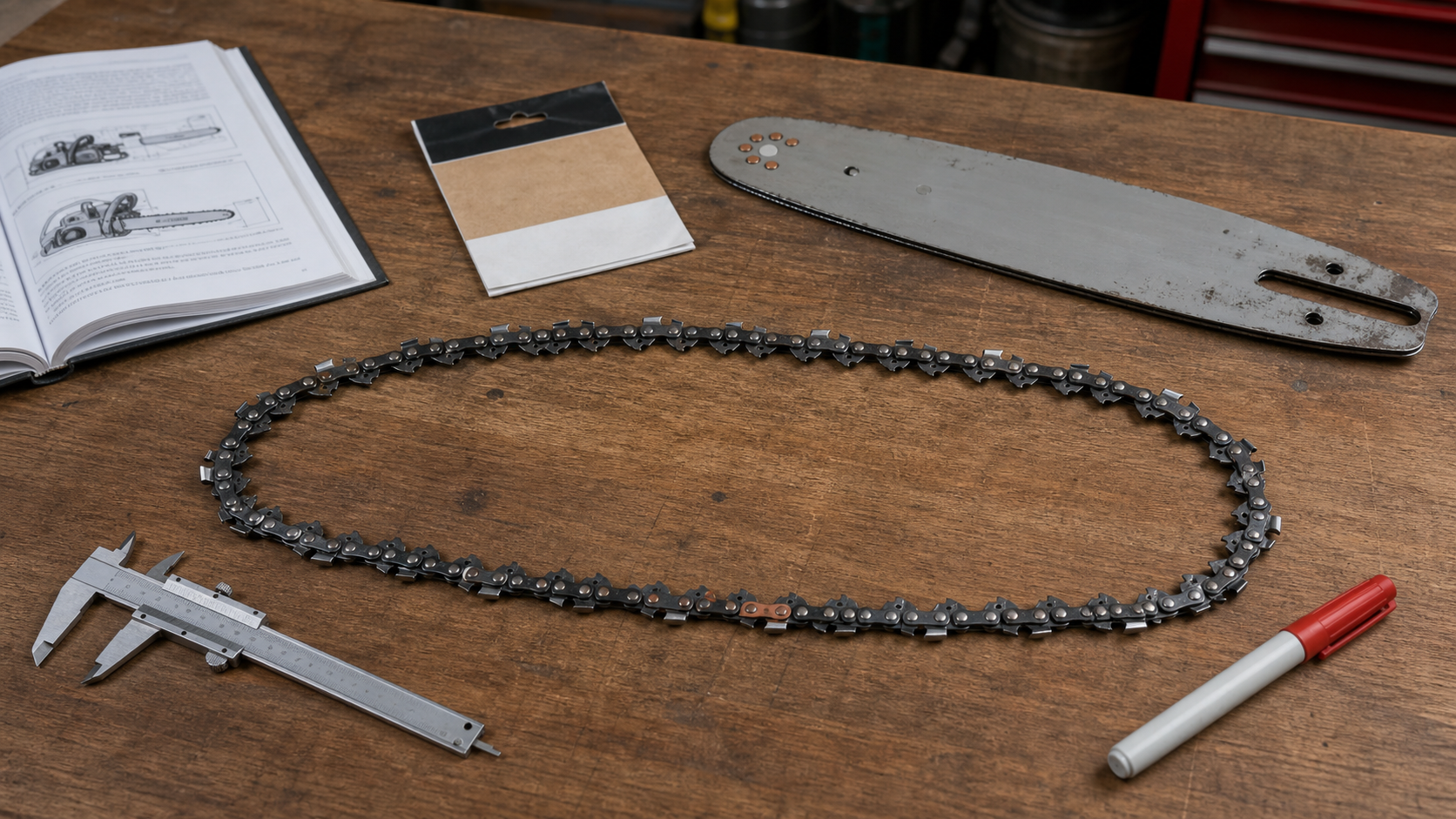
To identify a chainsaw chain for replacement, confirm three values: pitch, drive-link gauge, and the number of drive links. Read them from the guide bar, chain markings, packaging, manual, or manufacturer lookup before attempting to measure a worn chain. Bar length alone is not a chain size. Two saws described as having the same bar length can use different drive-link counts, and a pitch label does not tell you the gauge.

Read More arrow_forward
Chainsaw Chain Keeps Coming Loose? Find What Is Moving

Chainsaw Chain Keeps Coming Loose? Find What Is Moving

If a chainsaw chain keeps coming loose, stop cutting and let it cool before adjusting it again. One small change during a new chain’s run-in can be normal; slack that returns repeatedly points to the mounting sequence, poor lubrication, a mismatched or damaged chain, a worn bar or sprocket, or a tensioner that is not holding position.

Read More arrow_forward
How to Store a Chainsaw: Gas and Battery Checklist

How to Store a Chainsaw: Gas and Battery Checklist

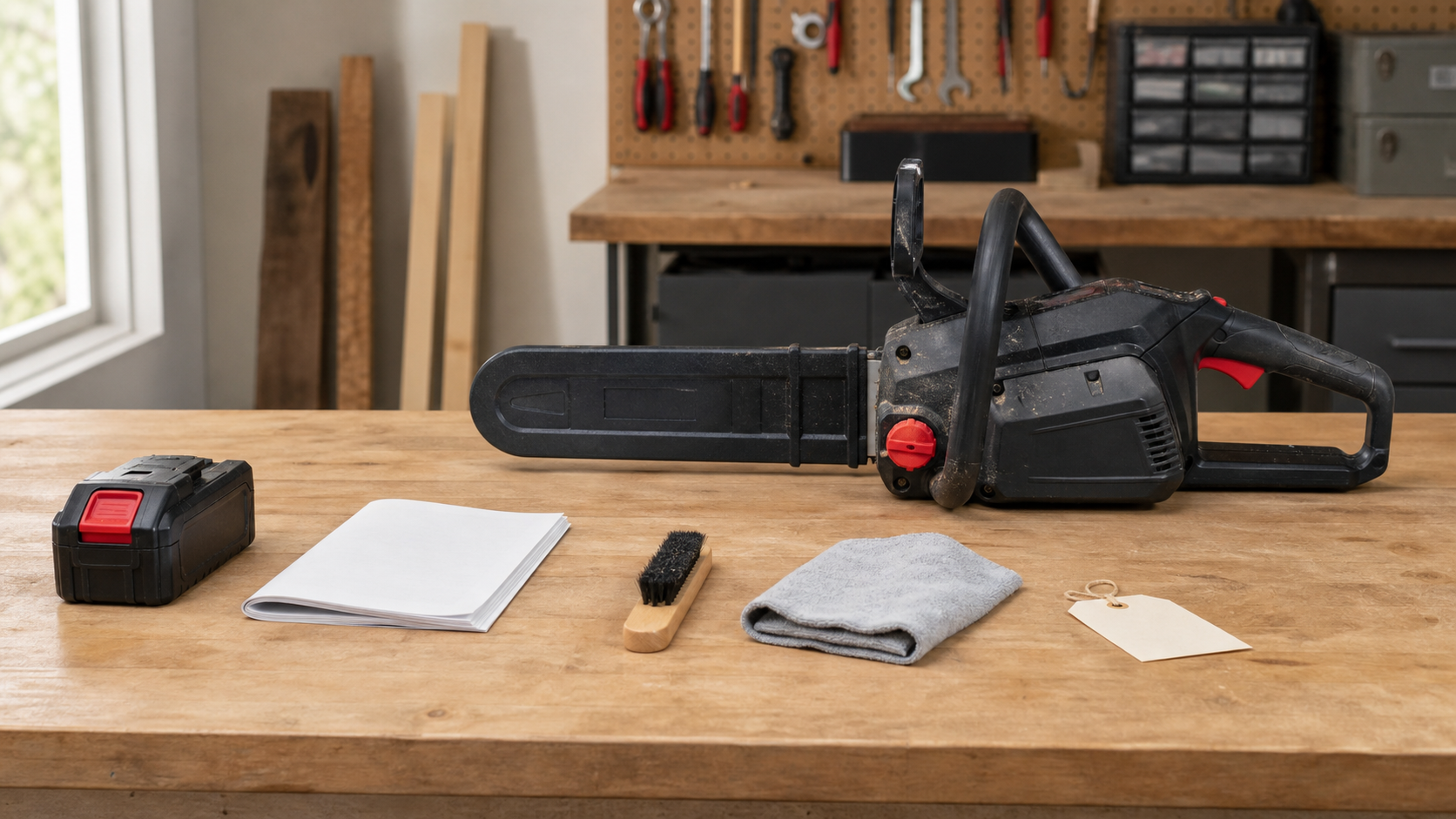
To store a chainsaw for more than a short break, disable its power source, clean and inspect the cutting attachment, protect bare metal, and keep the saw dry, secured, and covered by a scabbard. Gas and battery saws then split into different storage paths, so use the owner’s manual for the fuel, oil, battery charge, and temperature instructions for your exact model.

Read More arrow_forward
Chainsaw Chain Tension Guide for Safer Cutting

Chainsaw Chain Tension Guide for Safer Cutting

Welcome to our Chainsaw Chain Tension Guide! This guide is specifically tailored for beginners in chainsaw operation who want to learn how to recognize loose or overtightened chains and safely adjust tension. Proper chain tension is vital for effective cutting and overall chainsaw performance, ensuring both safety and efficiency. Pre-Cutting Checks for Chain Tension Before you begin cutting, conducting a thorough inspection of your chainsaw’s chain tension is crucial. Follow these steps to ensure you’re set for safe operation:

Read More arrow_forward
Chainsaw Bar Oil Troubleshooting: Why the Chain Runs Dry

Chainsaw Bar Oil Troubleshooting: Why the Chain Runs Dry

If you’re a chainsaw user experiencing smoke, dry chains, or rapid bar wear, this guide is tailored for you. It addresses the common issue of inadequate chain lubrication and provides actionable steps to diagnose and remedy the problem before significant damage occurs. By the end, you’ll be equipped to ensure your chainsaw operates smoothly and efficiently. Symptoms of Insufficient Chain Lubrication When your chainsaw struggles to maintain proper lubrication, several symptoms may arise. Here are the telltale signs that indicate you might have a chainsaw bar oil issue:

Read More arrow_forward
home Home shopping_cart Shop menu_book Guides person Account