menu
KONKELL CHAINSAW SHARPENER
Category Archive

Chainsaw Safety

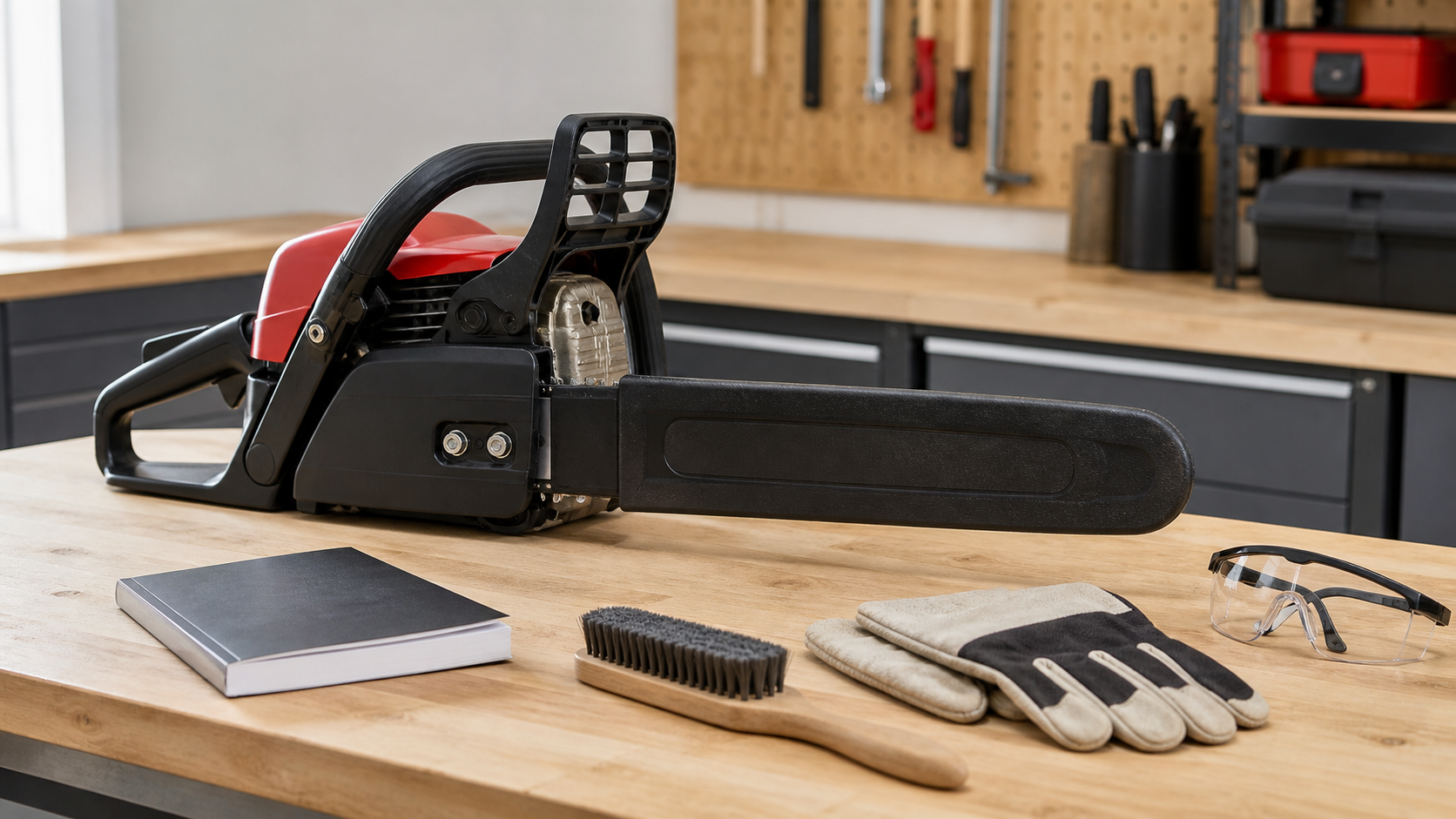
Broken Chainsaw Chain Catcher? What to Check

Broken Chainsaw Chain Catcher? What to Check

If your chainsaw’s chain catcher is bent, cracked, loose or missing, keep the saw out of service until the correct repair is complete. If the chain came off the bar, check the catcher, its mounting area and the cutting attachment under your model’s instructions before refitting the chain or restarting the saw. Find the catcher in your model’s diagram Switch the saw off and isolate its power as the manual directs. Let it cool and wear protective gloves if you need to handle the stationary chain. The catcher sits near the cutting attachment and helps limit the travel of a thrown or broken chain. Look for the part named chain catcher in the operator’s manual or official parts diagram. For example, the Husqvarna 225i manual labels it in the pre-use figure and gives a separate figure for checking its attachment.

Read More arrow_forward
Can You Use a Battery Chainsaw in the Rain?

Can You Use a Battery Chainsaw in the Rain?

You can use a battery chainsaw in the rain only when its manufacturer permits that use for the exact saw and battery combination, and the worksite conditions allow the job. If the instructions prohibit rain use or you cannot establish permission, postpone the work. Why two cordless saws can have different answers Battery power alone does not establish weather suitability. The STIHL MSA 60.0 C/70.0 C manual explicitly prohibits using those saws in rain and directs owners to protect their AK batteries from moisture. Husqvarna, by contrast, lists particular cordless chainsaws—including the 350i, 340i and 435i—as suitable for rain use in its BLi-X support guidance.

Read More arrow_forward
When to Replace a Chainsaw Helmet: Age, Impact and Wear

When to Replace a Chainsaw Helmet: Age, Impact and Wear

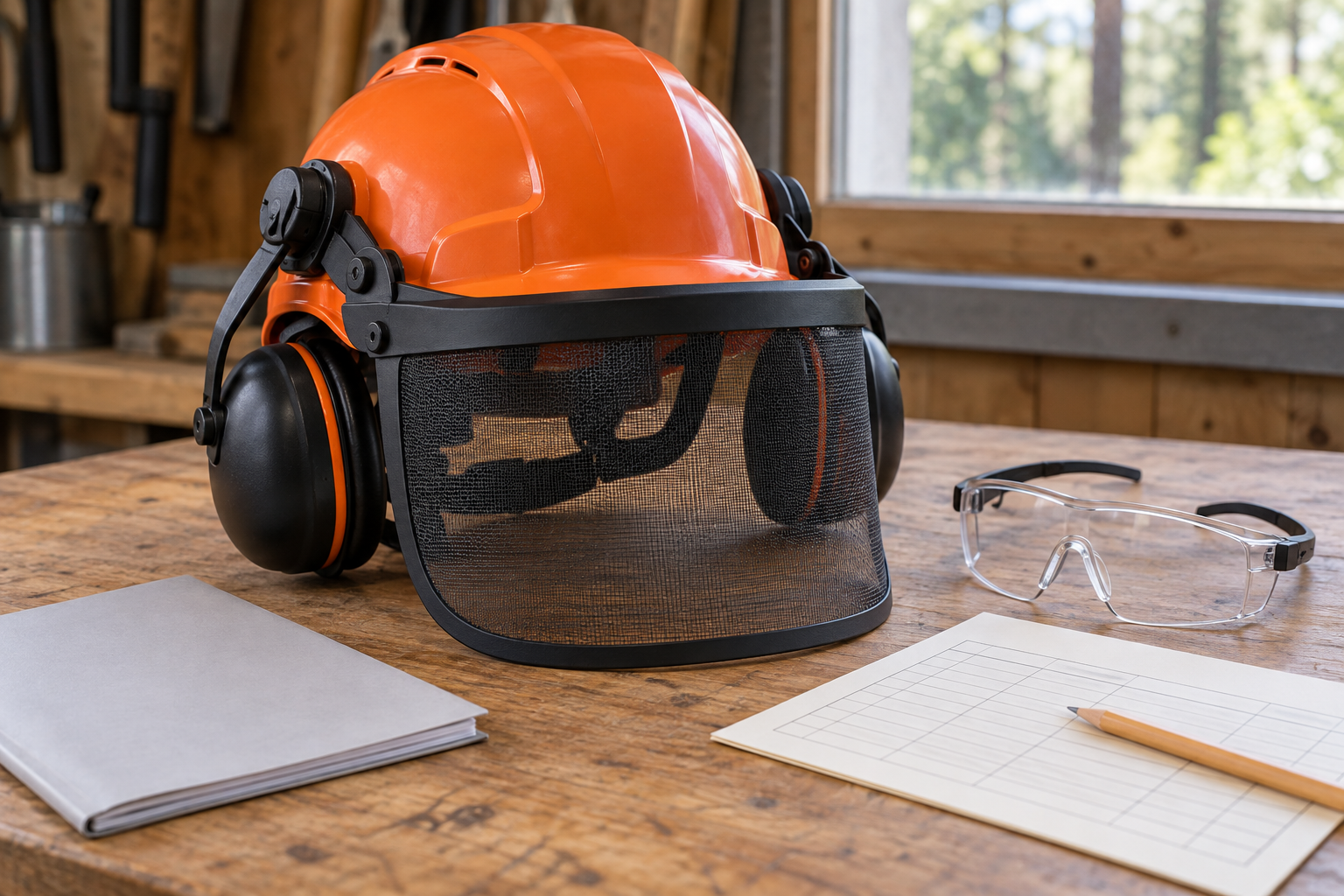
Replace a chainsaw helmet after an impact, when its condition fails the manufacturer’s inspection, or when it reaches the lifetime limit in its instructions. A clean-looking shell does not cancel an incident history or extend that limit; inspect the suspension and attached protection separately. This guide is for an owner checking an existing forestry helmet before a firewood session. The illustration shows an inspection setup, not a certified product or evidence that a particular helmet passes. For the rest of the equipment set, use the firewood PPE pre-start check.

Read More arrow_forward
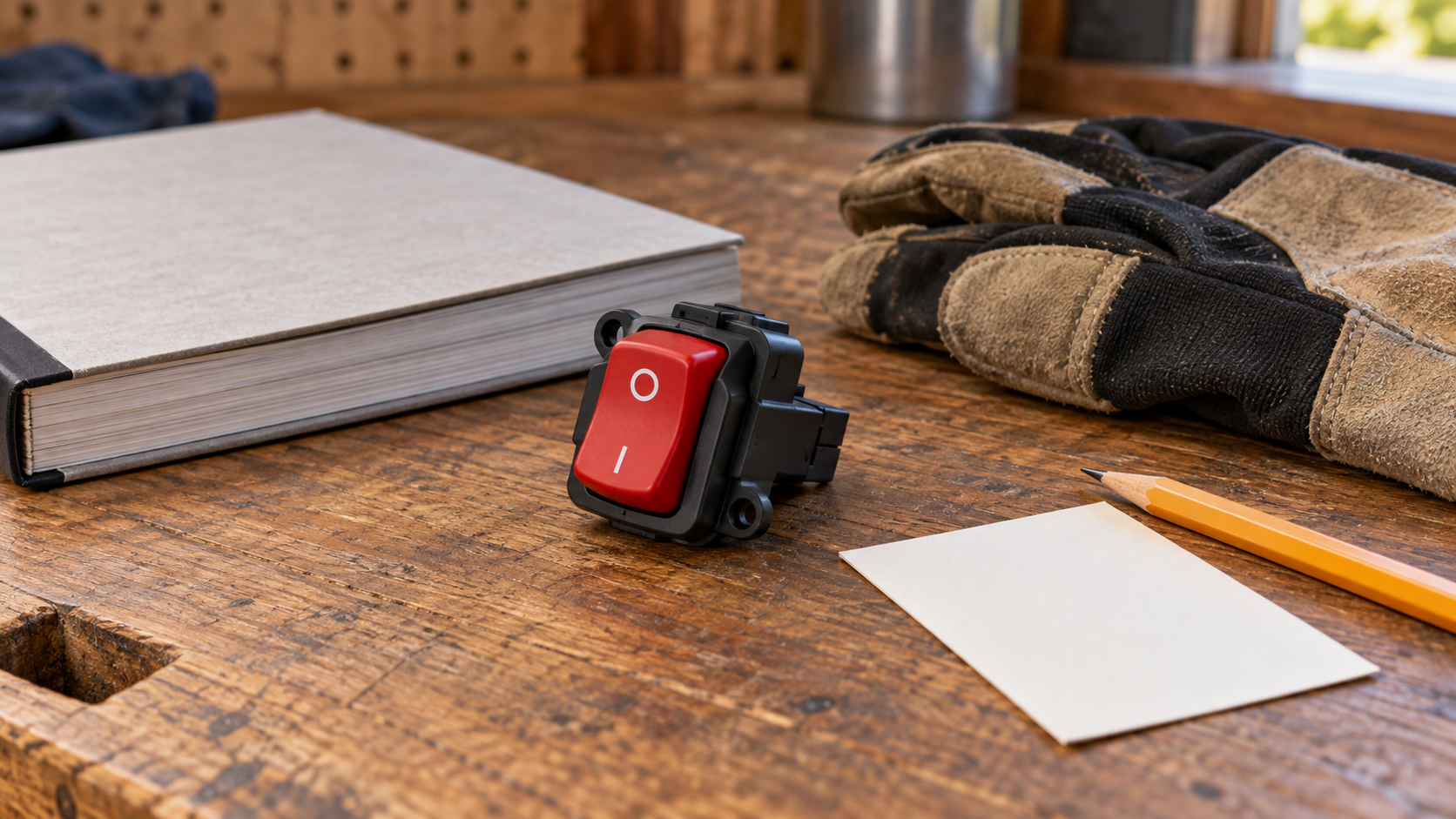
Chainsaw Stop Switch Not Working? Take It Out of Service

Chainsaw Stop Switch Not Working? Take It Out of Service

If a petrol chainsaw keeps running after you use its designated stop control as the exact manual directs, take it out of service. Do not try to prove that it will stop next time, and do not borrow a shutdown or repair method from a different saw. That is a control-safety fault, not a sharpening, chain-brake, fuel, or throttle-tuning problem. A stopped chain is not the same result as a stopped engine, and a familiar-looking control is not proof that two models share a safe procedure.

Read More arrow_forward
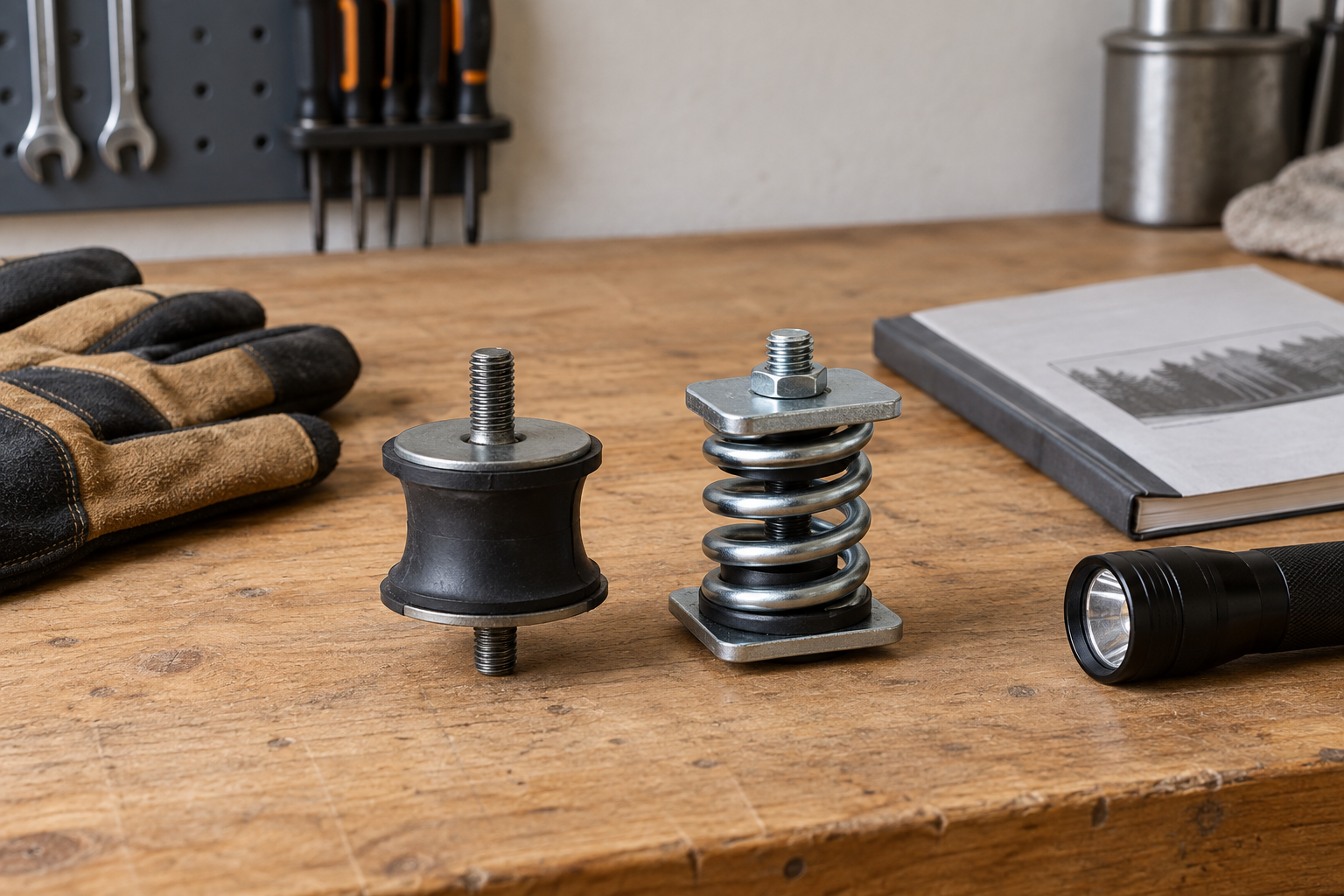
Chainsaw Anti-Vibration Mounts: Inspect Before Cutting

Chainsaw Anti-Vibration Mounts: Inspect Before Cutting

Inspect chainsaw anti-vibration mounts with the saw switched off and unable to start. If a damping unit is cracked, deformed, detached, missing, or not securely connected between the handle and engine unit, keep the saw out of service and use the exact model manual or a qualified service provider. This is a visible condition-and-attachment check, not a running vibration test or a generic replacement procedure. Mount designs, locations, fasteners, and owner-service limits vary between saws.

Read More arrow_forward
Chainsaw Throttle Trigger Stuck? Take It Out of Service

Chainsaw Throttle Trigger Stuck? Take It Out of Service

If a chainsaw throttle trigger is stiff, stays depressed, or will not return to idle, do not use the saw. With the engine off and the chain brake engaged, use the exact operator manual to distinguish its normal starting-control sequence from a throttle lockout or trigger that has failed its control check. This is a safety-control decision, not a generic handle, linkage, carburetor, or spring repair guide. The trigger arrangement and permitted access differ by saw; a similar-looking rear handle is not enough to identify a repair.

Read More arrow_forward
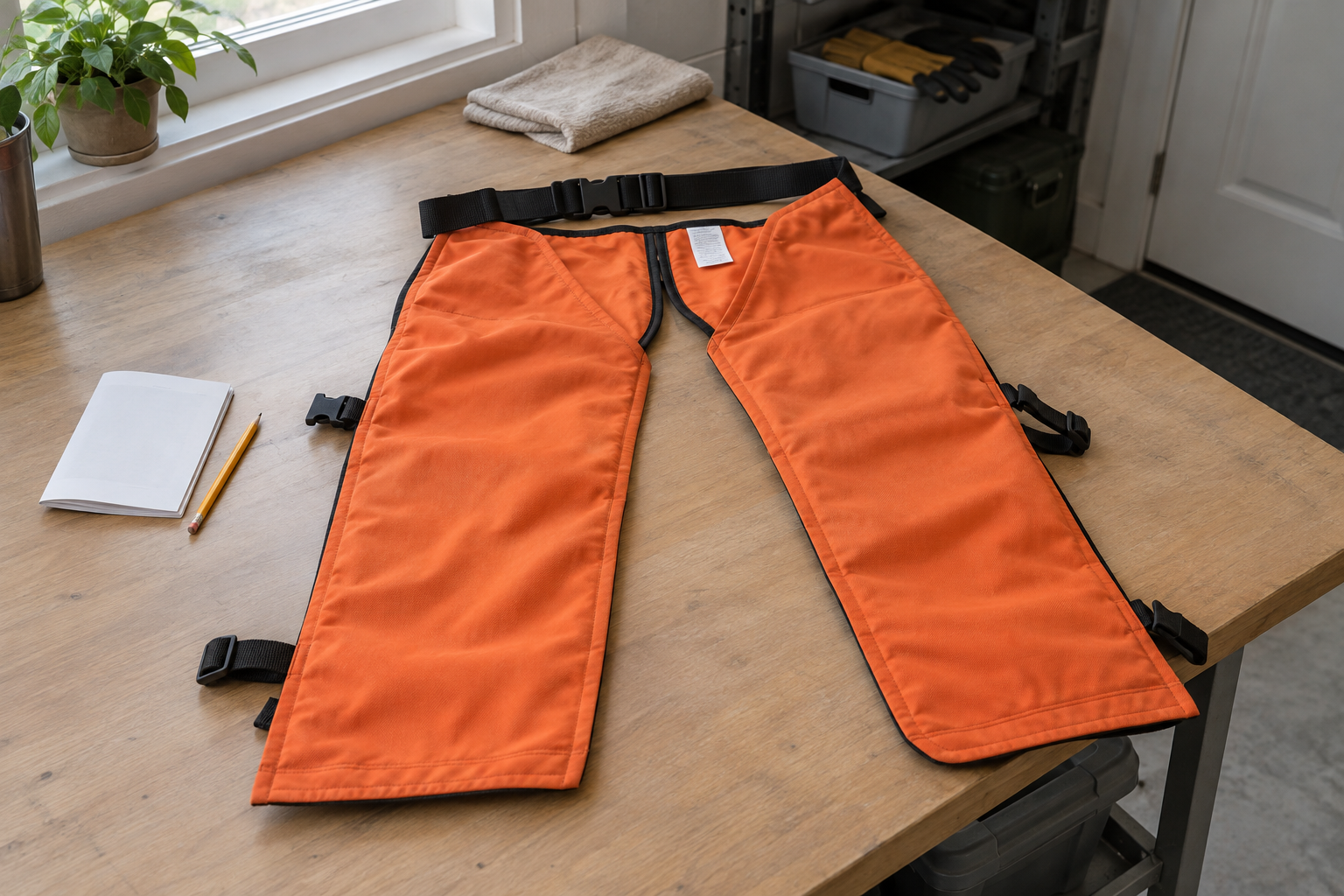
How to Wash Chainsaw Chaps: Check the Label First

How to Wash Chainsaw Chaps: Check the Label First

Wash chainsaw chaps only by the method on their care label and model-specific instructions: machine washing and tumble drying are permitted for some garments and prohibited for others. Inspect them first; cuts, exposed protective material or suspected damage need a manufacturer-led service or replacement decision, not simply another wash. This guide helps an occasional firewood cutter choose the care route for an existing pair. It does not establish whether an unidentified garment is suitable for a particular saw or certify that washed chaps retain their original protection.

Read More arrow_forward
How to Test a Chainsaw Chain Brake Safely

How to Test a Chainsaw Chain Brake Safely

To test a chainsaw chain brake, first inspect the cooled, disabled saw, then perform only the stationary and functional checks specified in the operator manual for that exact model. Do not cut with the saw if the brake will not engage or release as documented, the hand guard or brake parts are damaged, its action has changed, or the chain fails to stop during the manufacturer’s prescribed check.

Read More arrow_forward
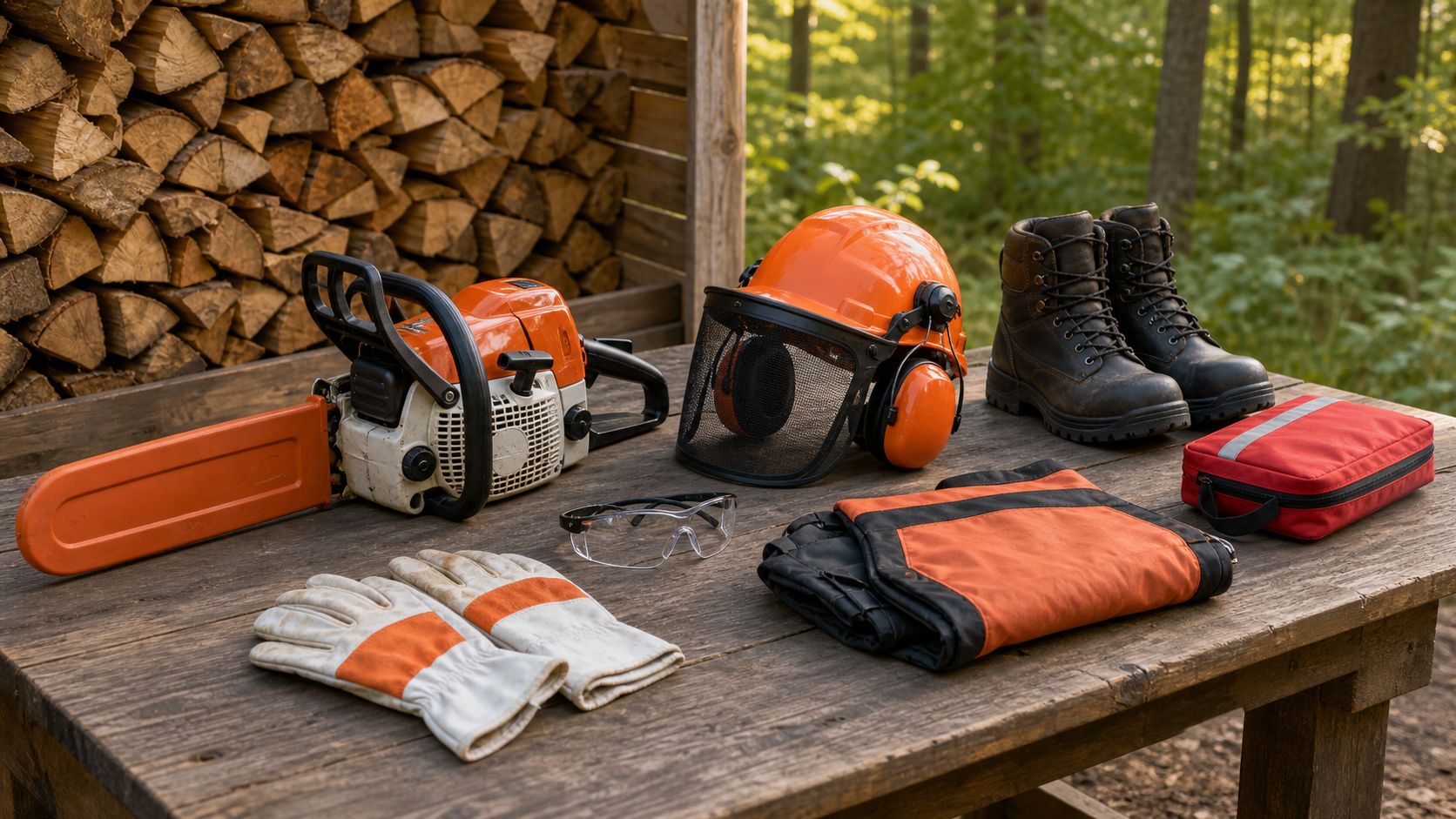
Chainsaw PPE for Firewood Cutting: Pre-Start Check

Chainsaw PPE for Firewood Cutting: Pre-Start Check

For ground-level firewood cutting, wear serviceable head, eye or face, hearing, hand, leg, and foot protection required by the saw manual, the job, and local rules before starting. Then check the wood, work area, and saw: PPE can reduce the severity of an injury, but it cannot make overhead, tensioned, unstable, or utility-involved wood acceptable to cut.

Read More arrow_forward
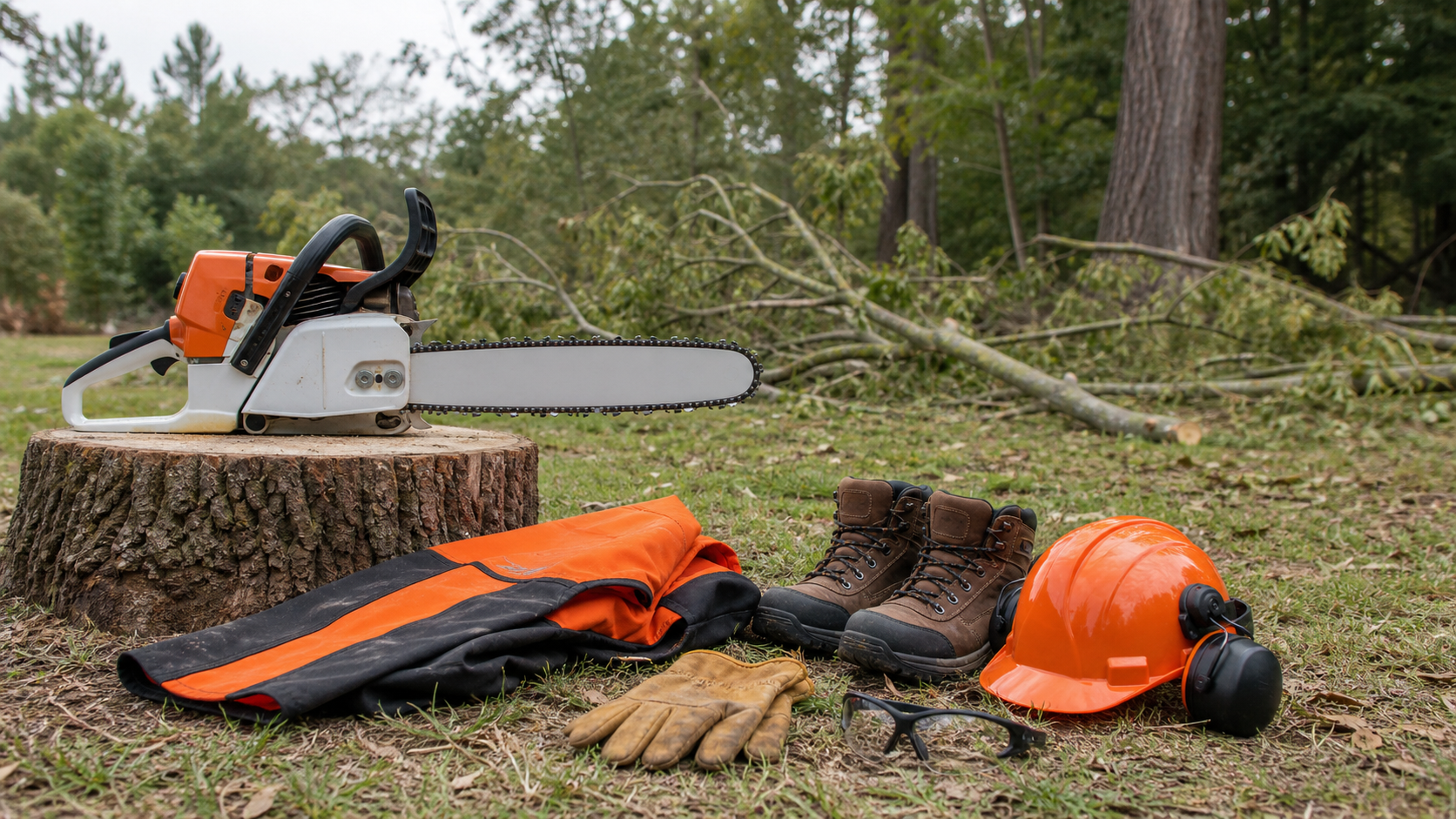
Chainsaw Storm Cleanup Safety: Decide What Not to Cut

Chainsaw Storm Cleanup Safety: Decide What Not to Cut

Safe chainsaw storm cleanup starts by deciding what not to cut. Leave anything near a utility line, overhead, standing or leaning, tangled, under visible tension, or attached to an unstable root plate for the utility or a qualified tree professional; an experienced homeowner’s possible work area is limited to stable, separated debris on the ground. Storm damage is not ordinary firewood. Limbs can be bent under other limbs, broken tops may remain overhead, logs can roll when support is removed, and an uprooted tree can shift toward its old position. A sharp chain and a familiar saw do not remove those hazards.

Read More arrow_forward
home Home shopping_cart Shop menu_book Guides construction Tools person Account