When to Replace a Chainsaw Chain Instead of Sharpening It
Maintaining a chainsaw is crucial for both performance and safety. Chainsaw owners often find themselves wondering whether they should clean, sharpen, or replace their chains. This guide is designed to help you decide when it’s time to replace the chainsaw chain rather than putting effort into sharpening it. By understanding the signs that indicate it’s time for a replacement, you’ll ensure that your cutting performance remains optimal and safe.
Signs Indicating It’s Time to Sharpen
-
Minimal Damage to Cutters: Inspect the cutters (teeth) on the chain. If they show minimal wear and damage, sharpening might be the right option. Look for small nicks or dullness; if you can feel the difference with your fingernail yet the cutter remains intact, sharpening could suffice.
-
Clean Cuts: If your chainsaw still makes clean cuts in wood but has become a bit dull, it’s generally a good candidate for sharpening. Ideally, you should be able to regain its cutting efficiency through this process.
Signs Indicating It’s Time to Clean/Tension
-
Dirt Buildup: After prolonged use, dirt can accumulate on the chain. If you notice dust or residue hindering performance, a thorough cleaning might improve functionality.
-
Chain Tension Issues: If the tension has loosened due to repetitive use, it may impact the cutting efficiency. Check to see if the chain has stretched and requires adjustments; sometimes, simply tightening the chain is all that’s necessary.
Signs Indicating It’s Time to Replace
-
Damaged Cutters: If you spot significant damage to the cutters, such as broken or severely worn teeth, it’s time for a replacement. Attempting to sharpen a damaged chain may lead to uneven cuts and exacerbate existing problems.
-
Stretched Chain: A chain that has lost its tension significantly and cannot be adjusted back into the correct position should be replaced. Stretched chains can lead to improper cutting and unsafe operation.
-
Poor Cutting After Sharpening: If you sharpen the chain and performance remains poor, it indicates that the chain has surpassed its usable lifecycle. Chains are not meant to be sharpened indefinitely—replace if sharpening yields no improvement.
-
Safety Red Flags: Inspect for any warped damage to the chain or if parts are missing. Inadequate components threaten both safety and cutting performance, warranting an immediate replacement.
Cost and Safety Tradeoffs
When deciding whether to repair, sharpen, or replace your chainsaw chain, consider these cost versus safety implications:
-
Replacement Costs: New chains range in price, depending on the type and size of your chainsaw. If you frequently use your chainsaw, purchasing a durable replacement may be worth the investment,, ultimately saving you time and hassle in the long run.
-
Safety Hazards: Weigh the potential risks of using a damaged or poorly functioning chain against the cost of replacement. Chains that do not perform well can lead to accidents, which is a price too high for any owner.
-
Sharpening Versus Replacement: Regularly sharpening can extend the life of your chain, but if the chain is out of shape or has irreparable damage, a replacement makes more economic sense.
Diagnostic Value: Decision Table
| Symptoms | Action Required | Decision |
|---|---|---|
| Minor nicks on cutters | Sharpen | Should sharpen as long as you can maintain the integrity. |
| Chain is dirty | Clean and tension | Clean and check tension before considering other actions. |
| Significant damage to cutters | Replace | Beyond sharpening, must replace. |
| Poor cutting post-sharpening | Replace | Ineffective; time for a new chain. |
| Chain has stretched | Replace or repair | Check if repairs can restore tension; otherwise, replace. |
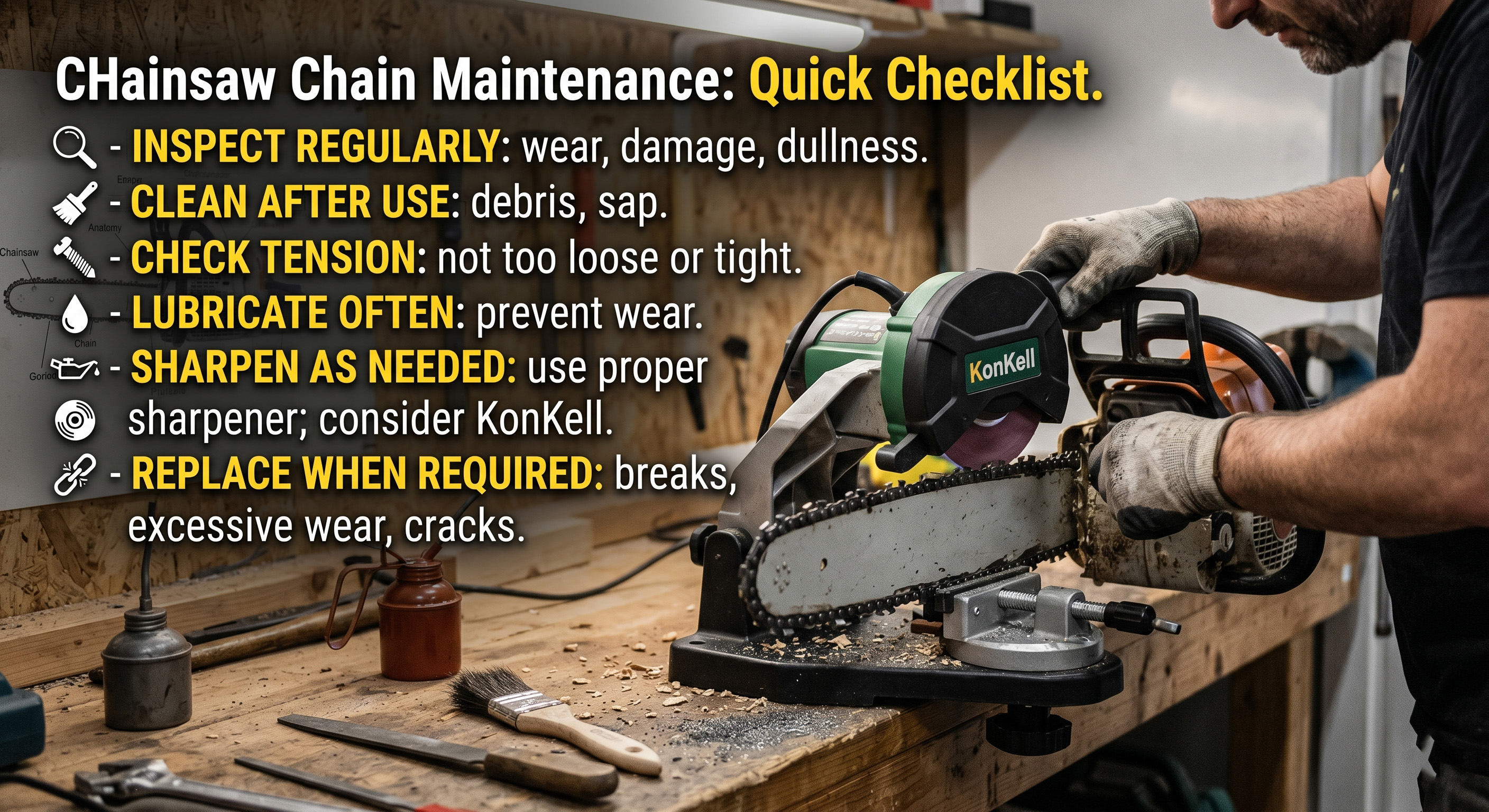
If you find that your chainsaw chain often needs sharpening frequently or shows signs of wear and tear, consider investing in quality sharpening tools. KonKell Chainsaw Sharpeners offer various options to maintain your cutting tools effectively, but knowing when to replace is just as important.
FAQ
-
How can I tell if my chainsaw chain is too dull? If your chainsaw struggles during cuts or produces sawdust instead of wood chips, your chain is likely too dull and may need sharpening or replacement.
-
Is it safe to use a damaged chainsaw chain? No, it is unsafe to use a damaged chain. If you observe broken or warped components, prioritize replacing the chain to avoid accidents.
-
How frequently should I replace my chainsaw chain? Replacement frequency depends on usage; general signs of wear, damage, and performance drop will dictate the timing.
-
Can I sharpen a stretched chainsaw chain? No, sharpening a stretched chain won’t restore its tension. It’s best to replace it for optimal performance.
Source Note
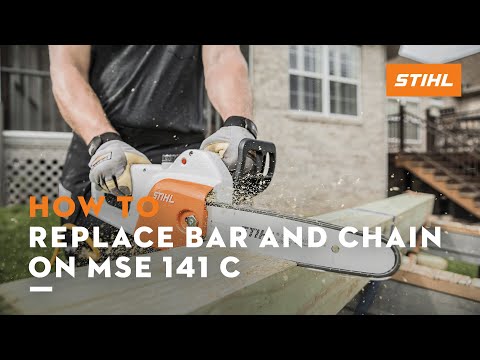
For further insights on chainsaw maintenance, check out this helpful video titled “How to Replace Bar and Chain on MSE 141 C | STIHL Tutorial” from Stihl USA.
EQUIP YOURSELF FOR THE JOB
Don't let dull tools slow down your workflow. Experience the precision of KonKell chainsaw sharpeners.
View Sharpening Kits construction