Starting Procedures for STIHL Chain Saws | STIHL Tips
If you own a STIHL chain saw, you’re already aware of the power and precision these tools bring to your outdoor projects. To ensure your chain saw runs smoothly and efficiently, knowing how to start it properly is essential. In this blog post, we’ll walk you through the step-by-step starting procedures for your STIHL chain saw, as well as offer some tips to keep your tool in peak condition.
Step 1: Pre-Start Check
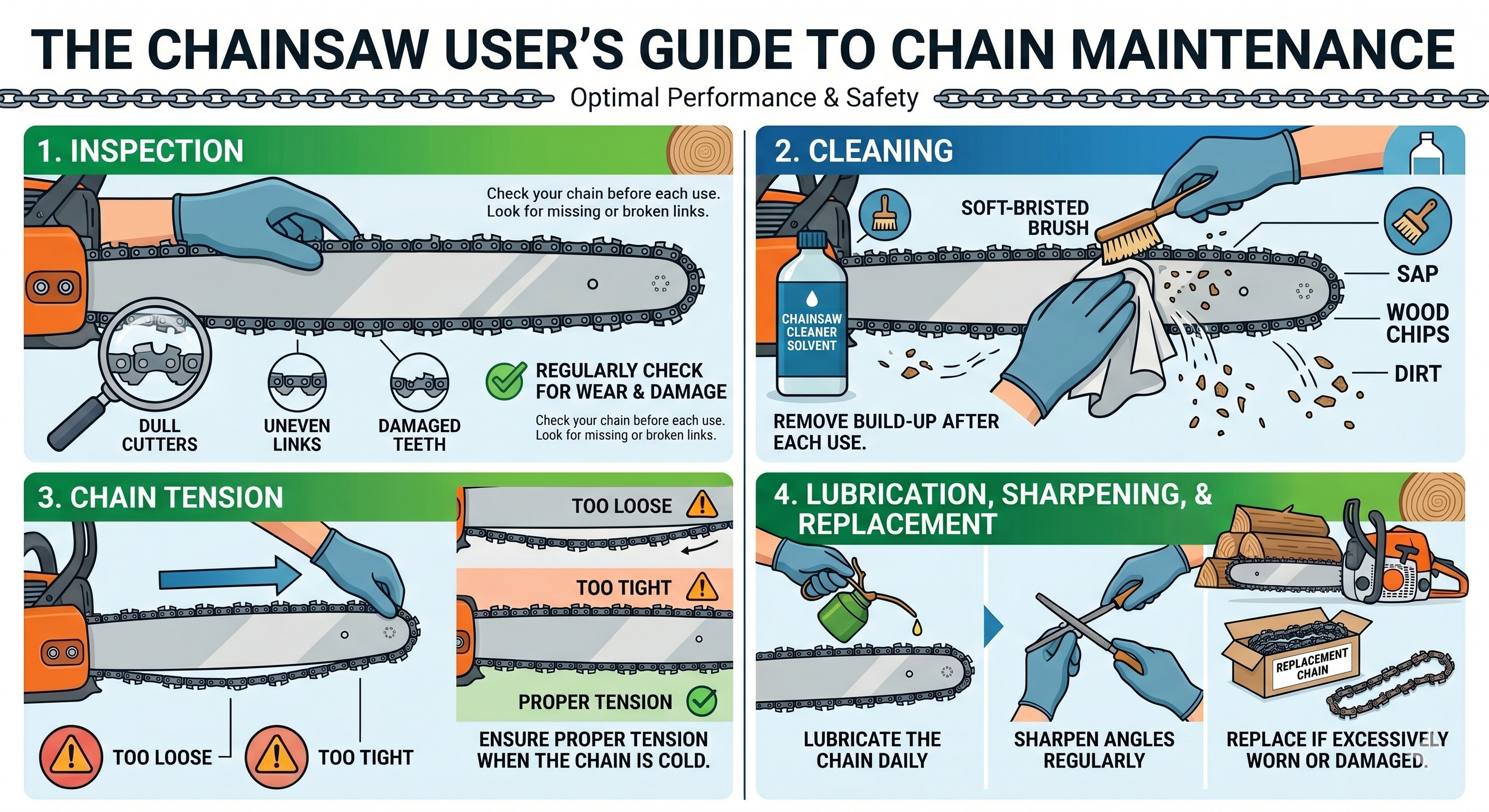
Before starting your chain saw, always begin with a pre-start check. Inspect the chain saw for any visible signs of damage. Check the fuel level in the tank and ensure you’re using the correct mixture of gasoline and oil recommended by the manufacturer. Make sure the bar and chain are secure, and that the chain is properly tensioned. These simple checks ensure that your chain saw is ready for use.
Step 2: Prepare Your Workspace
Safety first! Choose a clear, flat area to work, away from flammable materials. A stable environment helps prevent accidents. Always wear appropriate safety gear, including protective eyeglasses, gloves, and sturdy boots. Remember, your safety is just as important as the task at hand!
Step 3: Engage the Chain Brake
Before you start your chain saw, engage the chain brake. This important step prevents the chain from moving when you’re starting the engine, reducing the risk of kickback and enhancing your safety.
Step 4: Set the Starting Position
Place the chain saw on a flat surface, ensuring it is stable. If your saw has a decompression valve, open it to reduce the resistance for starting. In this position, hold the chain saw firmly with one hand on the front handle and the other on the back handle.
Step 5: Starting the Engine
Now you’re ready to start the engine! Here’s how:
-
For Manual Start:
- Pull the choke out (if equipped) by following the manufacturer’s guideline.
- Press the primer bulb several times until you see fuel in the bulb (if equipped).
- Set the chain saw to the ‘On’ position.
- Firmly grip the back handle and give a sharp pull on the starter rope. Repeat until the engine starts. Move the choke back to the ‘Run’ position after the saw starts.
-
For Electric Start:
- Ensure the battery is charged.
- Simply press the power button or pull the trigger to start the saw.
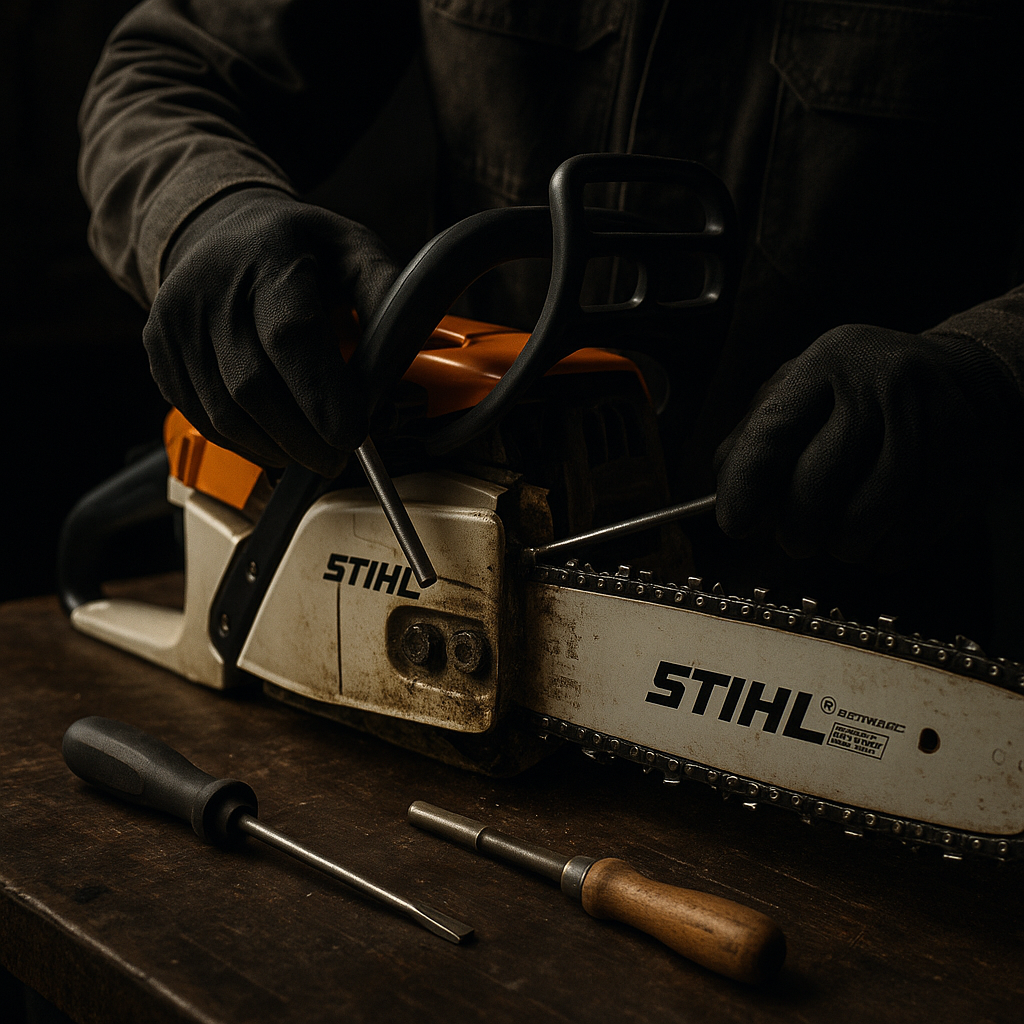
By the way, keeping your tools sharp is essential for peak performance. Check out the professional KonKell Chainsaw Sharpeners to save time and effort.
Step 6: Final Safety Checks
Once the engine is running, let it idle for a few moments to warm up. This ensures the oil circulates through the chain and bar. Check the chain tension again and ensure that everything sounds and feels right before you start cutting.
Tips for Maintaining Your Chain Saw
To extend the life of your STIHL chain saw and enhance its performance, remember these essential maintenance tips:
- Keep the Chain Sharp: A sharp chain cuts much more effectively and is safer to use, reducing the chances of kickback.
- Clean After Use: Remove sawdust, debris, and residues after each use to prevent damage in the long run.
- Regular Inspections: Before each use, check for any parts that may need maintenance such as air filters and spark plugs.
By following these starting procedures and maintenance tips, you’ll ensure that your STIHL chain saw runs efficiently and safely, ready for whatever task you embark on in the great outdoors. Happy cutting!
EQUIP YOURSELF FOR THE JOB
Don't let dull tools slow down your workflow. Experience the precision of KonKell chainsaw sharpeners.
View Sharpening Kits construction