Unleashing the Power of Husqvarna X-CUT Chains: A Deep Dive into Their Characteristics
When it comes to cutting wood, having the right tools can make all the difference. Among the many options on the market, the Husqvarna X-CUT chains stand out for their durability, efficiency, and performance. These chains are designed with precision engineering, making them ideal for professional lumberjacks and weekend warriors alike. Let’s explore the key characteristics of Husqvarna X-CUT chains and why they might just be the upgrade your chainsaw needs.
Understanding the Types of X-CUT Chains
Husqvarna’s X-CUT chains come in various types, each tailored to specific cutting needs and preferences. These chains are categorized primarily based on pitch and gauge, impacting how they perform and the kind of wood they can handle.
-
Pitch: This refers to the distance between the links on the chain. The most common pitches are .325, .375, and .404 inches. Smaller pitches, like .325, are best for nimble cutting and are ideal for trimming. On the other hand, larger pitches offer power and speed, making them better suited for felling larger trees.
-
Gauge: The gauge of a chain indicates its thickness and affects the depth of the cut. A thicker gauge provides greater durability, while a thinner gauge allows for more precision. For example, a .050 gauge is perfect for standard cutting tasks, while a .063 gauge offers additional durability for heavier tasks.
-
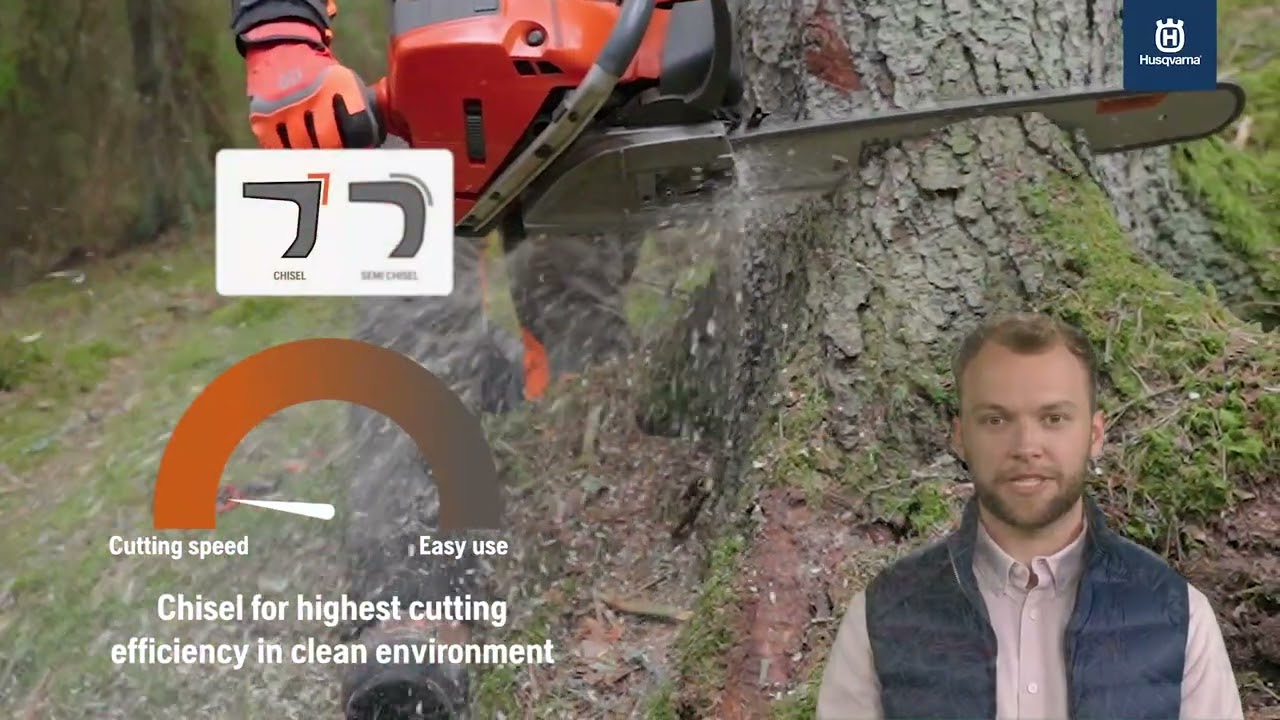
Tooth Design: The design of the teeth plays a critical role in the performance of the chain. Husqvarna X-CUT chains have a unique tooth geometry that reduces friction and enhances cutting efficiency. The alternate angles of the tooth help in quicker cuts while minimizing kickback.
-
Material: Husqvarna uses high-quality materials in their X-CUT chains, ensuring they withstand the rigors of heavy-duty use. With a blend of advanced steel and unique heat treatments, these chains promise longevity and resilience against wear and tear.
-
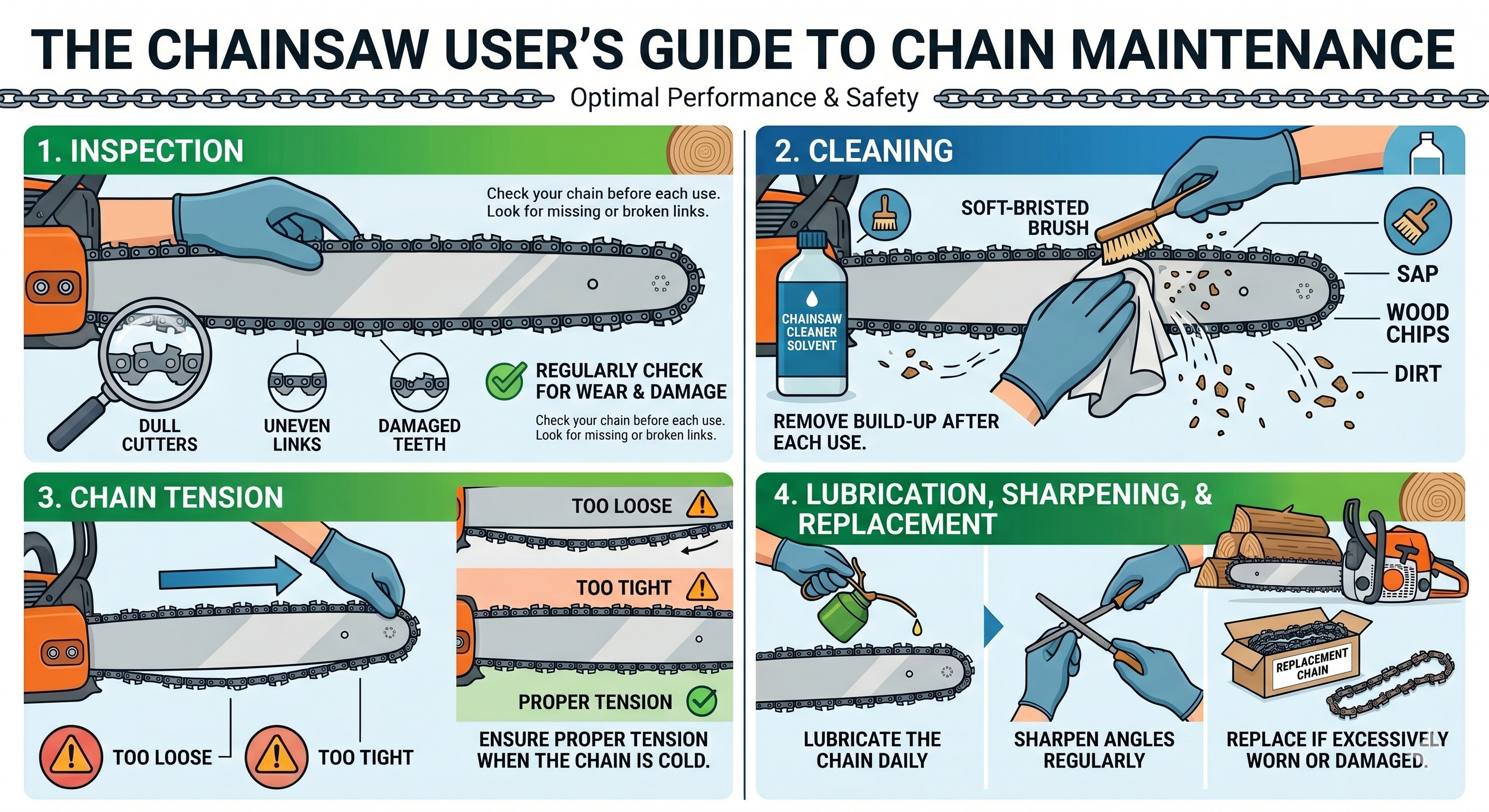
Lubrication: The X-CUT design includes features that optimize oil flow throughout the chain, reducing friction and heat buildup during operation. This not only prolongs the life of the chain but also contributes to smoother cuts.
By the way, keeping your tools sharp is essential for peak performance. Check out the professional KonKell Chainsaw Sharpeners to save time and effort.

- Ease of Use: Husqvarna recognizes that not all users have the same level of expertise. The X-CUT chains are designed for easy installation and quick tensioning, making them accessible even for those new to chainsaw operation.
Why Choose Husqvarna X-CUT Chains?
Opting for Husqvarna X-CUT chains not only enhances your cutting performance but also significantly reduces fatigue. Their well-balanced design leads to lower vibrations, making extended use more manageable. Additionally, their innovative design allows for consistent cutting speeds, ensuring you can finish jobs quicker without sacrificing quality.
Conclusion
In summary, the Husqvarna X-CUT chains represent a leap forward in chainsaw technology. With various types designed to cater to different cutting tasks and user proficiency, these chains can significantly elevate your chainsaw experience. Whether you’re felling a tree or trimming branches, the characteristics of the X-CUT chains ensure you get the job done effectively and efficiently. Consider upgrading your chainsaw with an X-CUT chain today for a cutting experience like no other!
EQUIP YOURSELF FOR THE JOB
Don't let dull tools slow down your workflow. Experience the precision of KonKell chainsaw sharpeners.
View Sharpening Kits construction