How to Sharpen a Chainsaw Chain
This guide is tailored for DIY chainsaw owners who have basic tool safety understanding and find themselves facing the challenge of a dull chainsaw chain. As woodcutting tasks become more strenuous with a dull tool, proper sharpening is crucial to maintain efficiency and safety. Here, we will explore practical signs of a dull chain, essential setup steps, and the art of sharpening to keep your chainsaw performing optimally.
Recognizing Dull Chainsaw Symptoms
Before delving into the actual sharpening procedure, it’s vital to identify when your chainsaw chain is dull. Common symptoms include:
- Increased cutting resistance: If you find yourself applying extra pressure while cutting, it’s a sign of a dull chain.
- Burning smell: A burning odor during cutting indicates friction caused by a dull chain.
- Uneven cuts: If your chainsaw veers off in one direction or the other, your chain’s cutters may be unevenly sharpened.
- Smoke: If you see smoke emerging from the chain, it usually points to poor cutting performance, signaling that it requires sharpening.
Recognizing these symptoms will save you time and effort, allowing you to address the issue before it affects your project significantly.
Setting Up for Sharpening
Creating a proper setup is essential for effective sharpening. Here’s what you need:
- Safety Gear: Eye protection and gloves are must-haves to prevent injuries during the sharpening process.
- Sharpening Tools: Depending on your preference and skill level, choose between a manual file or a chainsaw sharpener (like those from KonKell Chainsaw Sharpeners).
- Work Surface: Find a stable workbench or surface where the chainsaw can be secured during the sharpening process.
- Chain Tension: Ensure the chain is properly tensioned, making it easier to sharpen uniformly.

Sharpening Process and Cutter Consistency
The sharpening process is key to achieving a consistently sharp chain. Follow these steps:
-
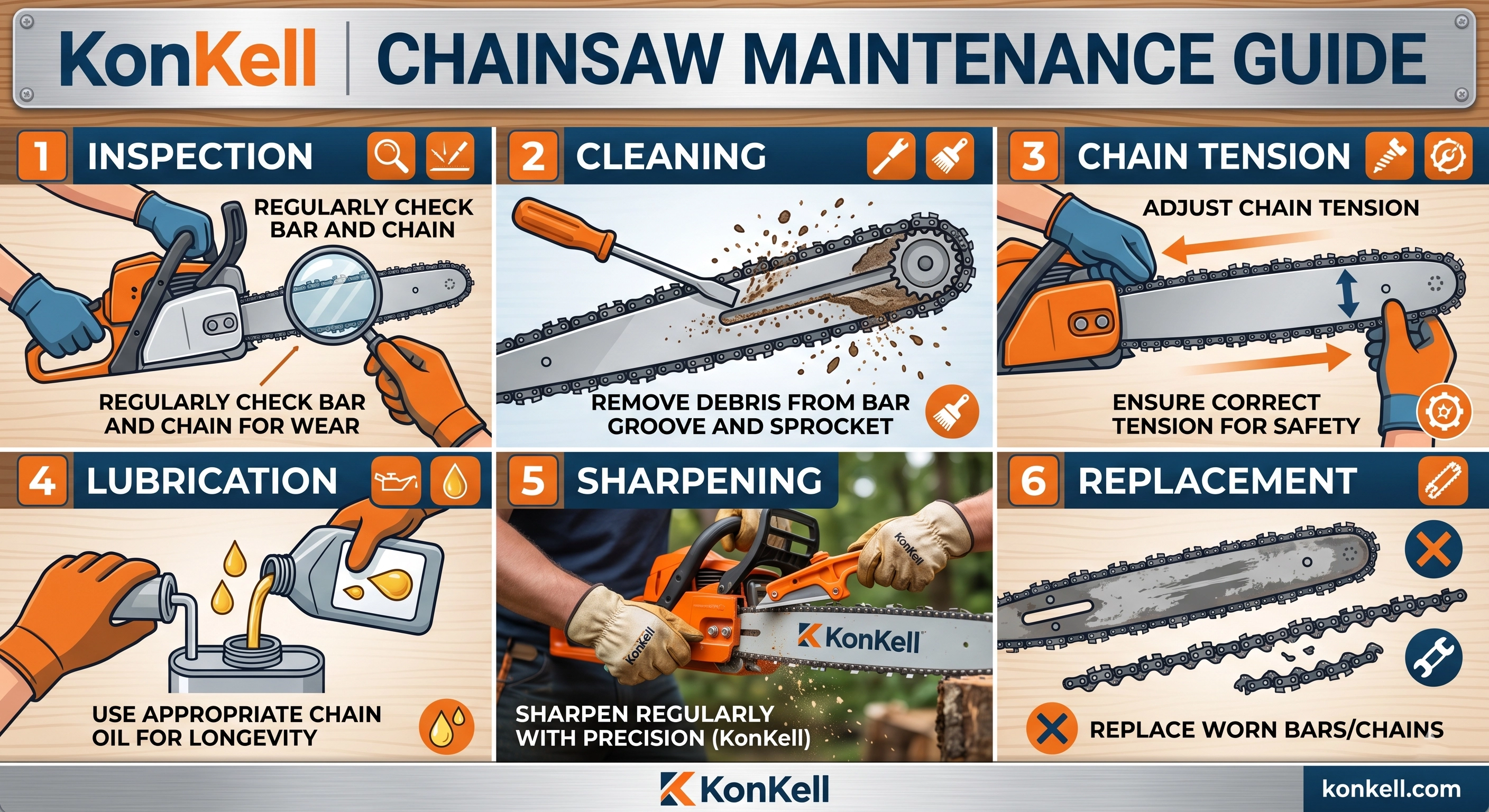
Inspect the Chain:
- Look for elongated cutters, damaged links, or excessive wear.
- Replace damaged components before sharpening.
-
Sharpen Cutters:
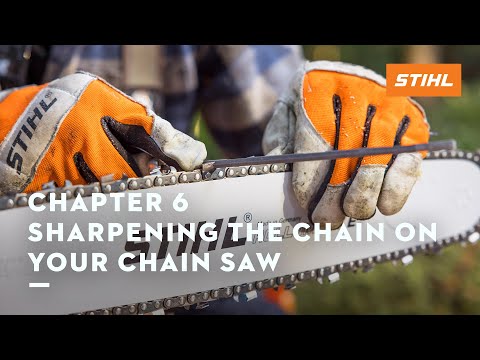
- Use a chainsaw file with an appropriate diameter for your chain saw.
- Maintain a consistent angle while filing (generally between 25-35 degrees, refer to your chainsaw’s manual).
- Pay attention to the cutter depth; ensure they are all the same height.
-
Check Depth Gauges:
- These control the amount of wood the chain removes with each pass. If these are too high, they can hinder performance.
- File them to ensure they are lower than the cutter teeth by the manufacturer’s specifications.
-
Final Test Cuts:
- After sharpening, conduct test cuts in a piece of scrap wood. The chain should glide with minimal resistance and produce clean cuts.
Tools vs. Manual Sharpening: When is Faster Better?
Understanding when to opt for a sharpener over manual files can save time and guarantee uniformity:
- Sharpeners can provide an even grind quickly, perfect for professional or heavy-duty use.
- File sharpening allows more control and is excellent for light users or those with less experience, though it may take longer.
Decide based on your cutting frequency and the extent of dulling.
Checklist Before You Cut
Before you head out for your cutting session, ensure you’ve completed the following:
- Did I inspect for dullness and damage?
- Is the chain sharp and cutters consistent?
- Are the depth gauges properly filed?
- Have I performed test cuts successfully?
FAQ
1. How often should I sharpen my chainsaw chain?
Sharpen your chain after every few hours of cutting, or whenever you notice signs of dullness.
2. Can I use a regular file for sharpening?
Yes, but ensure the file’s diameter matches the specific requirements for your chainsaw chain.
3. What tools are best for sharpening a chainsaw chain?
Both manual files and electric sharpeners work well. Choose based on your skill level and cutting frequency.
4. How do I know if I’ve sharpened the chain enough?
After sharpening, perform a test cut; if the chainsaw cuts smoothly and easily, you are likely good to go.
Source Note
For more visuals and insights on the topic, visit the video “How to Work with Chainsaws - Getting Started” by Husqvarna USA here.
EQUIP YOURSELF FOR THE JOB
Don't let dull tools slow down your workflow. Experience the precision of KonKell chainsaw sharpeners.
View Sharpening Kits construction