Electric Chainsaw Sharpener vs File: Which Makes Sense?
Whether you’re a weekend woodworker or a professional lumberjack, maintaining a sharp chainsaw chain is crucial for optimal performance. If you’re considering upgrading from traditional hand filing to an electric chainsaw sharpener, this guide is tailored for you. We’ll compare the two methods based on factors like accuracy, speed, portability, and chain life, helping you make an informed decision about your sharpening needs.
| Feature | Electric Chainsaw Sharpener | Hand File |
|---|---|---|
| Accuracy | High | Moderate to High |
| Speed | Fast | Time-consuming |
| Portability | Less portable | Very portable |
| Chain Life | Extended | Standard |
| Learning Curve | Moderate | Steep |
| Repeatability | Excellent | Variable |
| Heat Control | Better | Risk of overheating |
| Volume of Chains | High capacity | Limited |
| Maintenance | Minimal | Frequent |
Where Electric Chainsaw Sharpeners Win
Electric chainsaw sharpeners excel in speed and accuracy, making them ideal for users who frequently use multiple chains. These sharpeners have been designed to offer repeatable results, ensuring that every sharpening session is consistent. Additionally, they are excellent for heat control, which helps prolong chain life.
For those who are actively cutting wood and need to sharpen chains regularly, the investment in an electric model can pay off quickly in terms of time saved and cut quality. If you’re looking at maintaining a high volume of chains, this option is unbeatable.
Where Hand Files Shine
Hand files are lightweight and incredibly portable, allowing you to take them anywhere. This makes them an ideal choice for those who find themselves working in remote areas without electricity. The hand-filing method is also more versatile when it comes to sharpening chains with varied angles or types.
However, the learning curve involved is considerable; mastering the technique takes practice. If you’re only occasionally sharpening chains and enjoy the craftsmanship involved, sticking with hand files may feel more rewarding.
Decision Factors
When deciding between an electric chainsaw sharpener and a hand file, consider the following aspects:
-
Volume of Cutting: Are you routinely felling trees or cutting large quantities of wood? Then an electric chainsaw sharpener could save you a lot of time.
-
Portability Needs: Will you often be out in the field? If so, the hand file is your best bet for portability.
-
Maintenance Willingness: Are you prepared to spend time maintaining your chainsaw and sharpening them manually? Hand filing requires more upkeep but can foster better mechanical skills.
-
Skill Level: Are you new to chainsaw maintenance? If so, it may be easier to start with an electric sharpener.
Symptoms and Diagnostic Table
Understanding when to sharpen your chainsaw is key, and the symptoms will differ based on how you sharpen your chain. Below is a diagnostic table to help in decision-making:
| Symptom | Electric Sharpener | Hand File |
|---|---|---|
| Chains dull quickly | Check for machine wear | Inspect filing technique |
| Cutting unevenly | Review angle settings | Ensure even pressure |
| Excessive heat | Review cooling method | Take breaks to cool down |
| Frequent gaps in cuts | Look for alignment issues | Analyze filing consistency |
Additionally, consider the longevity of the grinder and how often you’ll need to replace parts if you go with the electric model. As a user, you’d want to enjoy all the benefits of the equipment you invest in.
FAQ
1. How long does it take to sharpen a chain with an electric sharpener? Typical electric sharpeners can sharpen a chain in 2-3 minutes, depending on the model.
2. Do electric sharpeners require much maintenance? Most electric sharpeners require minimal maintenance, such as cleaning the grinding wheel and checking alignment.
3. Can I sharpen different chain types using a hand file? Yes, hand files are versatile and can accommodate various chain types and angles.
4. Is it possible to achieve the same level of accuracy with a hand file? While possible, achieving the same level of accuracy as electric sharpeners typically requires more skill and experience.
Source Note
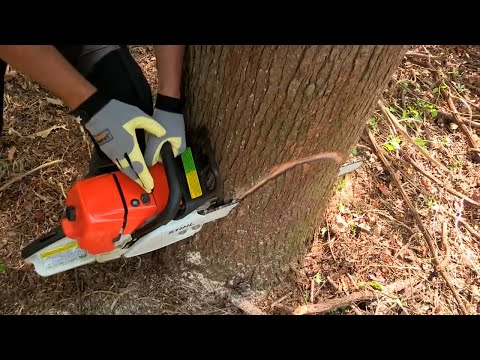
For practical instruction on chainsaw use, check out the video titled How to Fell a Tree with a Chainsaw from Stihl USA.
For those considering an electric sharpener, make sure to explore resources like KonKell Chainsaw Sharpeners, which offer various models designed for different needs.
EQUIP YOURSELF FOR THE JOB
Don't let dull tools slow down your workflow. Experience the precision of KonKell chainsaw sharpeners.
View Sharpening Kits construction