Chainsaw Kickback Safety Tips for Beginners
If you’re new to chainsaw use, understanding kickback and how to prevent it is essential. This guide is tailored for novice chainsaw operators aiming to enhance their safety awareness and habits while working with this powerful tool. We’ll explore the wonderful world of chainsaw kickback safety tips, focusing on practical techniques and maintenance habits that can significantly mitigate risks.
Understanding Chainsaw Kickback
Chainsaw kickback occurs when the tip of the chainsaw bar makes contact with an object, or when the chain binds, causing the saw to jerk upward toward the operator. This unexpected movement can lead to serious injuries and even fatalities. Being proactive about safety can help you reduce the potential for kickback-related accidents.
Chainsaw Kickback Safety Tips: Bar Nose Awareness
One of the most critical factors in chainsaw operation is bar nose awareness. The bar nose is the front tip of the chainsaw bar where kickback is most likely to occur. To help minimize this risk:
- Always keep the tip of the bar away from contact with any object.
- Be mindful of how you position the chainsaw while cutting; avoid “pinching” the bar in the material.
- When felling trees or cutting branches, aim to keep the bar parallel to the ground as much as possible.
Chainsaw Kickback Safety Tips: Sharp Chain Control
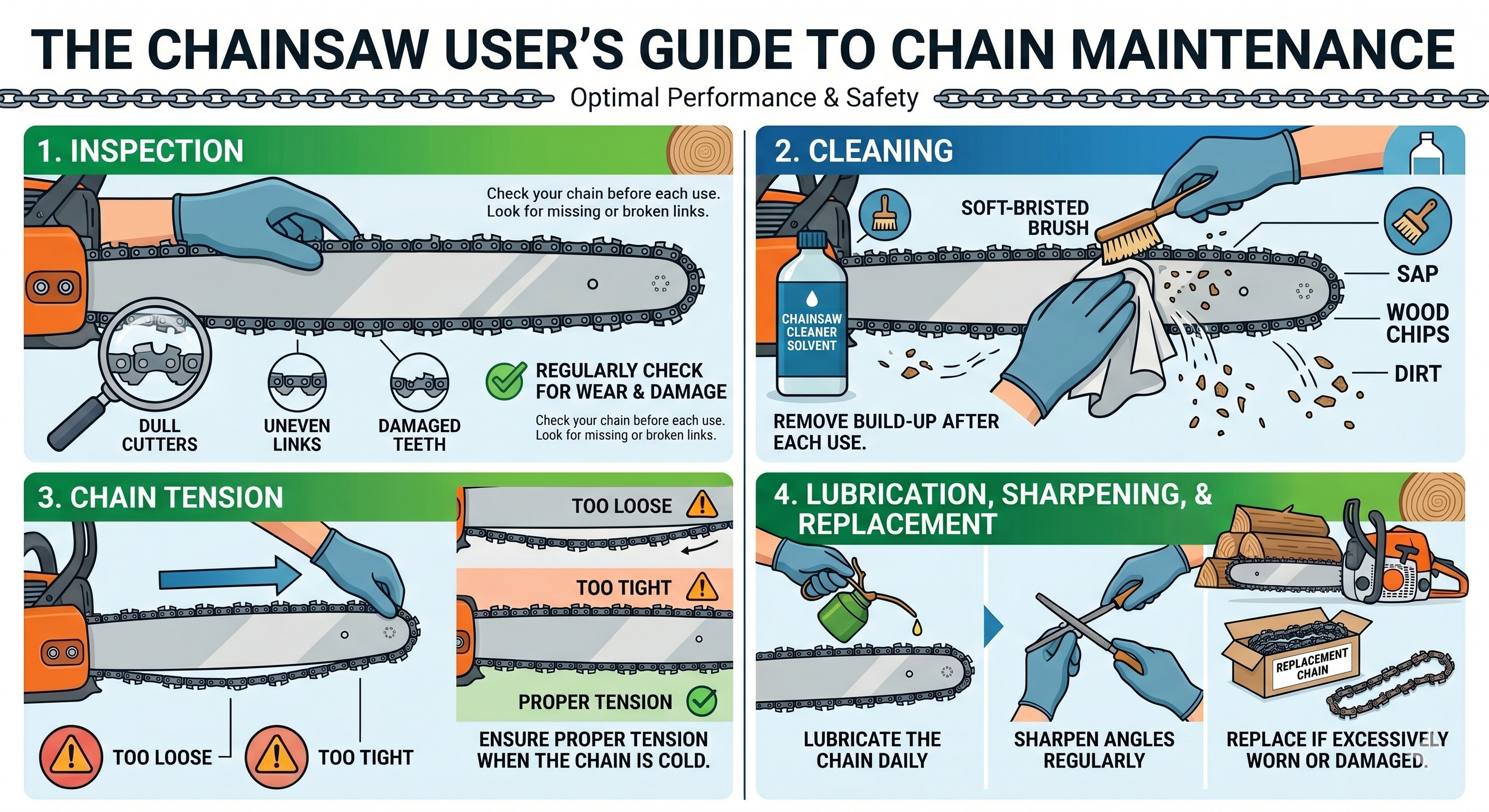
Maintaining a sharp chain is essential not only for efficiency but also for safety. A dull chain can lead to increased resistance, which can contribute to kickback. To ensure your chain is sharp and effective:
- Regularly check the sharpness of your chain, particularly after extended use.
- Use a reliable sharpener to maintain a precise edge. For great results, consider visiting KonKell Chainsaw Sharpeners.
- Make it a habit to sharpen the chain before each major job to avoid kickback due to dragging or binding.
Chainsaw Kickback Safety Tips: Proper Stance and Grip
Your body position, grip, and stance while using a chainsaw are critical components of safe operation. Here are some best practices:
- Stand with your feet shoulder-width apart, allowing for good balance.
- Maintain a firm grip on the front and rear handles; these should be held with both hands at all times during operation.
- Bend slightly at the knees and keep your weight balanced—avoid leaning over or reaching too far with your arms.
Chainsaw Kickback Safety Tips: Utilizing the Chain Brake
A chainsaw’s chain brake acts as a crucial safety feature that can drastically reduce injury risk during kickback events. Always ensure you engage the chain brake when:
- Starting the saw.
- Making cuts that require you to pause frequently.
- Carrying the saw or setting it down.
Chainsaw Kickback Safety Tips: Following Manufacturer Safety Guidance
Every chainsaw comes with a manual that outlines important safety features specific to that model. Here are key areas to focus on:
- Review the user manual for specific kickback safety features and recommendations.
- Understand the safety signs and symbols that relate to kickback hazards.
- Follow any specific instructions regarding bar and chain assembly to ensure the equipment performs safely and effectively.
Diagnostic Value: Evaluating Your Chainsaw Setup
Properly identifying potential issues with your chainsaw’s setup can greatly reduce kickback risks. Here are some common symptoms to look out for and their comparisons:
| Symptom | Potential Issue | Action Required |
|---|---|---|
| Chain binds during cutting | Dull or improperly tensioned chain | Sharpen chain; adjust tension |
| Excessive vibration | Unbalanced bar/chain setup | Inspect and balance components |
| Frequent kickback incidents | Operator error or equipment wear | Review handling techniques; replace worn parts |
| Difficulty in cutting | Dull chain or bar malfunction | Sharpen chain; check bar for wear |
By keeping an eye on these symptoms and comparing them to the necessary actions, you can maintain a safer work environment and significantly lower the likelihood of kickback.
FAQ
1. What causes chainsaw kickback?
Chainsaw kickback is caused mainly by the tip of the bar coming into contact with an object or when the chain becomes bound in the cut.
2. How can I prevent kickback while using a chainsaw?
You can prevent kickback by being aware of bar nose positioning, maintaining a sharp chain, using proper stance and grip, engaging the chain brake, and following the manufacturer’s guidelines.
3. What is the importance of sharp chains?
A sharp chain minimizes resistance during cutting, which can help prevent binding and reduce the risk of kickback.
4. When should I consult my chainsaw’s manual?
You should consult the manual for specific safety features, maintenance practices, and any model-specific instructions related to kickback prevention.
Source Note
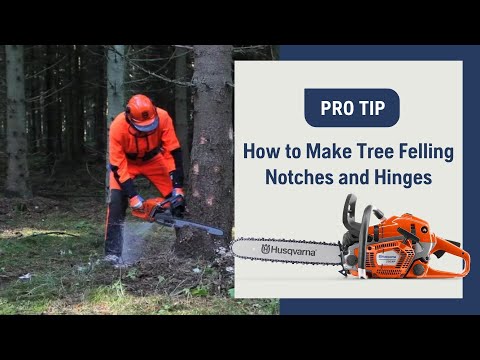
For further insights into using chainsaws safely, consider checking the video titled How To Make Tree Felling Notches And Hinges With A Chainsaw | Husqvarna.
EQUIP YOURSELF FOR THE JOB
Don't let dull tools slow down your workflow. Experience the precision of KonKell chainsaw sharpeners.
View Sharpening Kits construction