Chainsaw Kickback Safety Tips
If you’re a newer chainsaw user, understanding chainsaw kickback safety is crucial for preventing accidents and mastering safe handling techniques. This guide will help you become aware of practical kickback risks and the essential chain maintenance habits necessary to reduce those risks, ultimately ensuring a safer working experience.
Understanding Chainsaw Kickback Risks
Kickback occurs when the tip of the chainsaw bar strikes an object, causing the chainsaw to be rapidly thrown back towards the operator. This unexpected recoil can result in severe injuries, making it imperative to be aware of your chainsaw’s bar nose and how it interacts with various cutting scenarios.
Before diving into habits and maintenance tips, it’s important to know several key components of kickback prevention:
-
Bar Nose Awareness: The tip of the saw’s bar is where most kickback incidents occur. Avoid cutting with the tip, particularly when felling trees or working near dense brush, as this heightens the risk of inadvertently making contact with hard surfaces.
-
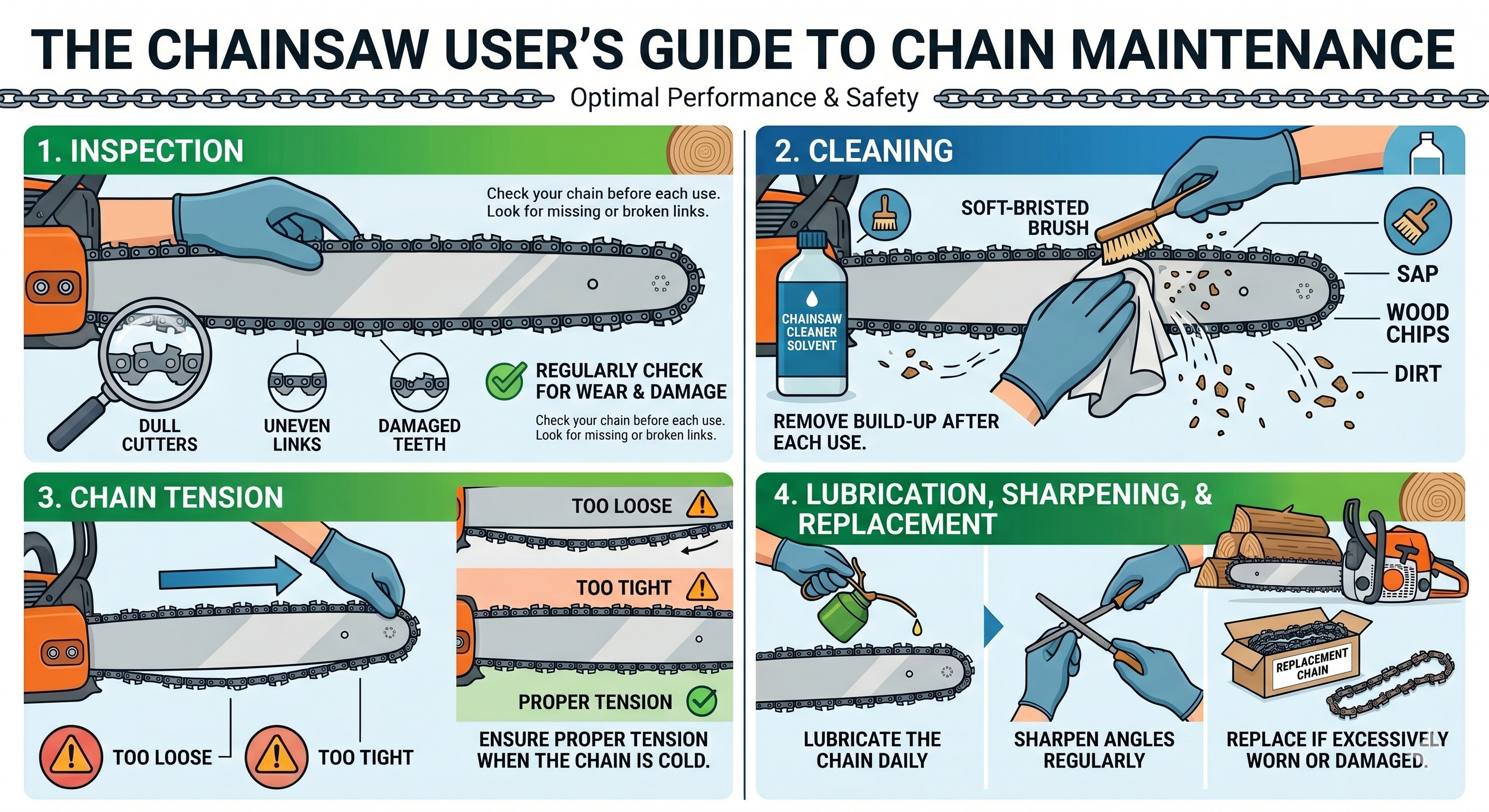
Sharp Chain Control: A dull chain can increase the likelihood of kickback. It’s vital to maintain a sharp chain by using quality sharpeners, such as KonKell Chainsaw Sharpeners, and regularly checking the chain’s condition.
-
Proper Stance and Grip: Stand firmly with your feet shoulder-width apart to maintain balance. Grip the chainsaw firmly with both hands, ensuring your thumb is wrapped around the body of the saw for stability.
-
Chain Brake Use: Always engage the chain brake when the saw is not in use or during specific operations like starting the engine. This brake acts as a critical safety measure to prevent accidental chain movement.
-
Manufacturer Safety Guidance: Familiarize yourself with your chainsaw’s user manual for specific safety features and recommendations. Each model has distinct features that can assist with kickback prevention.
Practical Habits for Reducing Kickback Risks
While understanding the risks is essential, developing practical habits is equally critical. Here are several behaviors and routines to incorporate into your chainsaw operation:
-
Maintain a Safe Operating Distance: Always position yourself to avoid the arc of potential kickback, while also maintaining a safe distance from bystanders or obstacles.
-
Check Your Surroundings: Before making a cut, assess your environment for potential hazards such as branches, uneven terrain, and bystanders.
-
Regular Chain Maintenance: Keep your chain sharp, properly tensioned, and lubricated to ensure efficient cutting without excessive pressure. A sharp chain helps prevent the need for aggressive cutting, which increases kickback risk.
-
Post-Use Inspections: Before storing your chainsaw, conduct a quick inspection to ensure all safety features are functional, and there are no visible damages.
Diagnostic Value: Identifying Kickback Symptoms
Identifying potential kickback conditions can help you maintain safety during chainsaw operation. Here’s a simple diagnostic table to assess your setup and techniques:
| Symptom | Possible Reason | Action Required |
|---|---|---|
| Chainsaw jerks violently | Dull or loose chain | Sharpen chain or adjust tension |
| Excessive vibration | Unbalanced cutting technique | Verify stance and grip, adjust form |
| Delayed cut response | Chain not properly lubricated | Check lubrication system |
| Frequent kickback incidents | Incorrect cutting technique | Practice proper cutting methods |
By identifying these symptoms, you can adjust your habits and practices to mitigate kickback risks effectively.
Essential Maintenance Tips for Kickback Reduction
Beyond just using your chainsaw, adhering to a maintenance schedule and performing regular checks can drastically reduce the risk of kickback incidents. Important maintenance habits include the following:
- Routine Chain Sharpening: Regular sharpening not only improves cutting precision but also decreases the likelihood of kickback by requiring less force for cutting.
- Chain Tension Checks: Always ensure that the chain is neither too tight nor too loose. The proper tension allows for efficient power transfer and reduces the risk of kickback.
- Lubrication: Maintaining proper oil levels helps decrease wear and maintain the chain’s sharpness. Regularly check oil levels before each use.
- Safety Features Check: Regularly test your chain brake and other safety mechanisms before use to ensure they function correctly.
FAQs on Chainsaw Kickback Safety Tips
-
What is kickback on a chainsaw? Kickback is an instantaneous reaction that occurs when the tip of the chainsaw bar touches an object, throwing the saw back towards the operator.
-
How can I prevent kickback? You can prevent kickback by maintaining awareness of your environment, keeping a sharp chain, and using proper cutting techniques alongside your chainsaw’s safety features.
-
Is a dull chain more dangerous? Yes, a dull chain requires more pressure to cut, increasing the risk of getting unexpected kickback. Regularly sharpen your chain to mitigate this risk.
-
What safety features should I check before using my chainsaw? Always check that the chain brake is functioning, the chain is properly tensioned, and the oiling system is working correctly to ensure safe operation.
Source Note
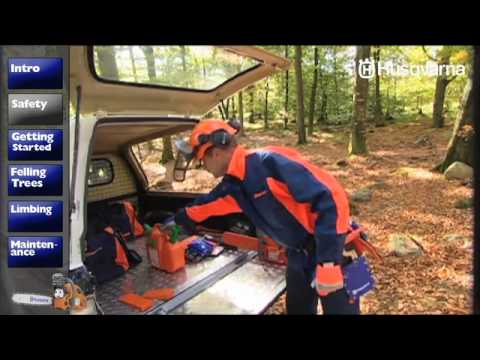
For additional insights on chainsaw safety, refer to the video titled How to Work with Chainsaws - Safety.
EQUIP YOURSELF FOR THE JOB
Don't let dull tools slow down your workflow. Experience the precision of KonKell chainsaw sharpeners.
View Sharpening Kits construction