Chainsaw chain angle guide
This guide is designed for chainsaw users who want to maintain their equipment for optimal performance. Whether you are a professional logger or a weekend woodcutter, understanding the intricacies of your chainsaw’s chain is essential for safe and efficient cutting.
Quick checklist
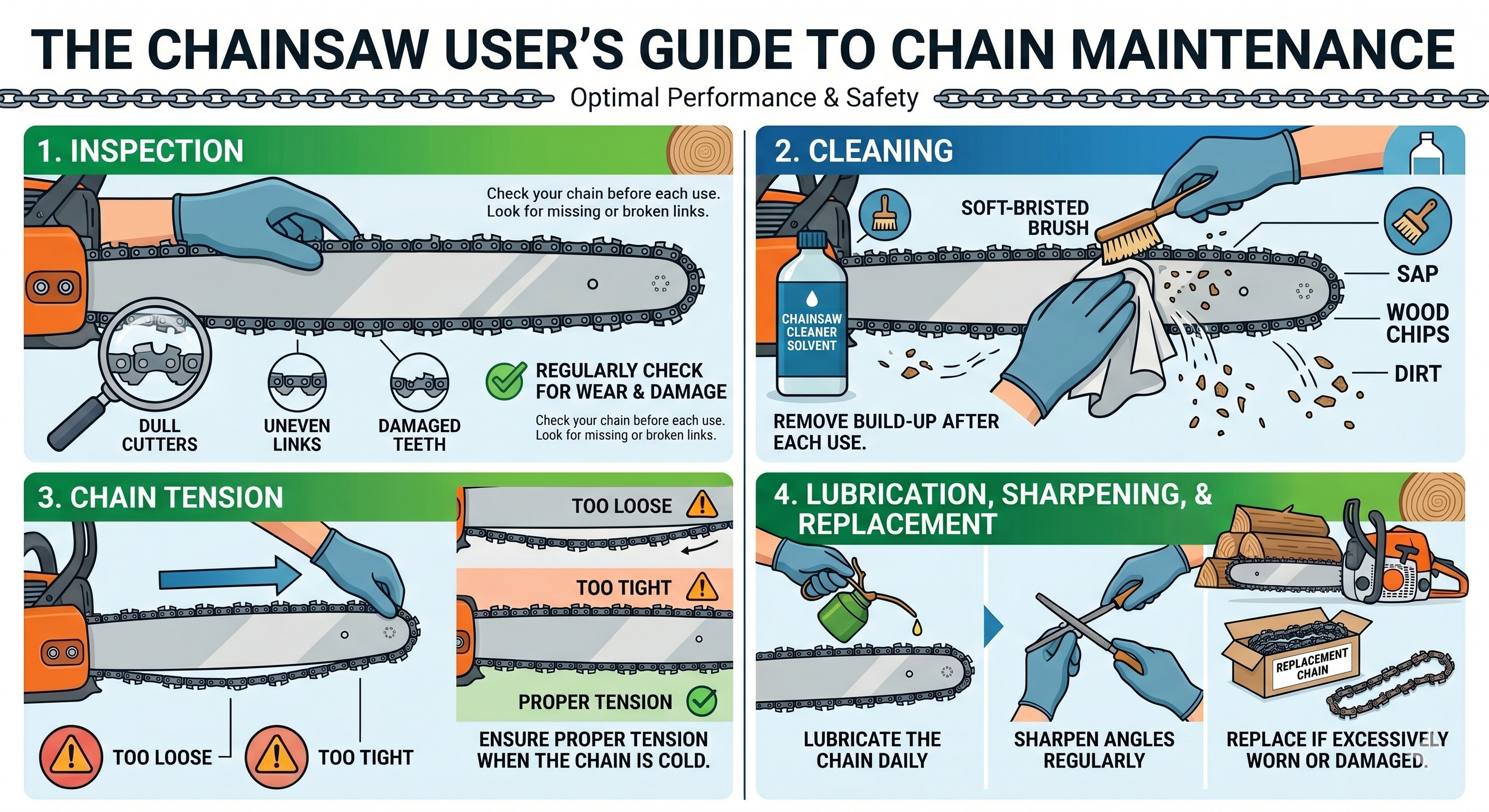
- Inspect the chainsaw chain for wear and damage regularly.
- Clean the chain after each use to prevent build-up.
- Ensure proper chain tension before starting your saw.
- Lubricate the chain as instructed by the manufacturer.
- Sharpen the chain angles according to specifications.
- Replace the chain if it’s excessively worn or damaged.
Inspection
Regular inspection of your chainsaw chain is crucial for both safety and performance. Look for signs of wear, such as dull cutters, uneven links, or damaged teeth. A good rule of thumb is to check your chain for damage before each use. If you notice any missing or broken links, it’s time for a replacement.
Cleaning
After each use, take a few moments to clean your chainsaw chain. Residue from the wood, sap, and dirt can build up on the chain and cause deterioration. Use a soft brush and a solvent specifically designed for chainsaw maintenance to remove any debris. This not only prolongs the life of your chain but also helps maintain cutting efficiency.
Chain Tension
Proper chain tension is vital for effective cutting. A chain that is too loose may jump off the bar, while one that is too tight can lead to premature wear or even failure. To check tension, you should ideally do it when the chain is cold. Pull the chain away from the bar to confirm that it stays in place but can also be moved slightly. Refer to your manufacturer’s guidelines for specific tensioning instructions.

Lubrication
Keeping your chainsaw chain lubricated is essential for reducing friction and heat during operation. Most chainsaws have an automatic lubrication system, but it’s vital to ensure it’s functioning correctly. Check the oil level before each use, and consider using bar and chain oil that is specifically designed for chainsaws. This will keep your chain running smoothly and can prevent overheating.
Sharpening
Sharpening your chainsaw chain is crucial to maintaining its cutting efficiency. The depth gauge and cutter angles must be accurately maintained for optimal performance. Filing angle can significantly affect cutting speed; typically, you want to achieve a 30-degree angle for the side of the cutter and a suitable depth gauge height. Using precise tools like a sharpening guide can help ensure consistency in angle and depth. If you are looking for effective sharpening tools, consider visiting KonKell Chainsaw Sharpeners for a variety of options.
Replacement Decision Points
When do you know it’s time to replace your chainsaw chain? There are several key indicators:
- If your cutters are less than a quarter of their original height, it’s time for a new chain.
- If you notice frequent kicking back or difficulty in cutting, it might be a sign of chain failure.
- Excessive wear on the drive links can compromise the chain’s ability to stay on the bar, necessitating a replacement.
Common mistakes
- Ignoring regular inspections: Failing to inspect your chain regularly can lead to safety hazards.
- Neglecting to clean: A dirty chain can hinder performance and lead to more significant issues.
- Incorrect tension: Either too tight or too loose can lead to disastrous outcomes.
- Not sharpening properly: Failing to maintain correct angles can decrease cutting efficiency and increase wear.
FAQ
Q: How often should I sharpen my chainsaw chain?
A: It typically depends on usage, but a good rule is to sharpen after every five tanks of gas.
Q: What tools do I need for basic chainsaw maintenance?
A: Essential tools include a file, depth gauge tool, wrench, and cleaning brush.
Q: Can I use regular oil for my chainsaw chain?
A: It’s recommended to use bar and chain oil specifically designed for chainsaws for the best results.
Q: How can I prevent my chain from getting dull quickly?
A: Maintain proper chain tension, lubrication, and avoid cutting dirty or hard materials.
Source note
For more insights on chainsaw maintenance, be sure to check out the video titled Quick Guide to Tension a Chain from Husqvarna USA.
EQUIP YOURSELF FOR THE JOB
Don't let dull tools slow down your workflow. Experience the precision of KonKell chainsaw sharpeners.
View Sharpening Kits construction