Chainsaw chain angle guide
This guide is designed for both novice and seasoned chainsaw users who need to maintain their equipment effectively. Understanding chainsaw chain angles, sharpening techniques, and overall maintenance can significantly enhance your cutting efficiency and prolong the life of your chainsaw.
Quick checklist
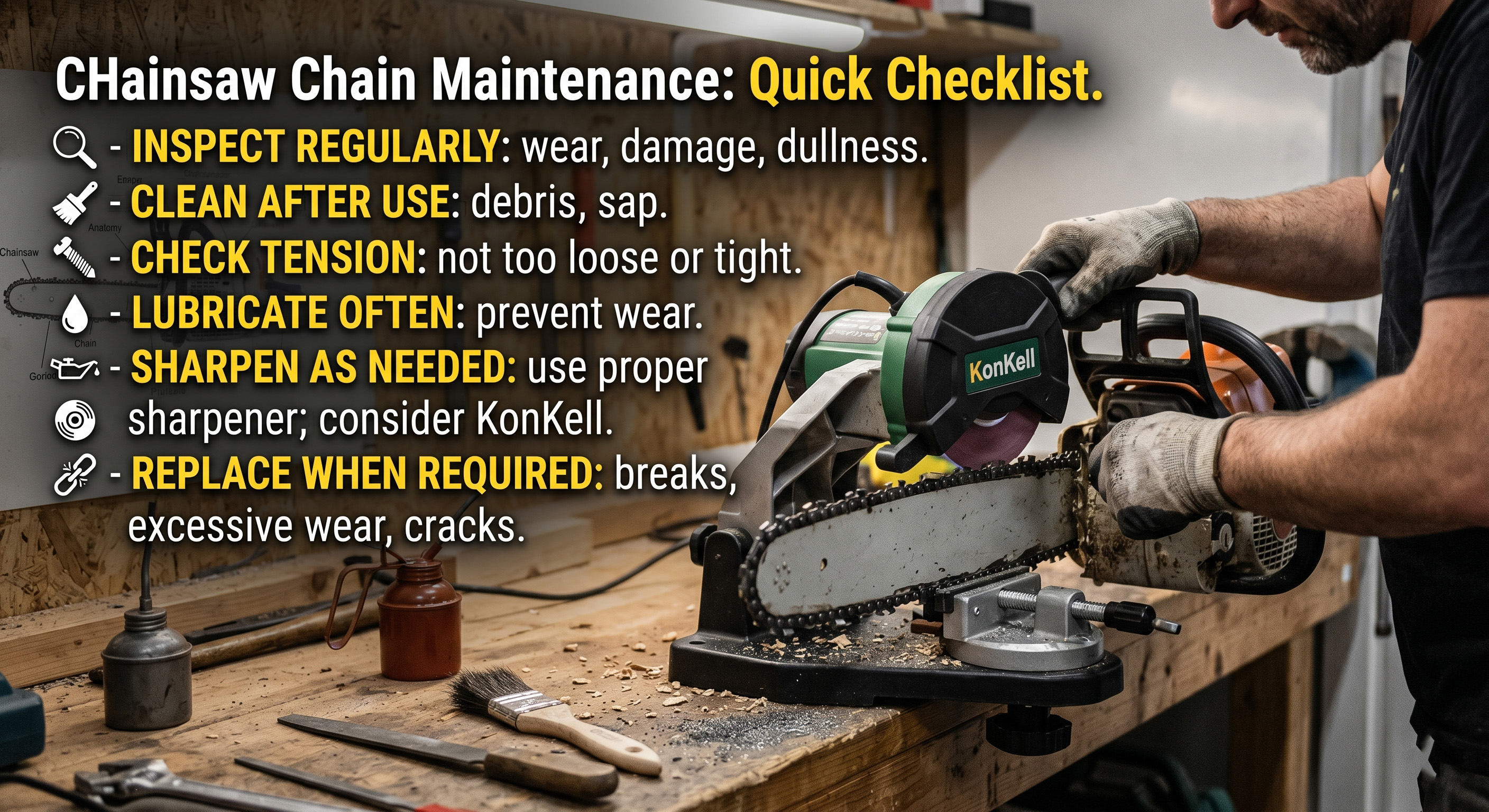
- Inspect the chainsaw chain and bar for damage.
- Clean the chain and bar regularly.
- Check and adjust chain tension before and after each use.
- Lubricate the chain frequently during operation.
- Sharpen the chain at the correct filing angle and maintain the depth gauge.
- Replace the chain if it’s excessively worn or damaged.
Inspection
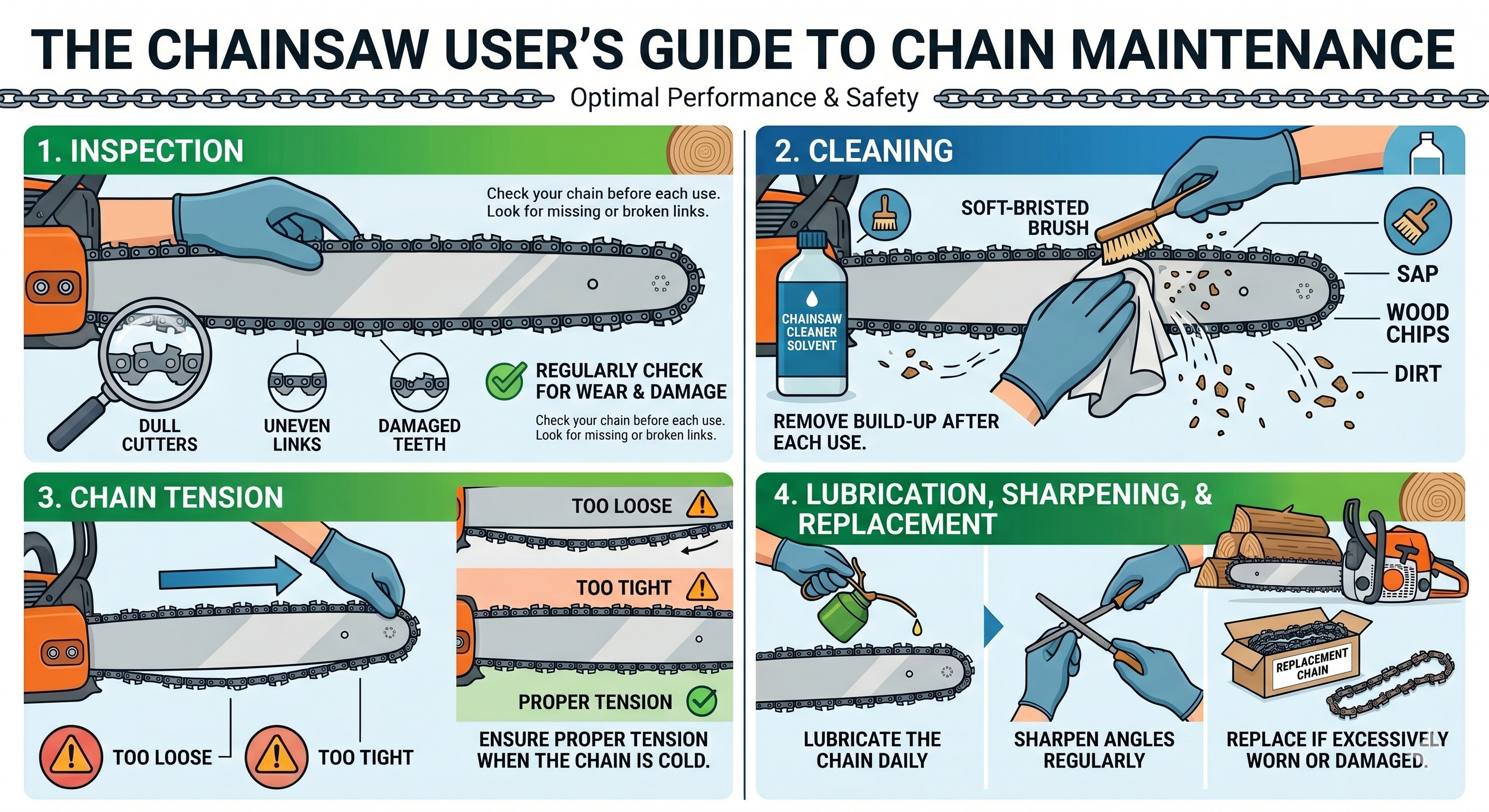
Before every use, inspect your chainsaw chain for any signs of wear, damage, or dullness. Look for broken or bent teeth on the cutters, as well as any damage to the depth gauges. Additionally, check the guide bar for any signs of wear, such as grooves or bends. Regular inspections can help you catch minor issues before they escalate into significant problems.
Cleaning
Keeping your chain clean is essential for optimal performance. After each use, remove any debris or wood chips that may be lodged in the chain or bar. A clean chainsaw not only performs better but also reduces friction and wear on components. Use a wire brush to clean the teeth and depth gauges carefully. For more thorough cleaning, consider using a degreaser.
Chain tension
Proper chain tension is crucial for both performance and safety. A chain that is too loose can derail, while one that is too tight can cause excess wear on the sprockets and the guide bar. Check the chain tension regularly, especially before starting work. Adjust the tension based on your chainsaw’s specifications, and remember to recheck it after a significant amount of cutting.
Lubrication
Regular lubrication helps keep your chainsaw running efficiently. Most chains require oil to reduce friction, heat, and wear. We recommend checking the oil reservoir before each use and ensuring that the automatic oiling system is functioning correctly. Remember that the more you cut, the more often you’ll need to check the oil level.
Sharpening
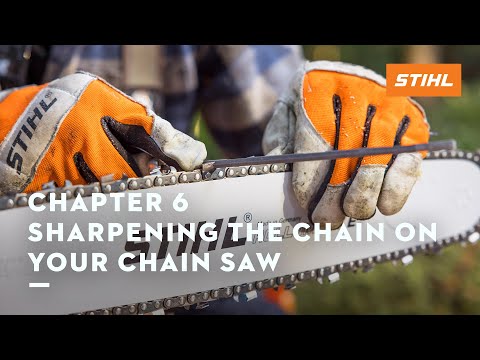
Sharpening your chainsaw chain is one of the most important aspects of chainsaw maintenance. Understanding the correct filing angle is crucial to achieving a consistent cut. Often, the recommended angle varies by manufacturer; however, a typical angle ranges between 25° to 35° for the cutters. Maintaining cutter consistency ensures that each tooth is evenly sharpened, leading to smoother cuts and reduced strain on the motor.
Investing in a reliable sharpening tool can effectively streamline this process. For precise and efficient chainsaw sharpening, consider using KonKell Chainsaw Sharpeners, which offer various tools designed for different chainsaw types.
Be sure to check the depth gauges regularly, as improperly set gauges can lead to subpar cutting performance and increased wear on the chain. The depth gauge should match the manufacturer’s specifications to ensure optimal cutting depth.
Replacement decision points
Often, chainsaw chains will reach a point where sharpening is no longer feasible. Signs that a chain should be replaced include:
- Excessive wear on the teeth, leading to reduced cutting efficiency.
- Visible damage, such as cracks or bent cutters.
- Inability to hold tension, indicating significant wear on the chain links.
When unsure, consulting the user manual or seeking professional advice is always wise.
Common mistakes
- Neglecting to inspect the chain before use.
- Failing to clean the chain and guide bar after every use.
- Setting improper chain tension.
- Ignoring dull chain links, leading to increased wear on the equipment.
FAQ
Q1: How often should I sharpen my chainsaw chain?
A1: It depends on usage, but a good rule of thumb is to sharpen after every 3-5 hours of cutting.
Q2: What is the ideal filing angle for a chainsaw chain?
A2: Most chainsaws require a filing angle between 25° and 35°, but always refer to your owner’s manual for specifics.
Q3: How do I know if my chainsaw chain needs replacement?
A3: Signs include visible damage, an inability to hold tension, or excessive dullness after sharpening.
Q4: Can I use any chain oil for my chainsaw?
A4: It’s best to use oil recommended by the chainsaw manufacturer to ensure optimal lubrication and prevent damage.
Source note
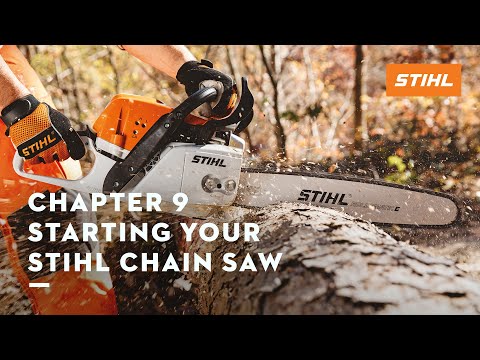
For additional reference on maintaining your chainsaw, check out the Chapter 9: Starting Your STIHL Chain Saw | STIHL Tutorial.
EQUIP YOURSELF FOR THE JOB
Don't let dull tools slow down your workflow. Experience the precision of KonKell chainsaw sharpeners.
View Sharpening Kits construction