menu
KONKELL CHAINSAW SHARPENER
Category Archive

Posts

When to Replace a Chainsaw Sharpener Grinding Wheel

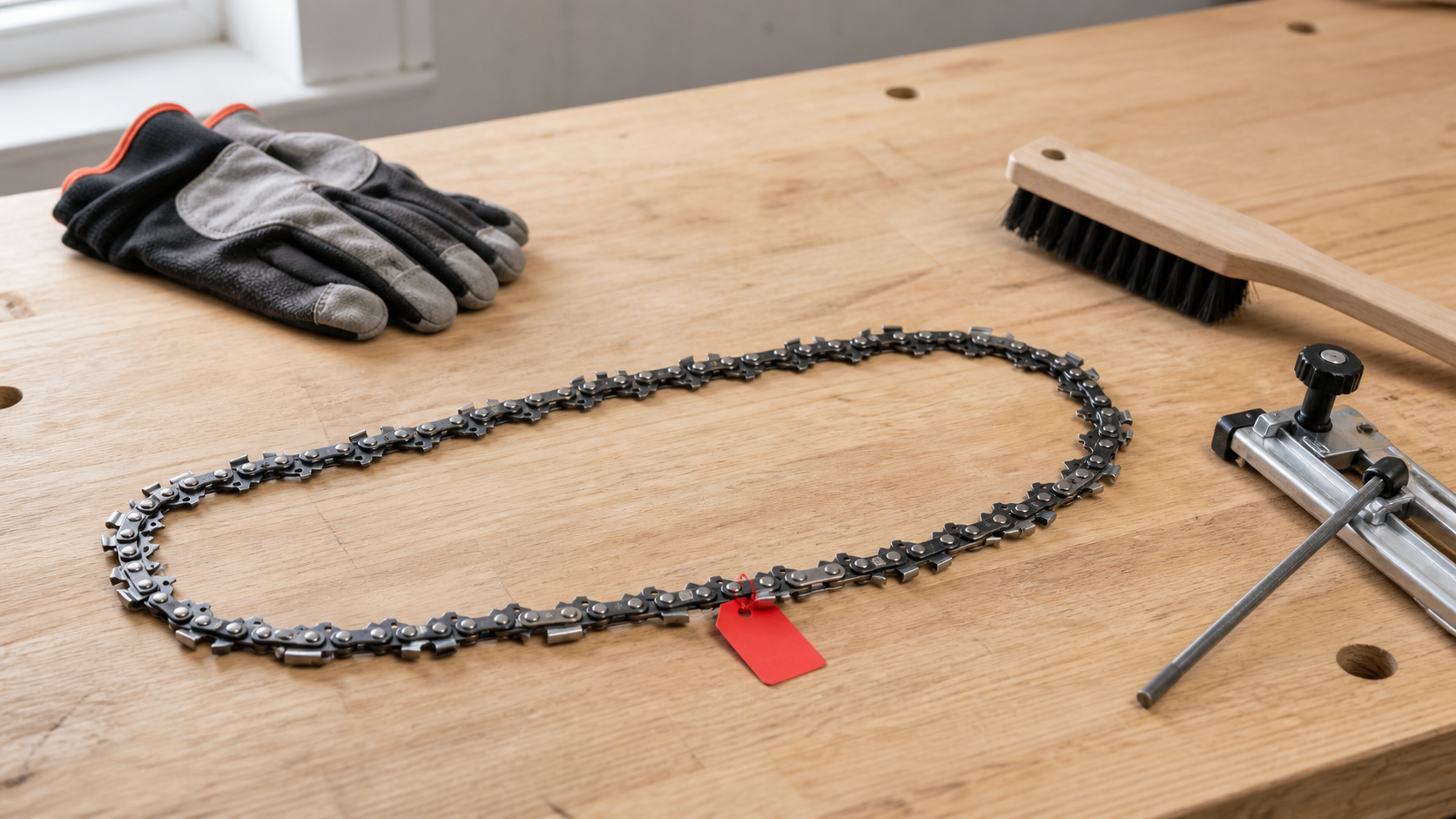
A chainsaw sharpener grinding wheel should be replaced when it is cracked, chipped, wobbling, vibrating abnormally, or too worn to hold the profile required by the grinder manual. A wheel that is merely loaded with metal or slightly out of shape may only need dressing. The distinction matters: dressing exposes fresh abrasive and restores the working edge, but it cannot repair structural damage or recover material that is already gone.

Read More arrow_forward

Chainsaw Making Sawdust After Sharpening: What to Check First

Chainsaw Making Sawdust After Sharpening: What to Check First A chainsaw that makes fine dust after sharpening is usually not taking a clean bite, even if the cutter tips feel sharp to your finger. A good chain should pull itself into the wood and throw recognizable chips. Powdery dust means something in the cutter edge, depth gauge, bar setup, or cutting conditions is holding the chain back. This guide is for homeowners, firewood cutters, and small-shop users who sharpen their own chains and need a practical bench check before removing more metal.

Read More arrow_forward

Bench Mounted Chainsaw Sharpener Setup: A Practical First-Chain Checklist

Bench Mounted Chainsaw Sharpener Setup: A Practical First-Chain Checklist A bench mounted chainsaw sharpener is only accurate after the bench, clamp, chain stop, angle reference, and grinding contact are all working together. If the tool rocks, the chain sits crooked, or the first cutter is rushed, the whole chain can come off uneven even though the sharpener looks powerful enough. This guide is for homeowners, firewood cutters, and small workshops setting up an electric chainsaw chain sharpener. The goal is not to grind fast. The goal is to make the first cutter correct, then repeat that setup across the chain.

Read More arrow_forward

Chainsaw Sharpener Maintenance Guide: Keep Every Cutter Consistent

Chainsaw Sharpener Maintenance Guide: Keep Every Cutter Consistent A chainsaw sharpener is only useful if it repeats the same result from cutter to cutter. When the clamp gets dirty, the guide wears, the wheel loads up, or the file sits at the wrong height, the chain can look sharp but still cut slowly, pull to one side, or feel rough in the wood. This guide is for homeowners, firewood cutters, and light professional users who already own a sharpener or are comparing one. The goal is simple: keep your sharpening setup accurate enough that every chain comes off the bench ready to cut cleanly.

Read More arrow_forward

How to Choose a Chainsaw Sharpener for Cleaner, Faster Cuts

How to Choose a Chainsaw Sharpener for Cleaner, Faster Cuts A sharp chain is not a nice-to-have. It is the difference between a saw that pulls itself through wood and one that burns fuel, makes dust, wanders in the cut, and wears out the bar. This guide is for homeowners, firewood cutters, landowners, and light professional users who want to choose a chainsaw sharpener without guessing. The right sharpener depends on how many chains you maintain, how consistent you need each cutter to be, where you sharpen, and how comfortable you are with hand filing. A good choice saves time, protects the chain, and makes every cut feel more controlled.

Read More arrow_forward

Chainsaw Kickback Safety Tips for Beginners

Chainsaw Kickback Safety Tips for Beginners Chainsaws are powerful tools that can make yard work and timber management much easier, but they come with inherent risks, especially for new users. One of the most dangerous risks associated with chainsaw use is kickback—a sudden, uncontrolled backward motion of the saw when the tip of the bar (the bar nose) strikes an object or the wood being cut. This guide offers essential safety tips tailored for beginners, focusing on practical habits and maintenance to manage the risk of kickback effectively.

Read More arrow_forward

Chainsaw Chain Angle Guide: What to Check Before Filing

Chainsaw Chain Angle Guide: What to Check Before Filing If you’re a chainsaw user who’s confused by the intricacies of chain angles, depth gauges, and the markings on the chain itself, you’re not alone. This guide is tailored for both novice and experienced users who want to understand how to properly set up and maintain their chainsaw chain angles for optimal performance. By getting the angles and gauges right, you can ensure sharper cuts, greater efficiency, and reduced wear on your tools.

Read More arrow_forward

Chainsaw Chain Tension Guide for Safer Cutting

Chainsaw Chain Tension Guide for Safer Cutting Welcome to our Chainsaw Chain Tension Guide! This guide is specifically tailored for beginners in chainsaw operation who want to learn how to recognize loose or overtightened chains and safely adjust tension. Proper chain tension is vital for effective cutting and overall chainsaw performance, ensuring both safety and efficiency. Pre-Cutting Checks for Chain Tension Before you begin cutting, conducting a thorough inspection of your chainsaw’s chain tension is crucial. Follow these steps to ensure you’re set for safe operation:

Read More arrow_forward

Chainsaw File Size Guide: How to Match the Chain

Chainsaw File Size Guide: How to Match the Chain This guide is designed for DIY users who are looking to buy chainsaw files or replace their sharpening kits. If you’ve ever wondered how to identify the correct round file size to match your chainsaw chain type without guessing, you’re in the right place. Understanding the right file size is crucial for efficient sharpening and maintaining optimal performance of your chainsaw.

Read More arrow_forward

Chainsaw Bar Oil Troubleshooting: Why the Chain Runs Dry

Chainsaw Bar Oil Troubleshooting: Why the Chain Runs Dry If you’re a chainsaw user experiencing smoke, dry chains, or rapid bar wear, this guide is tailored for you. It addresses the common issue of inadequate chain lubrication and provides actionable steps to diagnose and remedy the problem before significant damage occurs. By the end, you’ll be equipped to ensure your chainsaw operates smoothly and efficiently. Symptoms of Insufficient Chain Lubrication When your chainsaw struggles to maintain proper lubrication, several symptoms may arise. Here are the telltale signs that indicate you might have a chainsaw bar oil issue:

Read More arrow_forward

Chainsaw Depth Gauge Guide: What Rakers Do

Chainsaw Depth Gauge Guide: What Rakers Do This guide is for chainsaw users who regularly sharpen their cutters but might overlook the importance of depth gauges, also known as rakers. Understanding how these components affect your chainsaw’s performance can improve your cutting efficiency and safety. We’ll explore what depth gauges do, why their settings are crucial, how to check them, signs of improper setup, and how to adjust them cautiously.

Read More arrow_forward

Chainsaw Sharpening Mistakes

Chainsaw Sharpening Mistakes If you’re struggling with poor cutting performance after sharpening your chainsaw, you’re not alone. Many users encounter issues that stem from common sharpening mistakes. This guide is designed for those looking to improve their chainsaw’s effectiveness and safety by pinpointing and correcting these errors. 1. Wrong Angle Symptom: Your chainsaw cuts ineffectively, producing burn marks or excessive sawdust. Why It Hurts Cutting Performance: Using the incorrect sharpening angle on your chain can significantly hinder its cutting ability. Each cutter is designed to operate best at a specific angle. If the angle is too steep or too shallow, the chain won’t engage the wood properly.

Read More arrow_forward
home Home shopping_cart Shop menu_book Guides person Account